Lapponian Herder vs Norwegian Lundehund
Side-by-side comparison across all 14 AKC trait ratings, with a clear verdict on which breed fits which kind of household.
Not sure which breed fits your life?
Answer five questions about your home, your schedule, and your tolerance for shedding. We’ll match you to your top three breeds from over 200.
Lapponian Herder vs Norwegian Lundehund
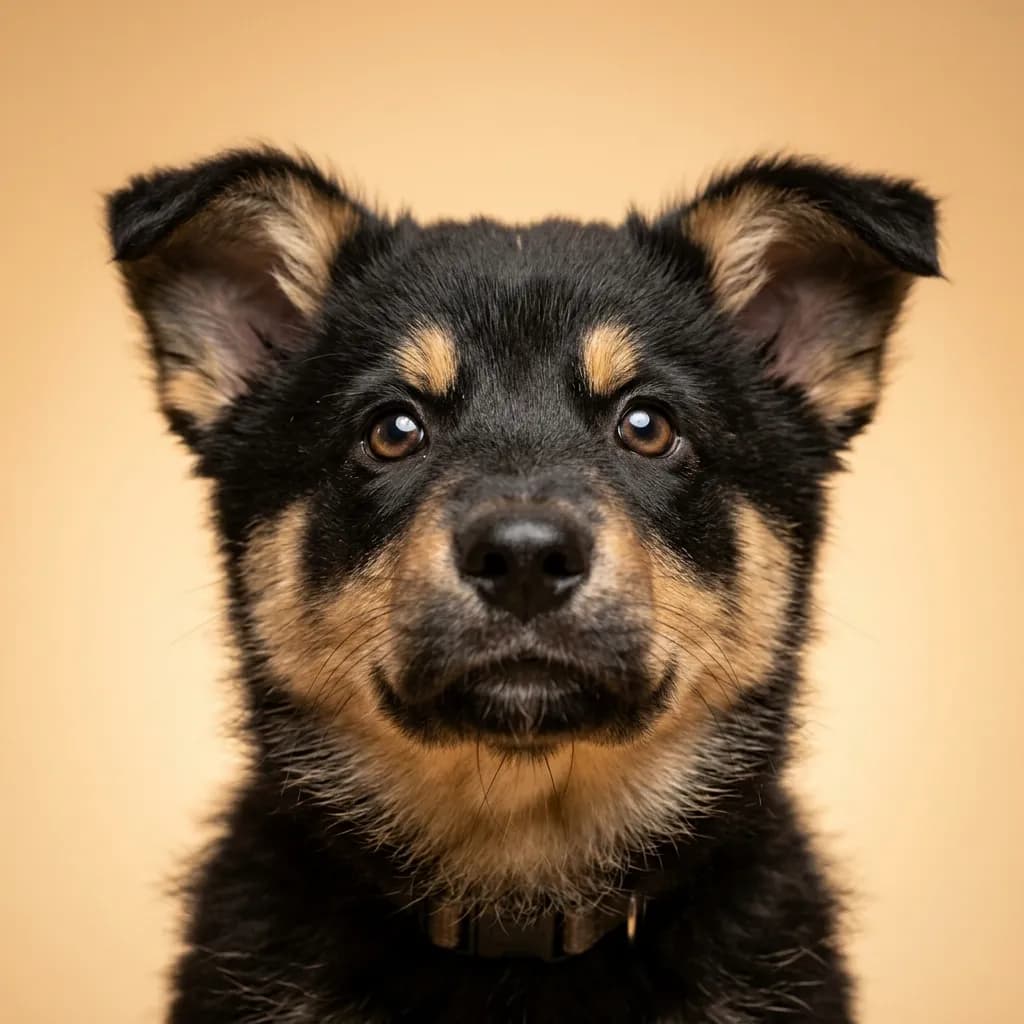
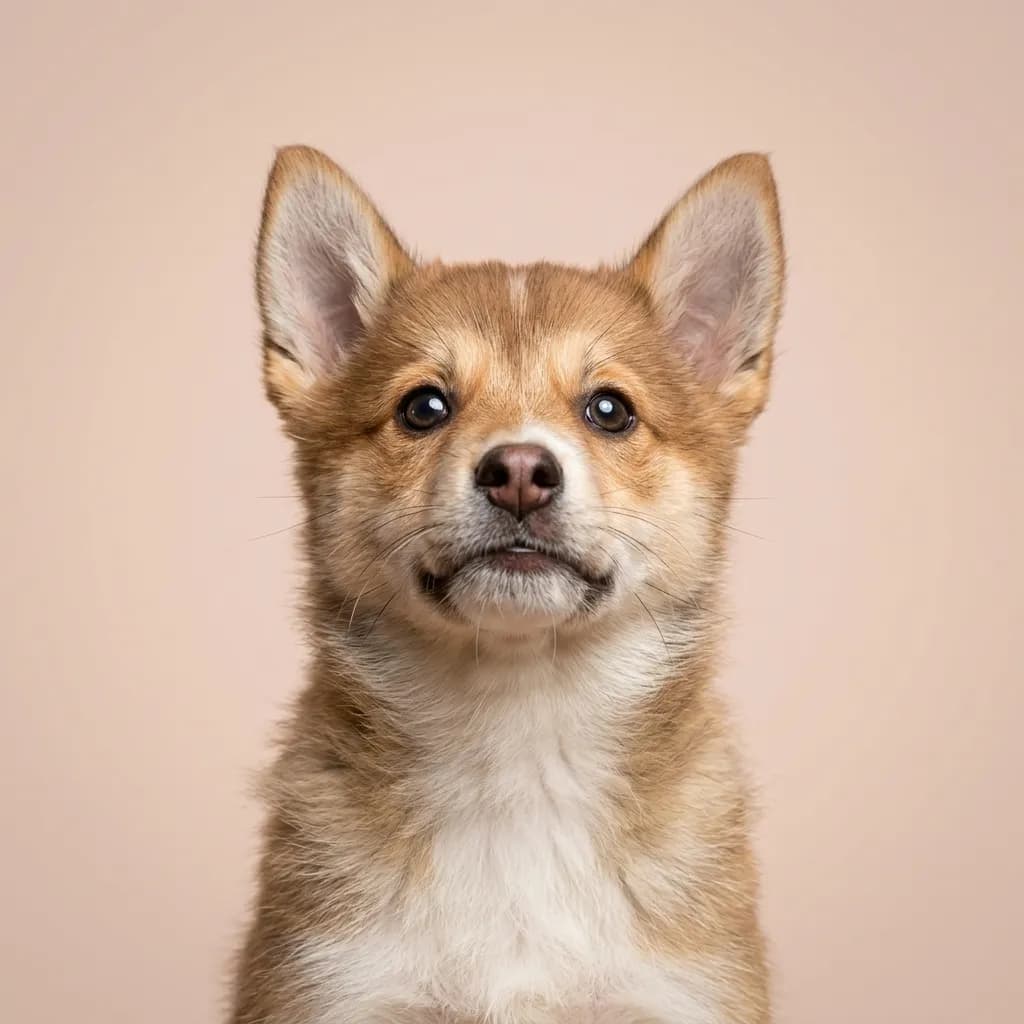
You’re not comparing these two because they look alike. they don’t. You’re here because both are rare Nordic breeds with thick coats and jobs nobody talks about. But that’s where the similarity ends. The Lapponian Herder is a reindeer wrangler from Finnish Lapland, built like a mid-sized athlete at 70 pounds, built to work 12-hour days in -30°F weather. It's friendly, sharp, and thrives on movement. If you hike, ski, or need a dog that can keep up with an active family in the mountains, this one fits. But it’s not for city life. It needs space, cold air, and a job. otherwise, it’ll find its own, like redecorating your couch with its teeth. The Norwegian Lundehund is something else entirely. At 20-30 pounds, it’s a biological oddity: six toes per foot, ears that fold shut, a neck that bends backward. It was engineered to squeeze into cliffside crevices to catch puffins. It’s alert and loyal, but not eager to please in the way a Herder is. Training is a negotiation, not a command. It’s more independent, more fragile. especially in the gut. Lundehund syndrome means strict diets, vet vigilance, and a reality check: this dog isn’t for casual owners. Choose the Herder if you want a biddable, energetic partner for outdoor life in cold climates. Choose the Lundehund only if you’re experienced, fascinated by rare dogs, and ready for a lifelong health management plan. Here’s the real talk: the Lundehund isn’t just rare because it’s old. It’s rare because it’s hard. The Herder isn’t easy either, but at least it wants to work with you. The Lundehund? It might just decide to do its own thing. on a cliff, in the rain, like its ancestors did.
Trait-by-trait
Higher bar = more of that trait. Shedding, barking, drooling, grooming flipped for readability.Where they diverge
Choose the Lapponian Herder if…
- active families
- cold climates
- herding and working dog enthusiasts
- You value affectionate w/ family — Lapponian Herder scores noticeably higher.
Choose the Norwegian Lundehund if…
- Experienced dog owners
- Those interested in rare breeds
- Active families