Leonberger vs Siberian Husky
Side-by-side comparison across all 14 AKC trait ratings, with a clear verdict on which breed fits which kind of household.
Not sure which breed fits your life?
Answer five questions about your home, your schedule, and your tolerance for shedding. We’ll match you to your top three breeds from over 200.
Leonberger vs Siberian Husky
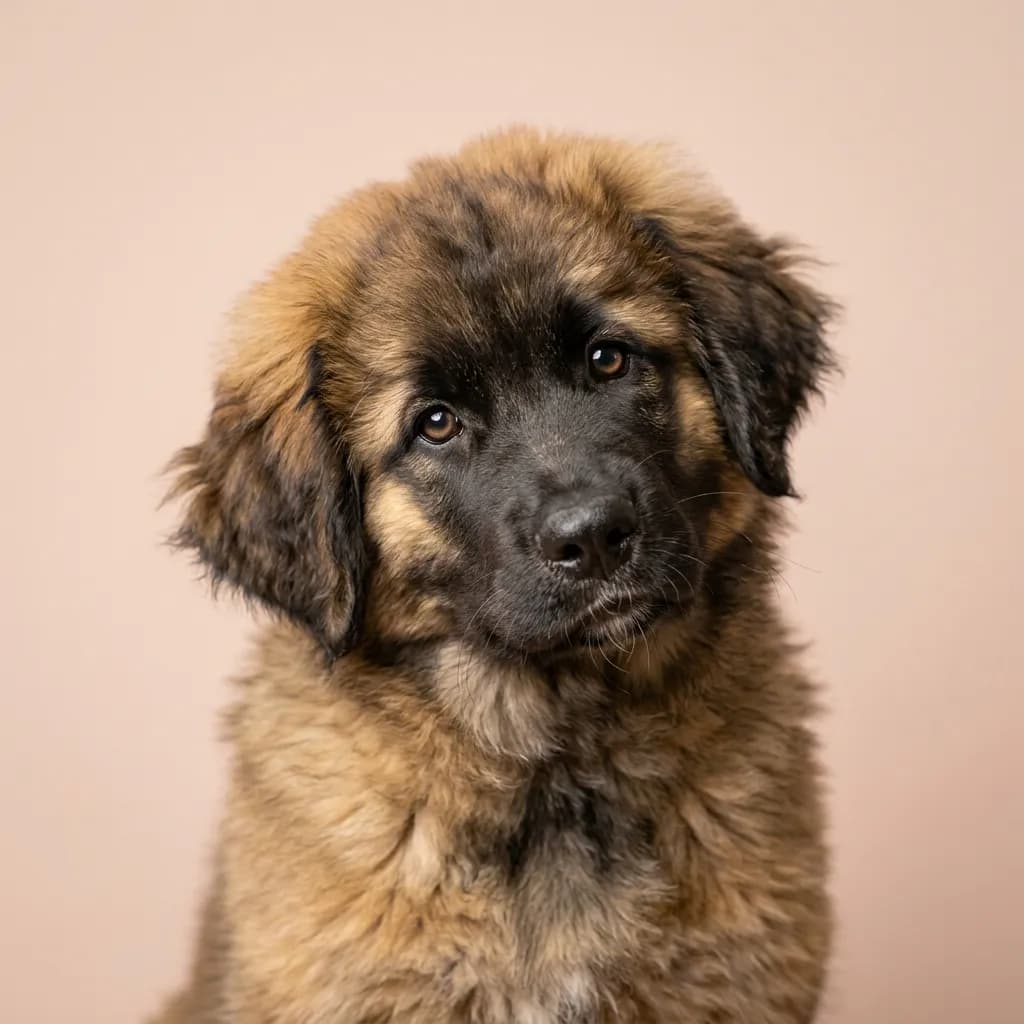
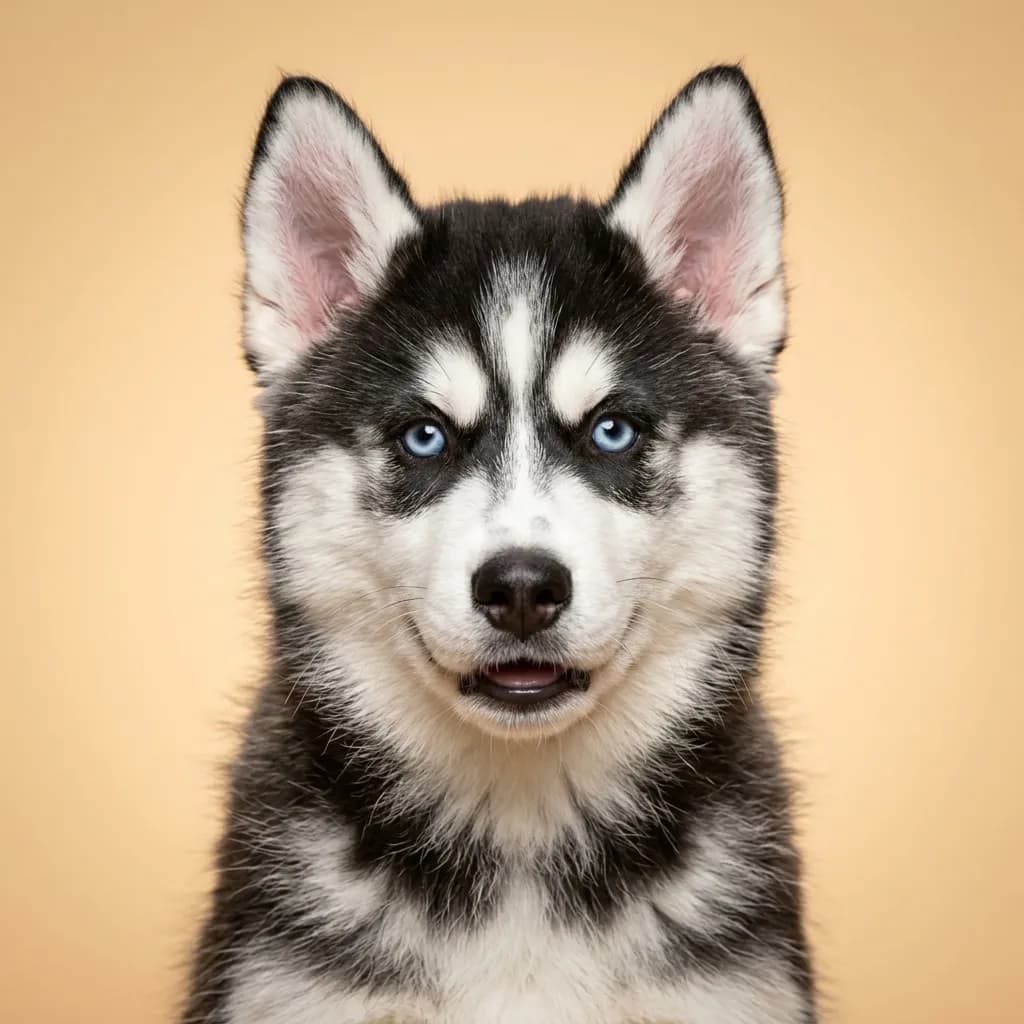
People compare Leonbergers and Siberian Huskies because they’re both big, fluffy, and look like they belong on a mountain or in a fairy tale. But beyond the fluff, they’re built for entirely different lives. One’s a gentle giant made for calm companionship; the other’s a high-octane athlete born to run. The Leonberger is the dog you want if your dream is a calm, affectionate presence beside you on a lakeside dock or ambling through a large yard. At 90 to 170 pounds, they’re massive but move with a quiet grace. They’re eager to please, easy to train, and adore kids, but they eat like teenagers, drool on your sweaters, and need space. Their shorter lifespan. around 9 years. is a gut punch, and you’ll be vigilant about bloat and genetic conditions. This isn’t a dog for tight budgets or tiny homes. The Siberian Husky, meanwhile, thrives on motion. They’re half the weight but twice the energy. You’ll need daily runs, dog sports, or at least a fenced acre to contain their wanderlust. They’ll talk to you. in howls, “woo-woos,” and expressive eyes. but good luck keeping them off-leash. They’re escape artists with a strong prey drive. And yes, you’ll find dog hair in your coffee, but they’re hardier and live longer, often into their early teens. Here’s the real talk: the Husky might look like a wolf, but the Leonberger feels like a living teddy bear with a heart the size of Alaska. If you want a dog that leans into you, calms the room, and tolerates chaos with dignity, go Leonberger. If you want a partner in adventure who’ll pull you into winter hikes and never slow down, the Husky’s your match. Just don’t pick either if you hate vacuuming.
Trait-by-trait
Higher bar = more of that trait. Shedding, barking, drooling, grooming flipped for readability.Where they diverge
Choose the Leonberger if…
- Families with children
- Owners with large homes
- Water and outdoor enthusiasts
- You value watchdog / protective — Leonberger scores noticeably higher.
Choose the Siberian Husky if…
- Active owners who exercise daily
- Cold climate households
- Families with children
- You value good with other dogs — Siberian Husky scores higher here.