Mastiff vs Schipperke
Side-by-side comparison across all 14 AKC trait ratings, with a clear verdict on which breed fits which kind of household.

Not sure which breed fits your life?
Answer five questions about your home, your schedule, and your tolerance for shedding. We’ll match you to your top three breeds from over 200.
Mastiff vs Schipperke
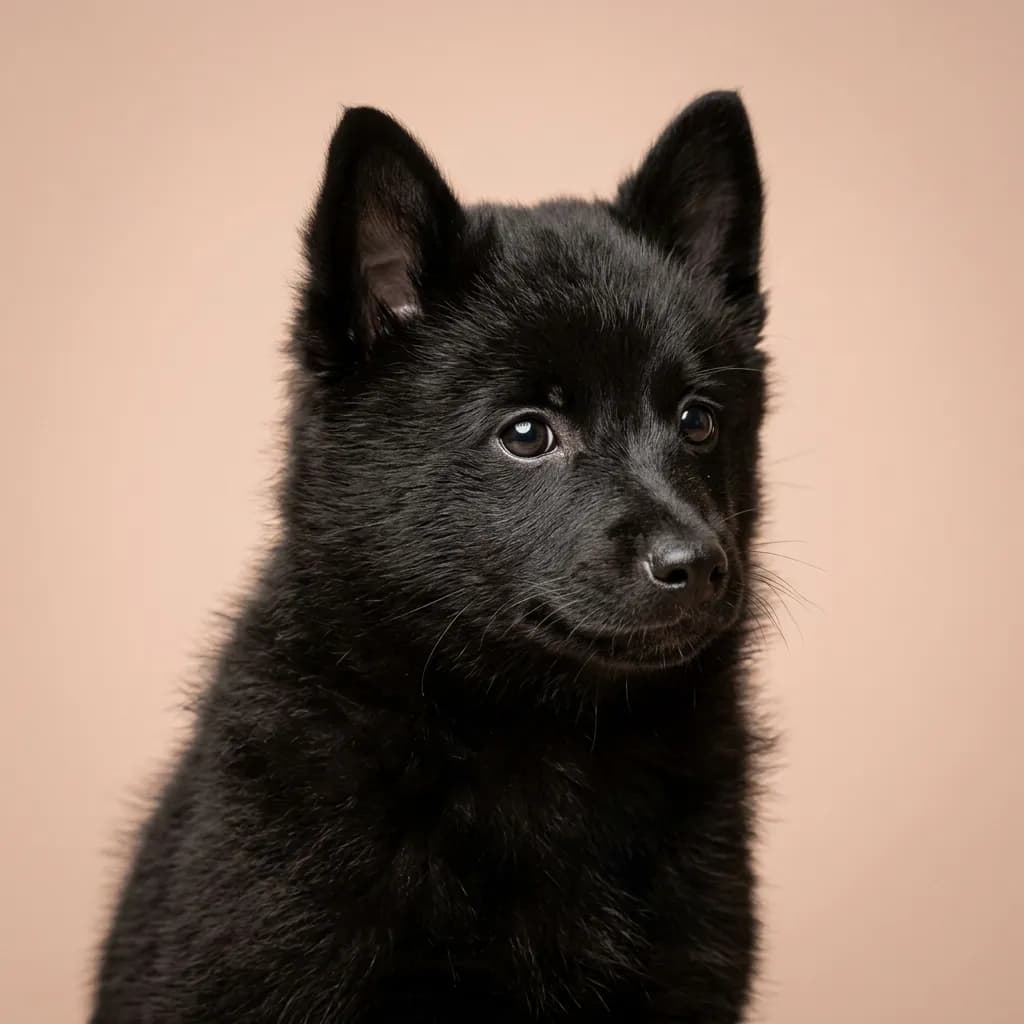
You’re probably not comparing a Mastiff and a Schipperke because they look alike. One’s a living ottoman with a heartbeat, the other a tiny, cape-wearing goblin built like a tank. But people do pit them against each other when they’re after something deeper: a loyal, alert companion that’s bold in spirit. The truth? These breeds are opposites in size, history, and daily logistics, but both carry a quiet confidence that feels almost human. The Mastiff is your 200-pound shadow. Calm, dignified, and surprisingly gentle with kids, it’s the kind of dog that turns strangers into nervous guests just by existing in the same room. It won’t bark much, but its presence alone says “think twice.” You need space, a solid floor, and a budget for $150 bags of food and higher-than-average vet bills. Bloat is a real threat, and 6 to 10 years isn’t long enough. The Schipperke, meanwhile, is all fire in a small frame. It’s fearless, curious, and will bark at a leaf blowing past the door. It was bred to guard barges and hunt rats, so it’s sharp, independent, and needs engagement. It’s affectionate but not always gentle. kids under 10 might overwhelm it. And while it’s small enough for a townhouse, don’t call it quiet or low-maintenance. Pick the Mastiff if you want a peaceful, massive guardian who’s a teddy bear at heart. Pick the Schipperke if you want a pint-sized watchdog with a Napoleon complex and endless energy. Here’s the real talk: the Mastiff’s silence is comforting, but its size means every health issue hits harder. The Schipperke’s lifespan is nearly double, but its bark and boldness can wear thin in close quarters. One will break your heart when it’s gone too soon. The other will drive you crazy for 14 years. Both will own you completely.
Trait-by-trait
Higher bar = more of that trait. Shedding, barking, drooling, grooming flipped for readability.Where they diverge
Choose the Mastiff if…
- Families with older children
- Experienced large-breed owners
- Those wanting a calm guardian
- You value drooling level — Mastiff scores noticeably higher.
Choose the Schipperke if…
- Active owners
- Those wanting a small but bold breed
- Suburban or rural settings
- You value barking level — Schipperke scores higher here.