Mastiff vs Siberian Husky
Side-by-side comparison across all 14 AKC trait ratings, with a clear verdict on which breed fits which kind of household.

Not sure which breed fits your life?
Answer five questions about your home, your schedule, and your tolerance for shedding. We’ll match you to your top three breeds from over 200.
Mastiff vs Siberian Husky
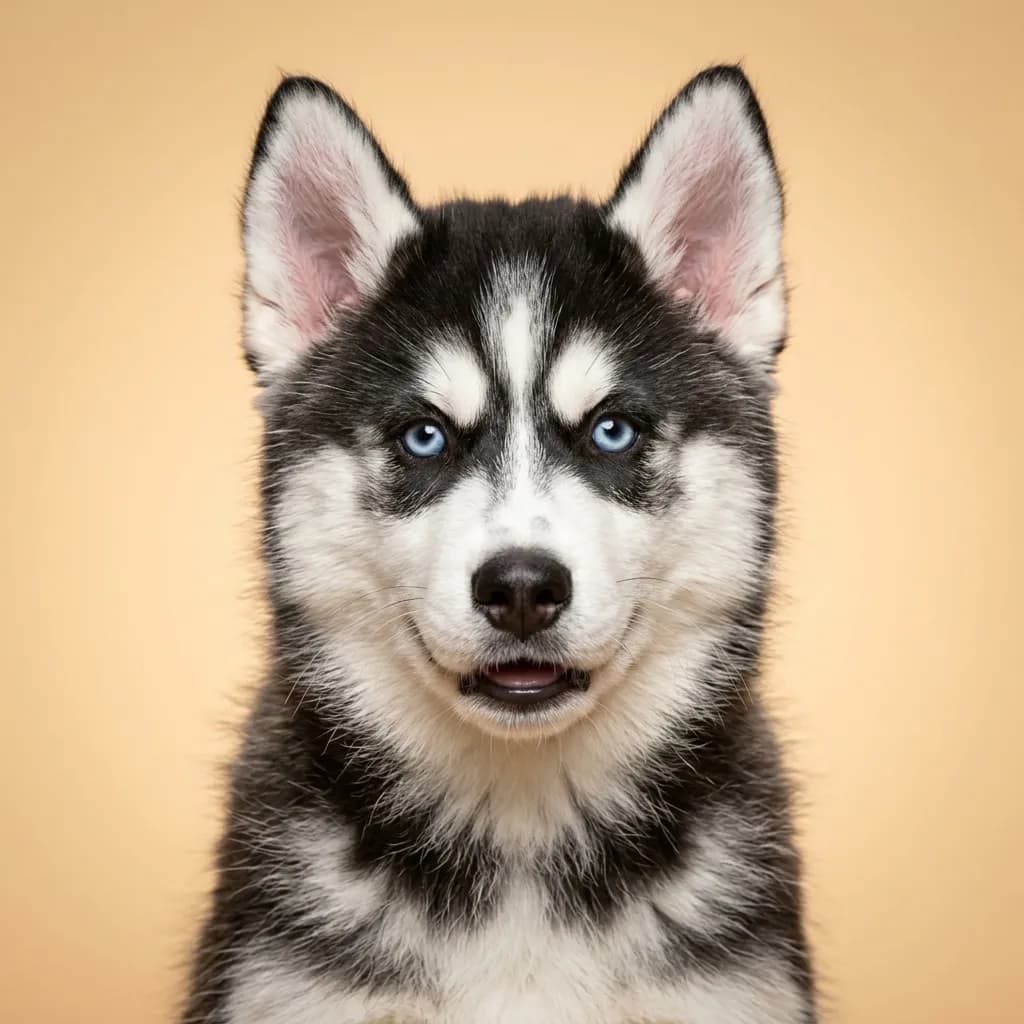
You’d never think people would compare a Mastiff and a Siberian Husky at first glance. one’s a mountain of calm, the other a tornado in fur. But I get why they do. Both are big presences, loyal to their people, and built for extreme roles. Folks are drawn to their striking looks and strong personalities, then end up weighing two totally different lifestyles. The Mastiff is your quiet giant. At over 150 pounds, he’s not so much walking as he is gently occupying space. He’ll greet you with a sigh and a head on your lap, content just to be near you. He’s not lazy, exactly. just deeply committed to low-key living. You’ll pay more in food and vet bills, yes, and you’ll worry about his heart or hips as he ages. But he’s steady, protective without being aggressive, and adores kids. You need space, strength to handle him, and the patience to manage a dog whose size alone complicates everything. The Husky? He’s built for motion. This dog was born to run 40 miles in -30° weather, and he’ll try to do it in your suburb if you let him. He’ll howl at sirens, escape fences, and drag you down the street grinning. He’s not stubborn out of defiance. he just has a job to do, and your leash isn’t part of it. But he’s also goofy, social, and thrives on daily adventure. Here’s the real insight: the Mastiff demands physical space and resources, but the Husky demands time and engagement. One will break your wallet, the other will break your routine. Pick the Mastiff if you want a calm, living statue with a heartbeat. Pick the Husky if you’re ready for a four-legged escape artist who’ll make every day feel like an expedition.
Trait-by-trait
Higher bar = more of that trait. Shedding, barking, drooling, grooming flipped for readability.Where they diverge
Choose the Mastiff if…
- Families with older children
- Experienced large-breed owners
- Those wanting a calm guardian
- You value watchdog / protective — Mastiff scores noticeably higher.
Choose the Siberian Husky if…
- Active owners who exercise daily
- Cold climate households
- Families with children
- You value barking level — Siberian Husky scores higher here.