Mountain Cur vs Otterhound
Side-by-side comparison across all 14 AKC trait ratings, with a clear verdict on which breed fits which kind of household.
Not sure which breed fits your life?
Answer five questions about your home, your schedule, and your tolerance for shedding. We’ll match you to your top three breeds from over 200.
Mountain Cur vs Otterhound
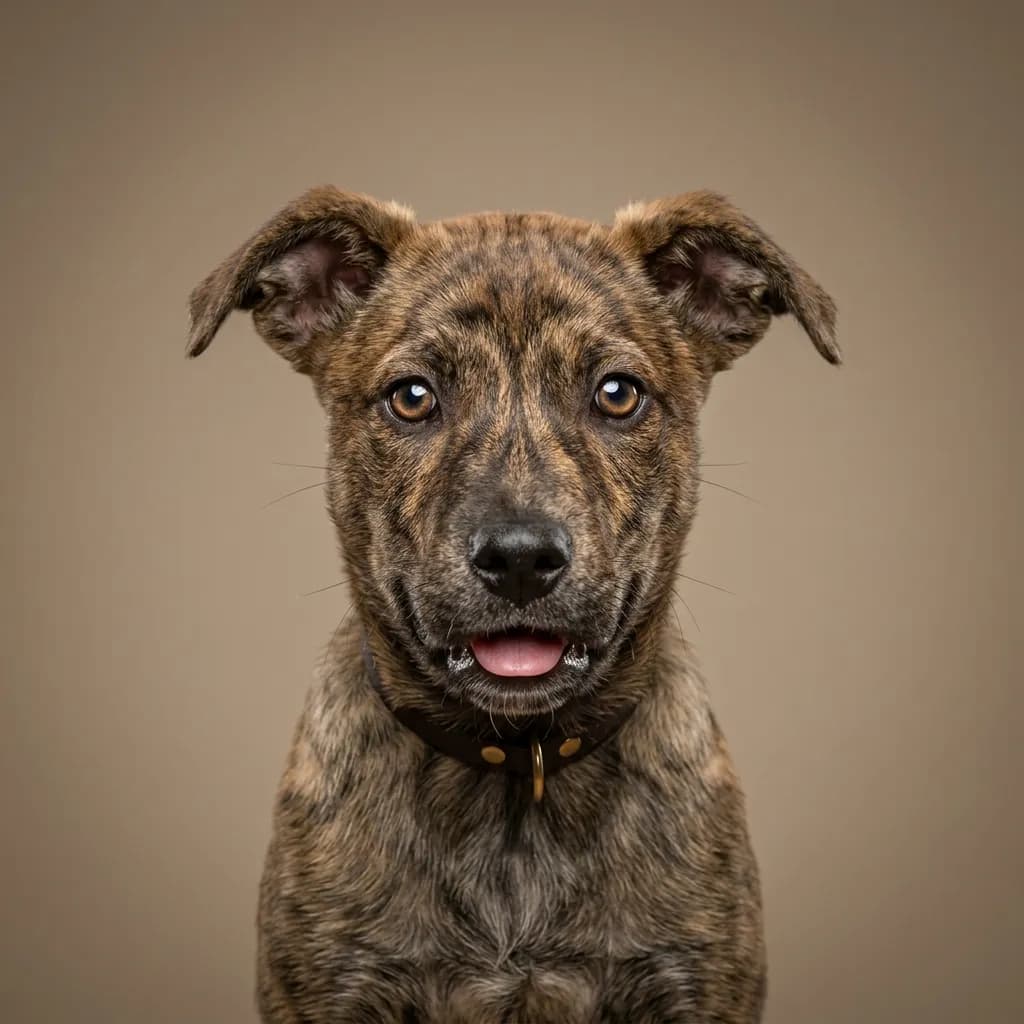
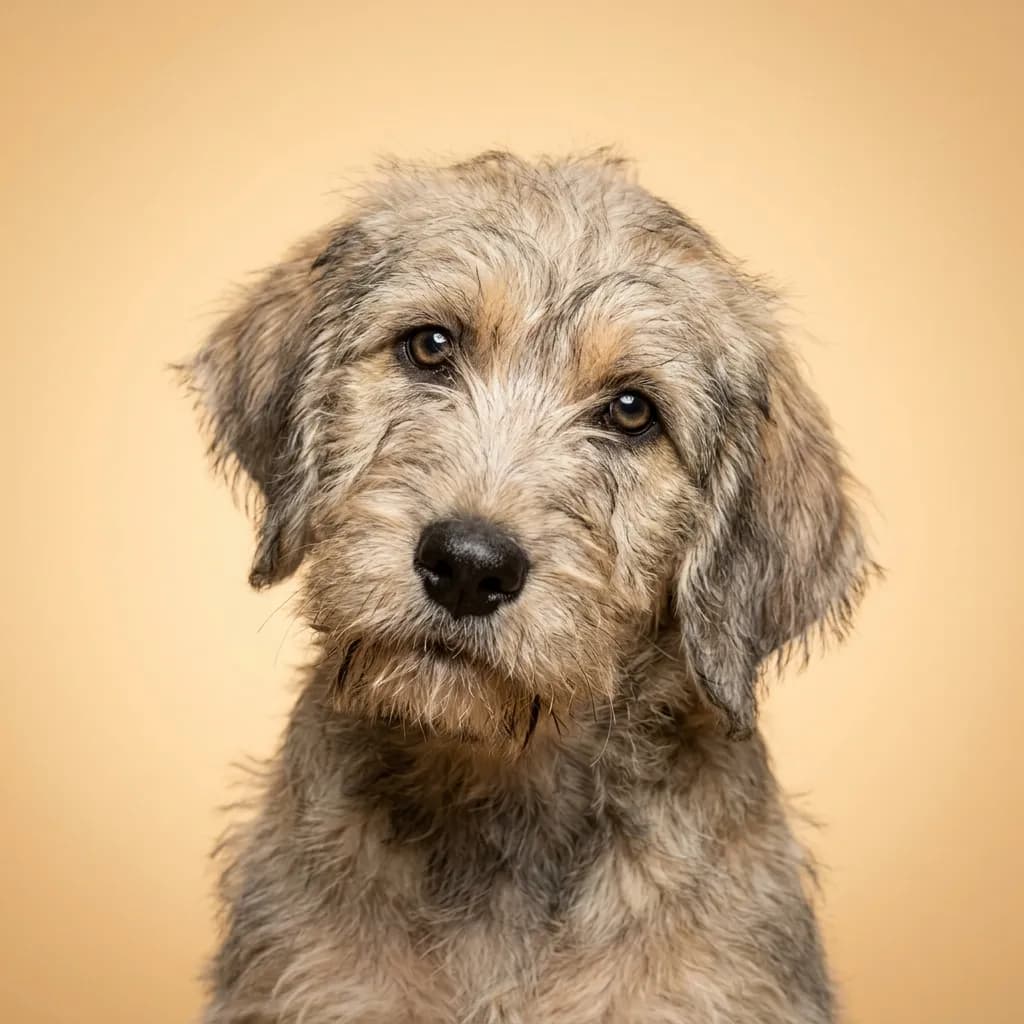
You’re probably comparing a Mountain Cur and an Otterhound because you need a rugged, outdoorsy dog with strong instincts and don’t mind a bit of dog smell or stubbornness. But that’s where the similarities end. One is a lean, lightning-fast Appalachian hunter built for tracking bear and bobcat through thick woods. The other is a shaggy, rare British relic built like a tank, bred to splash through rivers and bay at otters with a voice that carries for miles. The Mountain Cur is intense. At 30 to 60 pounds, it’s half the size of an Otterhound but twice as intense in focus. This dog lives to work. It’s suspicious of strangers, thrives in rural isolation, and needs a job. whether that’s trailing game, guarding livestock, or logging miles on a hike. You’ll need experience. This isn’t a dog you wing it with. It bonds fiercely but on its terms, and its energy won’t quit unless you’ve pushed it hard. The Otterhound, meanwhile, is a gentle giant at 80 to 115 pounds. It’s goofy, affectionate, and social, with a drool towel worth keeping in the car. It loves kids and enjoys a good romp in the water, but it’s not driven like the Cur. It’s more likely to stop and sniff every blade of grass than lock into a hunt. And it will bark. A lot. But it’s trainable in a laid-back way, and it adapts better to family life. just don’t expect recall off-leash. Here’s the truth beyond the stats: the Otterhound is a once-common breed now so rare most vets have never seen one. You’re not just buying a dog, you’re helping save a lineage. The Mountain Cur? It’s still working in the backwoods, unchanged by popularity. Pick the Cur if you need a partner. Pick the Otterhound if you want a quirky, loving relic who happens to swim like a beaver.
Trait-by-trait
Higher bar = more of that trait. Shedding, barking, drooling, grooming flipped for readability.Where they diverge
Choose the Mountain Cur if…
- Active outdoor owners
- Hunters
- Rural or farm settings
- You value energy level — Mountain Cur scores noticeably higher.
Choose the Otterhound if…
- Active families
- Rural settings
- Outdoor and swimming enthusiasts
- You value barking level — Otterhound scores higher here.