Mountain Cur vs Slovensky Cuvac
Side-by-side comparison across all 14 AKC trait ratings, with a clear verdict on which breed fits which kind of household.
Not sure which breed fits your life?
Answer five questions about your home, your schedule, and your tolerance for shedding. We’ll match you to your top three breeds from over 200.
Mountain Cur vs Slovensky Cuvac
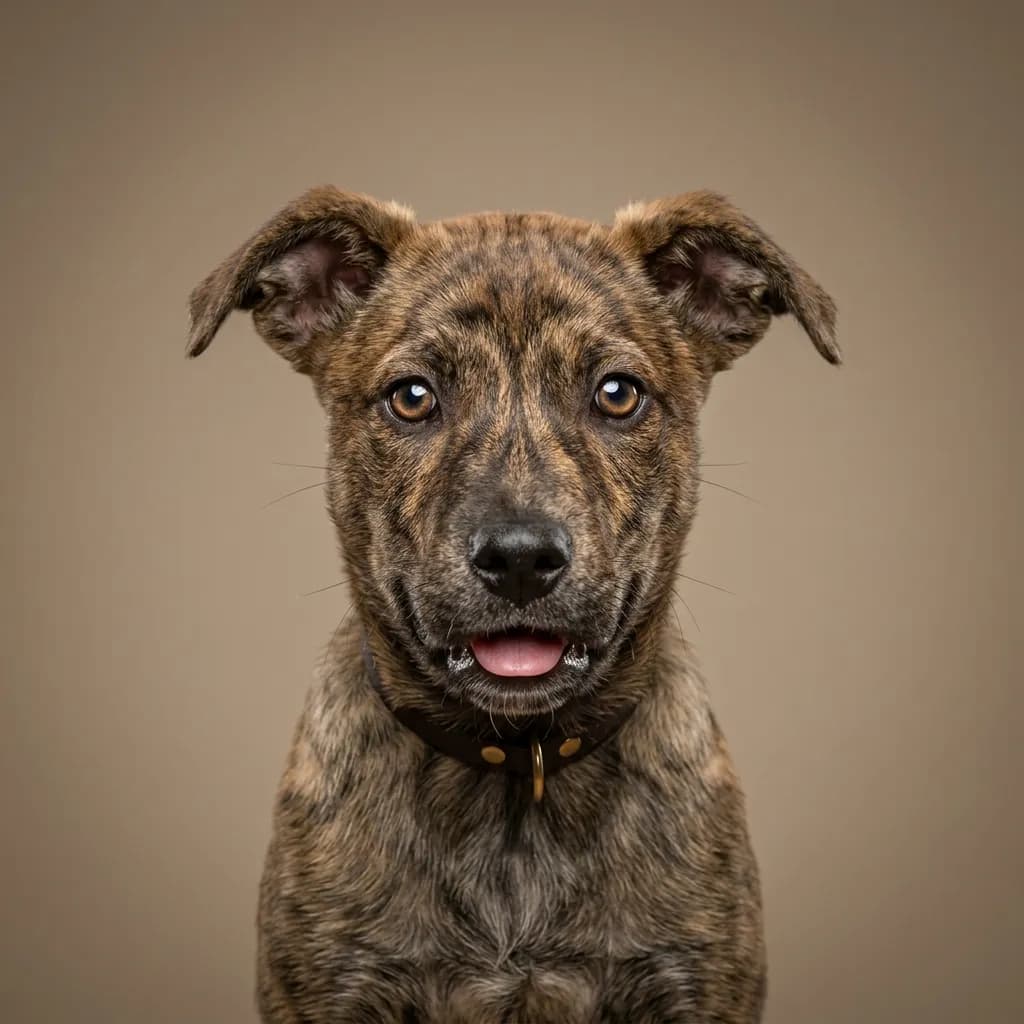
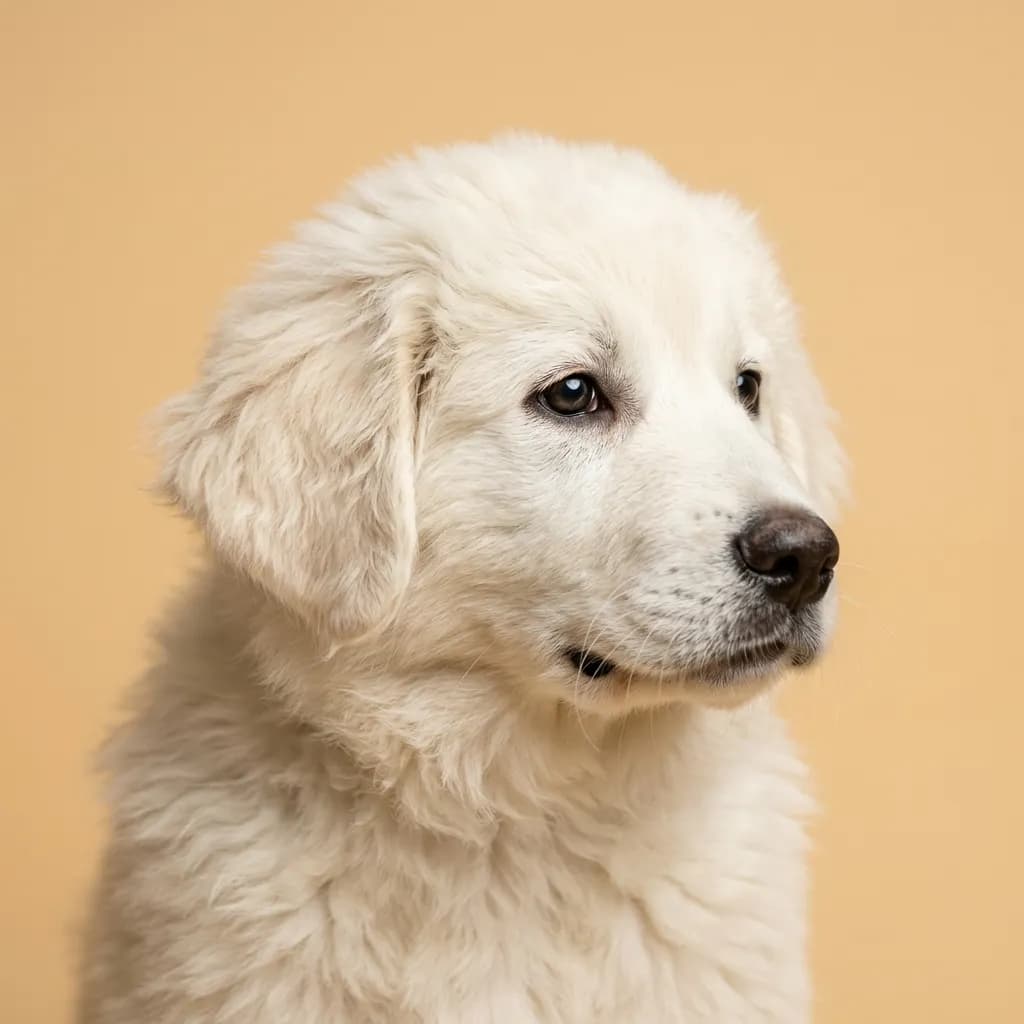
People compare Mountain Curs and Slovensky Cuvacs because both are rugged, independent working dogs from mountainous regions, often sought by folks living off-grid or managing land. But that’s where the similarities end. One’s a lean hunting partner built for stamina, the other’s a massive white livestock guardian bred to intimidate wolves. The Mountain Cur is the choice if you’re chasing squirrels through the Ozarks or need a dog that moves fast, thinks on its feet, and bonds tightly with its person. At 30 to 60 pounds, it’s agile and driven, with a 5/5 energy rating that means it needs work. real work. to stay balanced. It’s reserved with strangers but deeply affectionate at home, though its trainability is only a 3/5. That’s dog-speak for “you’d better have experience reading canine body language.” The Slovensky Cuvac, meanwhile, is a 70 to 100-pound force of nature. It’s not built to follow a scent trail but to stand motionless in snowdrifts, guarding sheep. Its low barking score (1/5) is surprising for a guardian breed, but it doesn’t need noise. its size and presence are the deterrent. You’ll clean up a lot of white double coat (4/5 shedding), and you’ll need space. This dog doesn’t do suburbs. Here’s the real talk: both need experienced hands, but for different reasons. The Cur will outthink you if you’re not consistent. The Cuvac will ignore you if he doesn’t respect your leadership. And while both live around 12 years, the Cuvac’s bloat risk means you’ll be vigilant about feeding routines. Choose the Cur if you’re active, outdoorsy, and want a partner. Pick the Cuvac if you need a protector and have the space, structure, and spine to lead a dog that sees itself as your equal.
Trait-by-trait
Higher bar = more of that trait. Shedding, barking, drooling, grooming flipped for readability.Where they diverge
Choose the Mountain Cur if…
- Active outdoor owners
- Hunters
- Rural or farm settings
- You value energy level — Mountain Cur scores noticeably higher.
Choose the Slovensky Cuvac if…
- experienced large-breed owners
- farms and large properties
- cold climates
- You value watchdog / protective — Slovensky Cuvac scores higher here.