Mudi vs Schipperke
Side-by-side comparison across all 14 AKC trait ratings, with a clear verdict on which breed fits which kind of household.
Not sure which breed fits your life?
Answer five questions about your home, your schedule, and your tolerance for shedding. We’ll match you to your top three breeds from over 200.
Mudi vs Schipperke
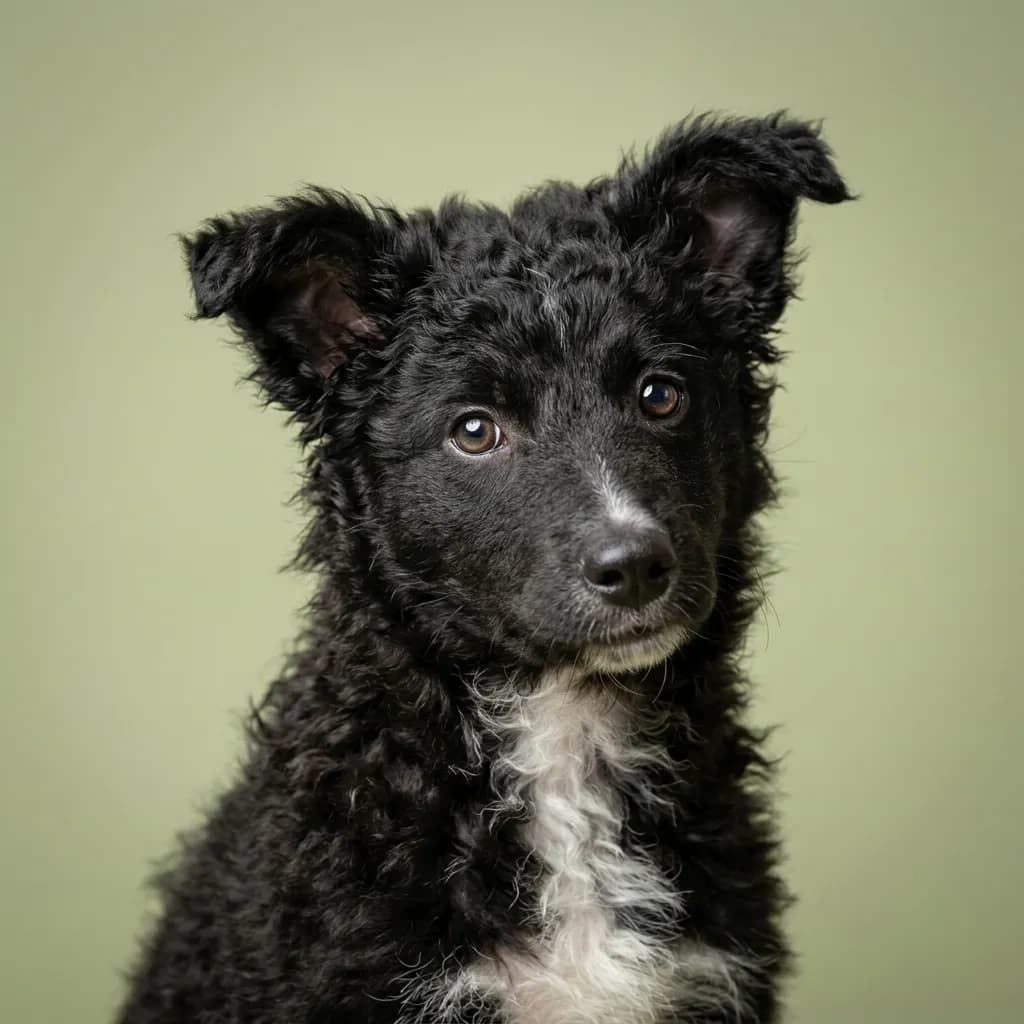
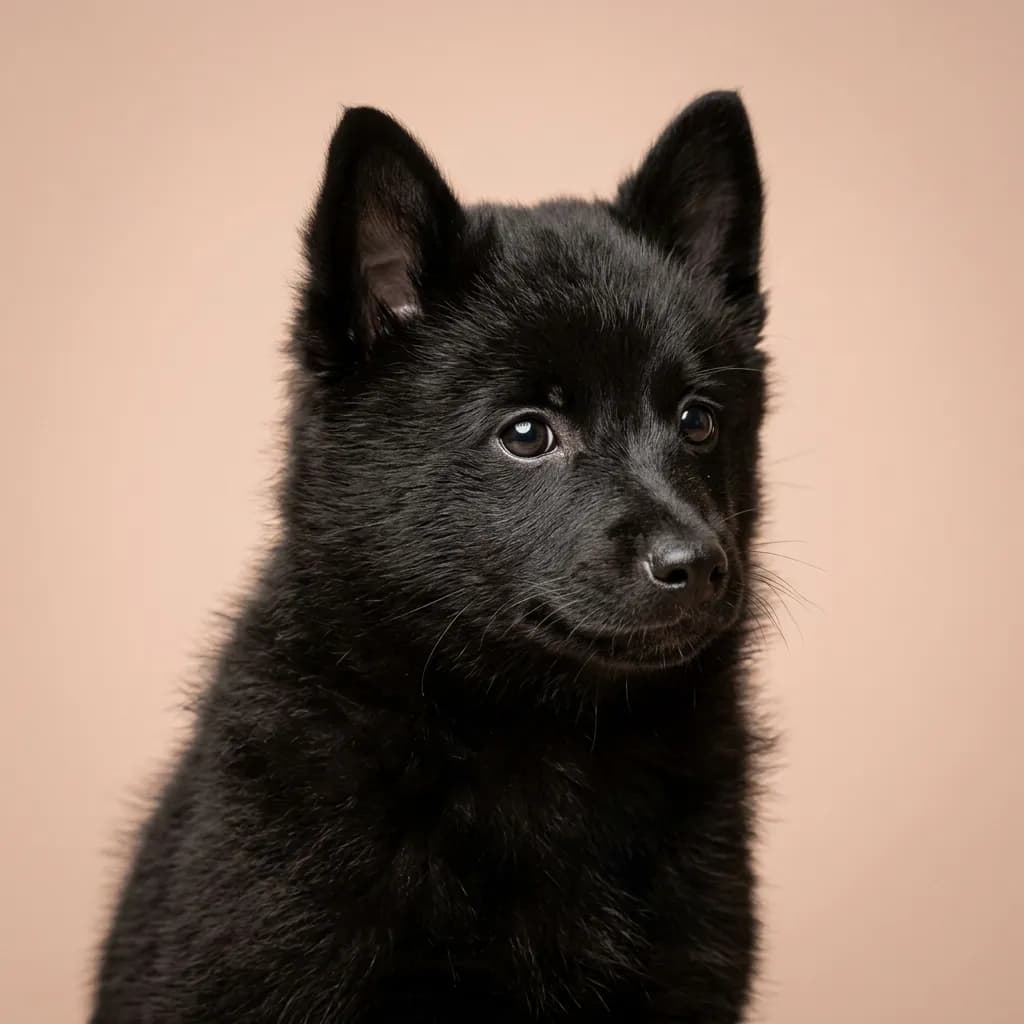
You don’t see Mudis and Schipperkes side by side at dog parks often, but if you’re deep in the weeds of small, smart, high-drive breeds that aren’t mainstream, you’ve probably landed here. Both are alert, bold, and pack a big-dog personality in a compact frame. But that’s where the similarity ends. The Mudi is a live wire. Think border collie energy in a tousled, merle-coated body. These dogs are built for motion. herding, agility, farm work, you name it. They need a job, daily challenges, and serious mental stimulation. If you’re into dog sports or live on a farm with chores, the Mudi will be your shadow. But if you’re hoping for a calm companion who’ll nap after a neighborhood walk, it’ll be a rough ride. They’re loyal to their people but can be reserved with kids, not out of aggression but sheer intensity. The Schipperke, on the other hand, is the quirky little watchdog with a mane and a mischievous glint. Smaller and slightly less intense, they’re curious and confident, bred to patrol Belgian barges and chase rats. They bond deeply and are more consistently affectionate than Mudis, but they can be stubborn and bark at anything that moves. Their energy is manageable with a good walk and some play, not the five-alarm workout the Mudi demands. Here’s the real talk: the Mudi will out-think you. The Schipperke will out-stubborn you. Choose the Mudi if you want an active partner in adventure and have the experience to handle a dog that’s always working. Pick the Schipperke if you want a bold, loving little guardian with a bit more chill and a lot of personality. And one thing no breeder website will tell you: both breeds will test your patience, but in different ways. The Mudi because it’s always thinking three moves ahead. The Schipperke because it simply doesn’t care what you think.
Trait-by-trait
Higher bar = more of that trait. Shedding, barking, drooling, grooming flipped for readability.Where they diverge
Choose the Mudi if…
- Active families
- Experienced herding breed owners
- Dog sport enthusiasts
- You value energy level — Mudi scores noticeably higher.
Choose the Schipperke if…
- Active owners
- Those wanting a small but bold breed
- Suburban or rural settings
- You value affectionate w/ family — Schipperke scores higher here.