Mudi vs Siberian Husky
Side-by-side comparison across all 14 AKC trait ratings, with a clear verdict on which breed fits which kind of household.
Not sure which breed fits your life?
Answer five questions about your home, your schedule, and your tolerance for shedding. We’ll match you to your top three breeds from over 200.
Mudi vs Siberian Husky
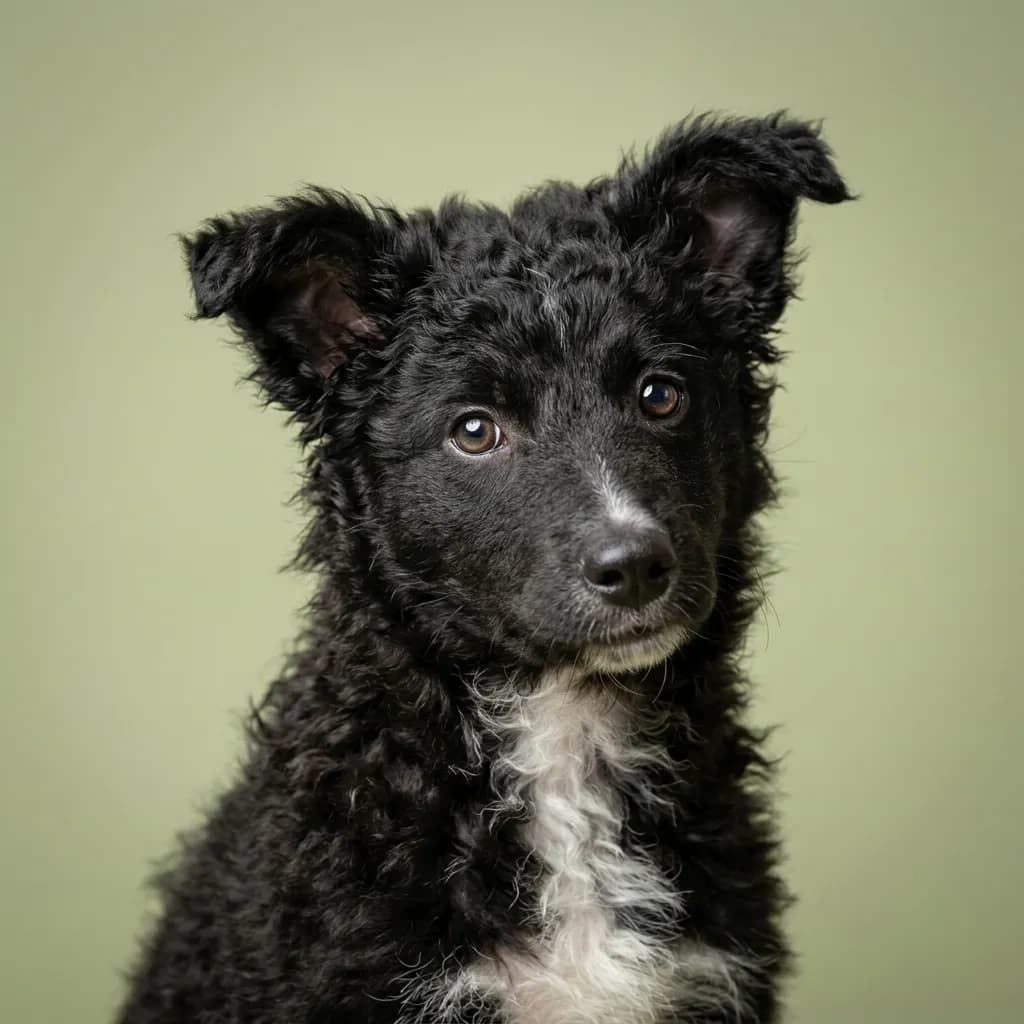
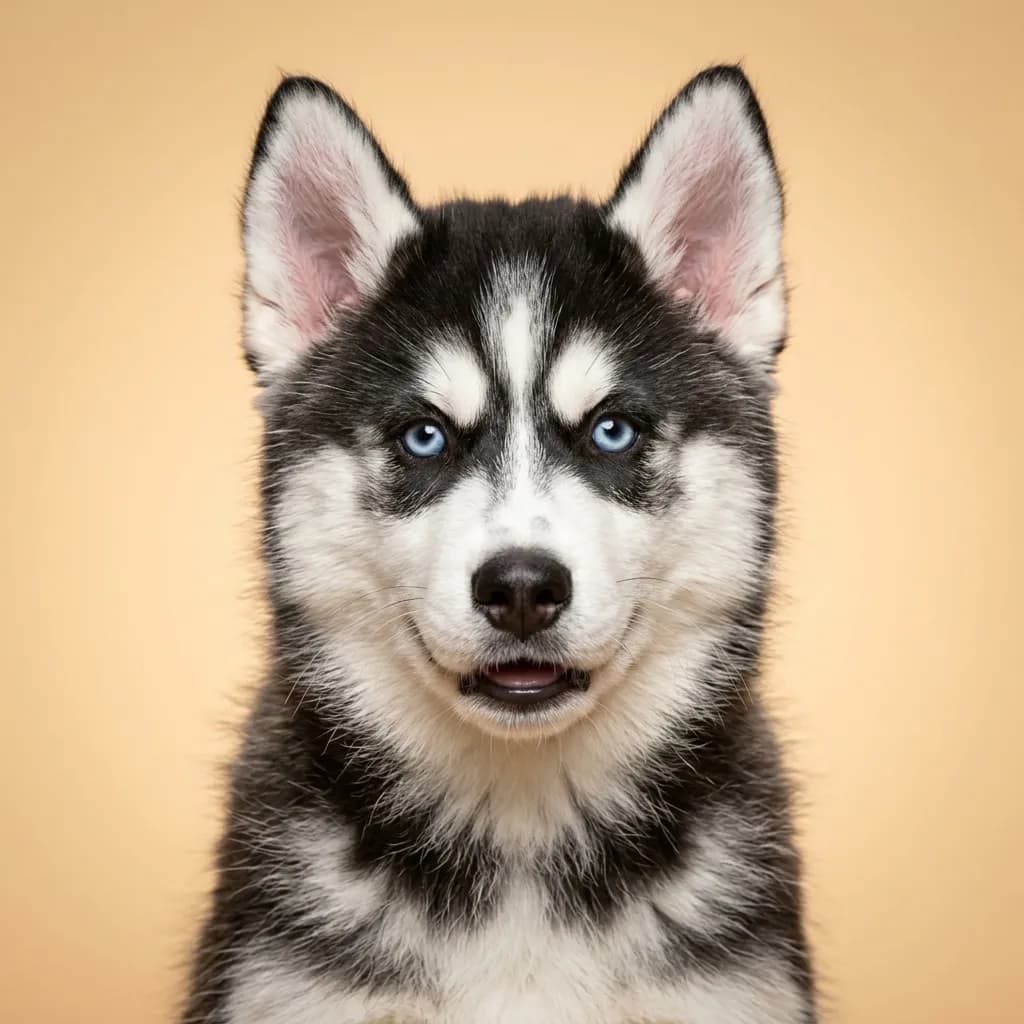
You’re probably comparing a Mudi and a Siberian Husky because both look like wild-hearted, high-energy dogs that thrive on adventure. Maybe you want a partner for hiking, dog sports, or a farmhand with personality. But beneath the similar energy levels lies two totally different animals. The Mudi is the secret weapon of experienced dog people. At under 30 pounds, this Hungarian herder is lightning smart, intensely trainable, and obsessed with having a job. You’ll find Mudis excelling in agility, tracking, even barn hunt. They bond tightly with their people and can be wary of strangers, which makes early socialization critical. They don’t shed much, but they do bark. especially when bored. This isn’t a dog to leave alone in a backyard. They need mental work like puzzles, training, or livestock to manage their 5/5 brainpower. The Siberian Husky? That’s a force of nature. Bred to run 100 miles in subzero temps, they’re built for endurance, not obedience. They’ll greet you like you’ve been gone for years even if you just stepped outside. Great with kids, incredibly affectionate, but notoriously independent. “Trainability: 3/5” means polite code for “will ignore you if a squirrel exists.” And yes, they shed. twice a year, your house becomes a fur snowstorm. They’re escape artists; a fenced yard is just a suggestion. Here’s the real insight: the Mudi wants to follow your lead on a mission. The Husky wants to take you on an adventure. whether you’re ready or not. Pick the Mudi if you want precision, partnership, and a dog that thrives on structure. Pick the Husky if you’re okay with chaos, love a social goofball, and live somewhere cold. One is a scalpel. The other is a snowstorm in dog form.
Trait-by-trait
Higher bar = more of that trait. Shedding, barking, drooling, grooming flipped for readability.Where they diverge
Choose the Mudi if…
- Active families
- Experienced herding breed owners
- Dog sport enthusiasts
- You value watchdog / protective — Mudi scores noticeably higher.
Choose the Siberian Husky if…
- Active owners who exercise daily
- Cold climate households
- Families with children
- You value good with young children — Siberian Husky scores higher here.