Mudi vs Tibetan Mastiff
Side-by-side comparison across all 14 AKC trait ratings, with a clear verdict on which breed fits which kind of household.
Not sure which breed fits your life?
Answer five questions about your home, your schedule, and your tolerance for shedding. We’ll match you to your top three breeds from over 200.
Mudi vs Tibetan Mastiff
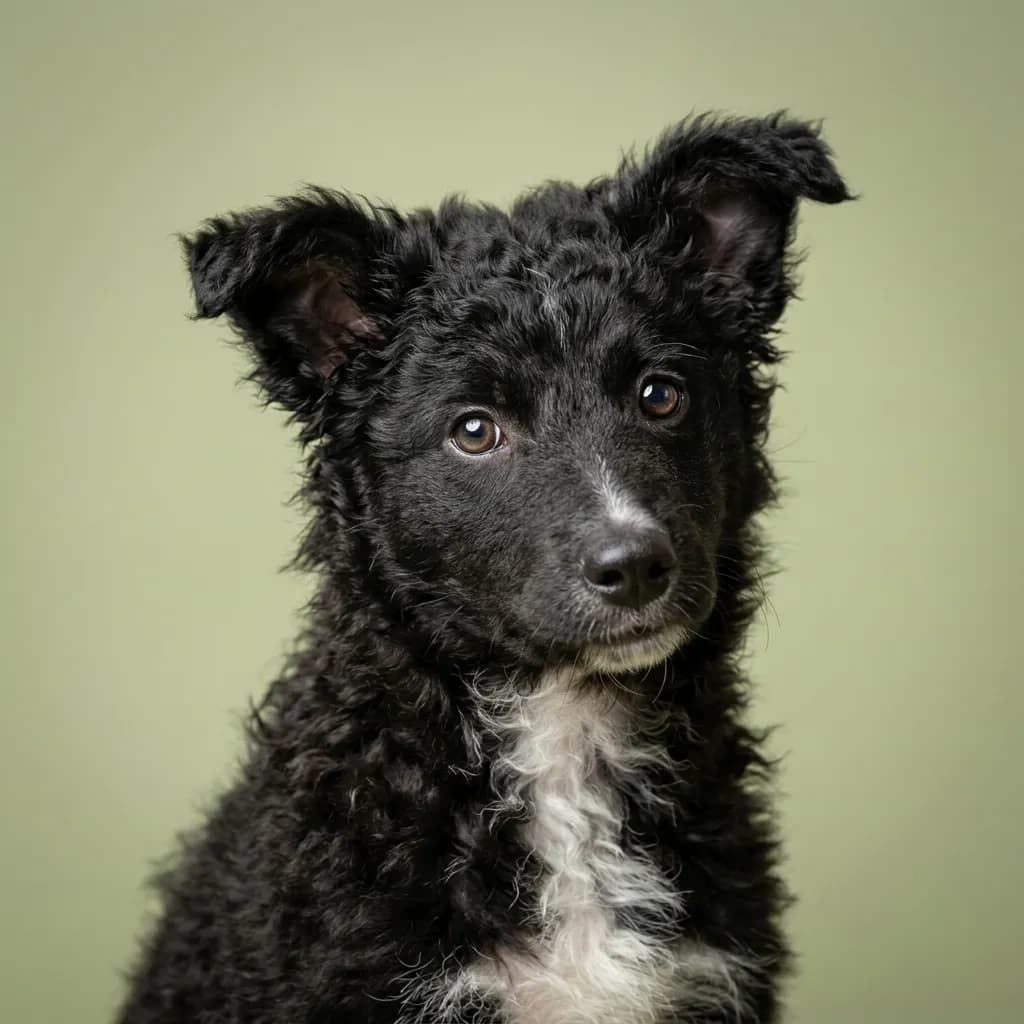
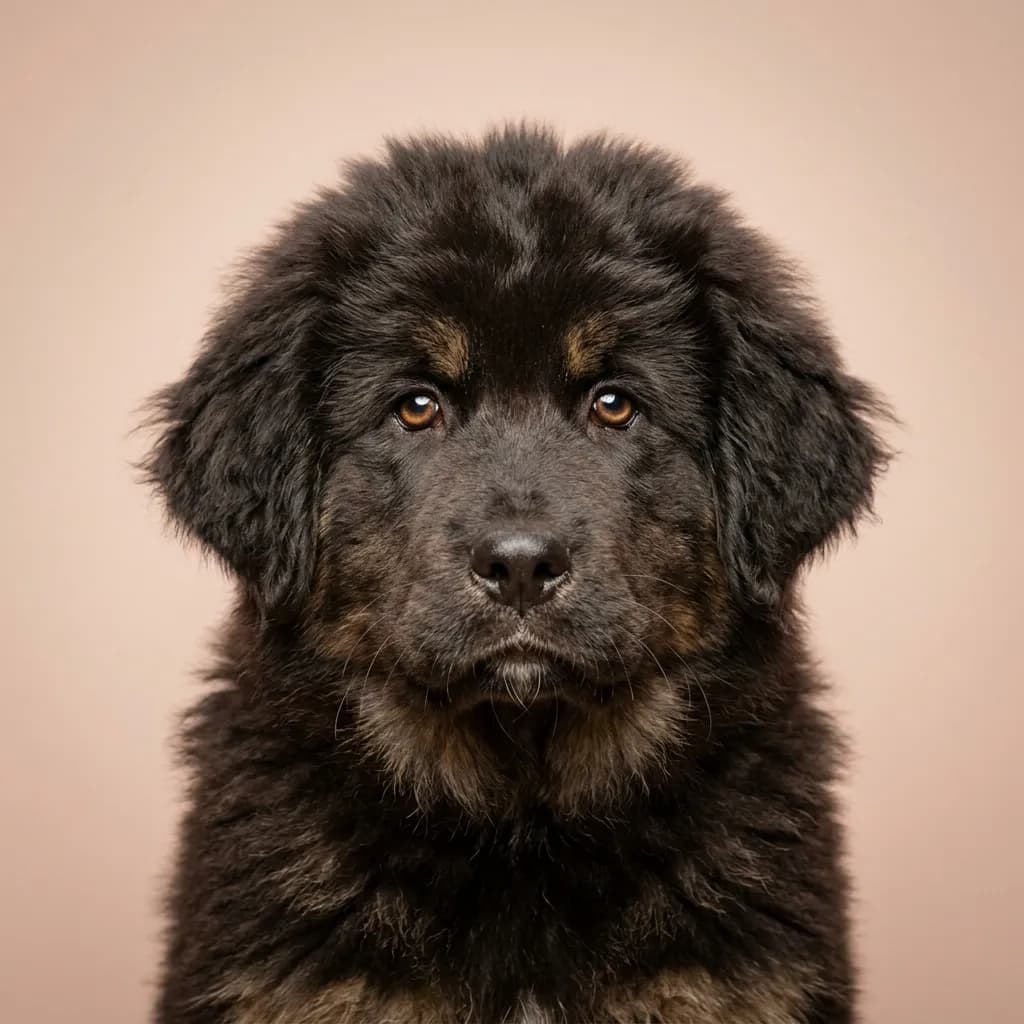
You’re probably not comparing a Mudi and a Tibetan Mastiff because they look alike. One’s a springy, fox-faced farmhand from Hungary that weighs less than some carry-on luggage. The other is a lion-maned mountain of a dog that historically guarded Himalayan monasteries and looks like it could take on a snow leopard. But here’s why people end up weighing them: both are rare, intense, and fiercely loyal. Both demand experience. And both will change your life. just in completely opposite directions. The Mudi is a live wire. It’s the dog that learns a trick in two minutes, then barks at the neighbor’s squirrel like it’s a national emergency. You’ll need jobs for this dog. dog sports, herding trials, daily hikes with bursts of sprinting. It bonds deeply but isn’t a cuddler by default. Kids might startle it; chaos will stress it. But in the right active, rural home with a handler who speaks "dog," it’s electric. The Tibetan Mastiff is more fortress than pet. Calm, aloof, deeply suspicious of strangers. It doesn’t need much exercise, but it needs space, cold weather, and absolute respect for its independence. Training? Good luck. It’s smart but not eager to please. You don’t own a Tibetan Mastiff. You negotiate with it. It’s affectionate on its terms, with its people, in its time. Here’s the real difference: the Mudi needs you to be its teammate. The Tibetan Mastiff expects you to be its advisor. but only when it asks. Pick the Mudi if you want a responsive, agile partner in motion. Pick the Mastiff if you want a majestic, ancient presence that watches over your land like a furry sentinel. Just know this. neither will fit in a suburban backyard. One will bark at the mailman. The other will glare at him like he’s trespassing on sacred ground.
Trait-by-trait
Higher bar = more of that trait. Shedding, barking, drooling, grooming flipped for readability.Where they diverge
Choose the Mudi if…
- Active families
- Experienced herding breed owners
- Dog sport enthusiasts
- You value good with strangers — Mudi scores noticeably higher.
Choose the Tibetan Mastiff if…
- Experienced large-breed owners
- Cold climate households
- Those wanting a serious guardian breed
- You value shedding level — Tibetan Mastiff scores higher here.