Newfoundland vs Papillon
Side-by-side comparison across all 14 AKC trait ratings, with a clear verdict on which breed fits which kind of household.
Not sure which breed fits your life?
Answer five questions about your home, your schedule, and your tolerance for shedding. We’ll match you to your top three breeds from over 200.
Newfoundland vs Papillon
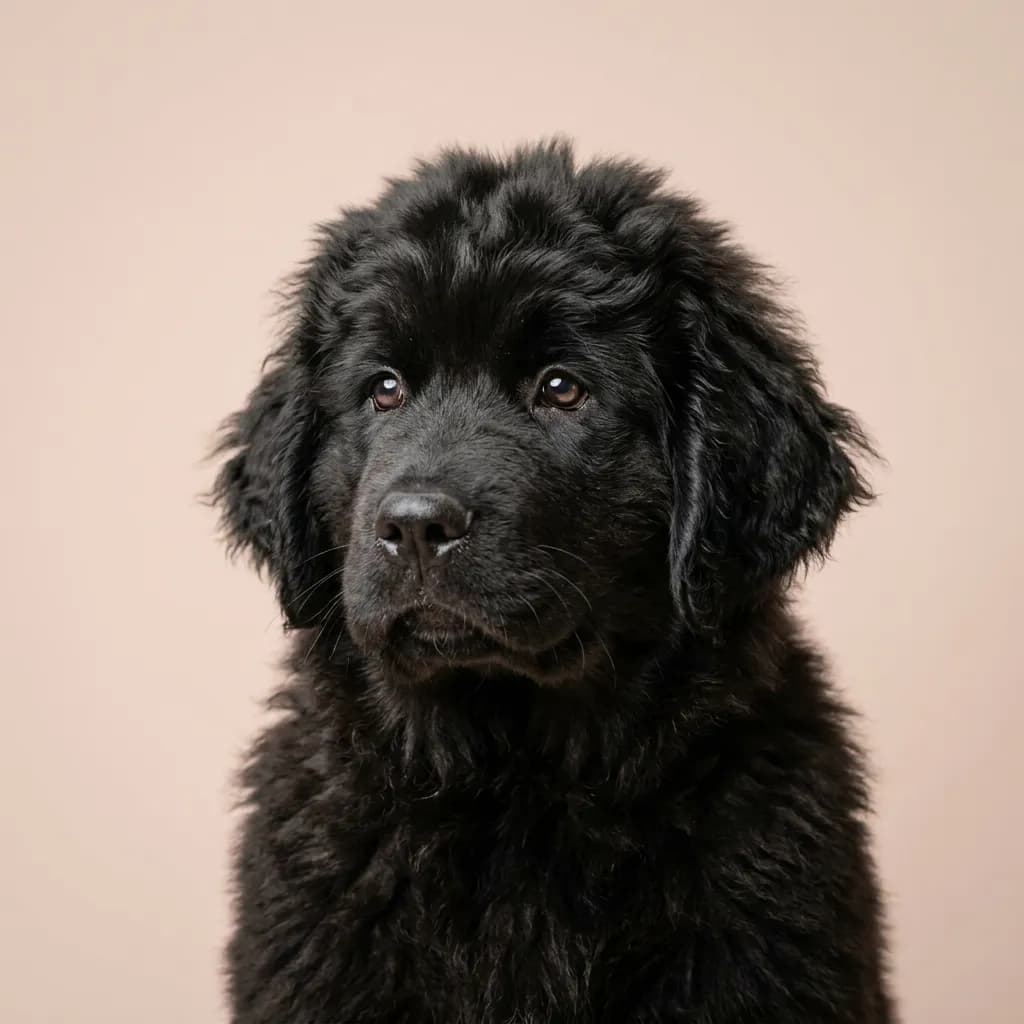
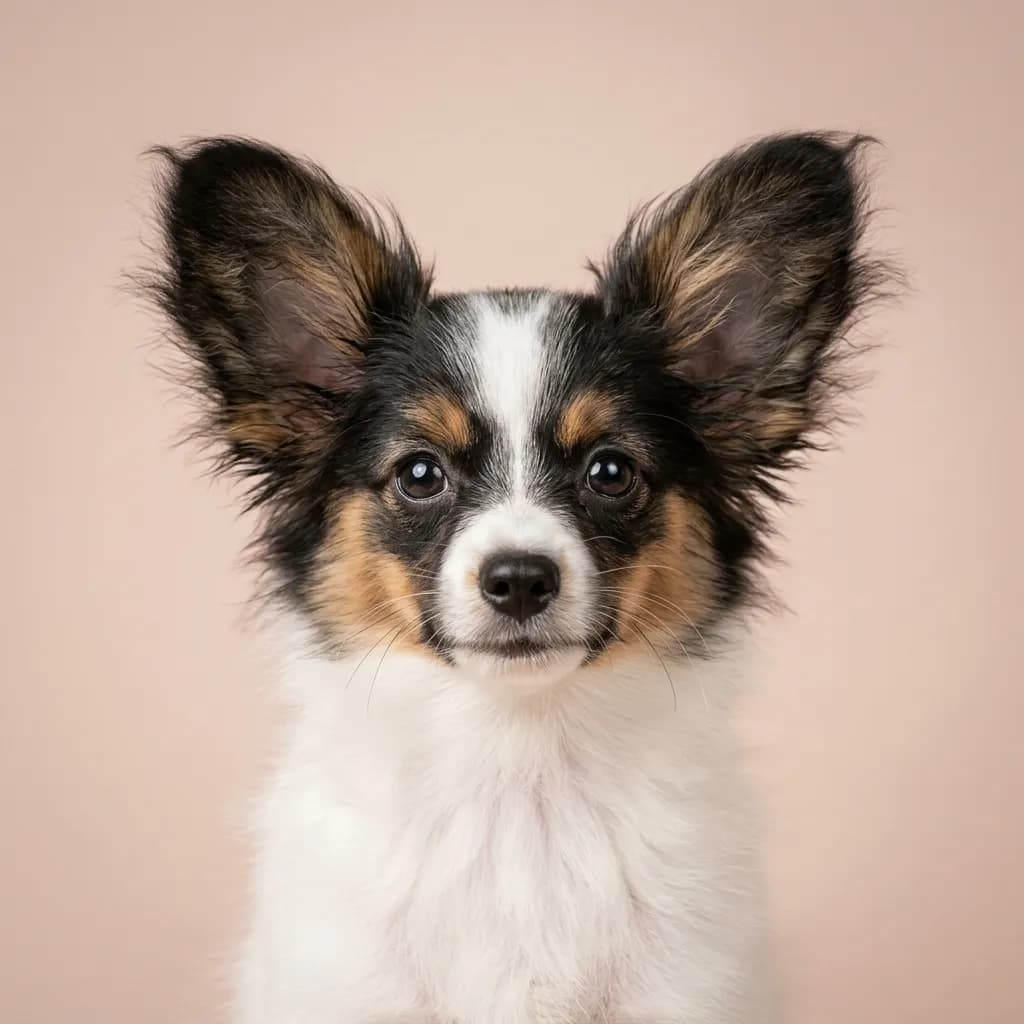
You’d be surprised how often people compare a Newfoundland and a Papillon. Maybe it’s because both are famously sweet and great with kids, or because their names sound like they belong to characters in a storybook. But that’s where the similarity ends. One is a gentle giant born to pluck people from icy waters, the other a sprightly lapdog painted in old royal portraits. If you're weighing these two, you're really asking: do I want a living teddy bear the size of a coffee table, or a pocket-sized dynamo that thrives on mental gymnastics? The Newfoundland is calm, deeply patient, and built for cold climates and big spaces. You’ll need room for him, a game plan for his shedding, and an awareness that his lifespan is shorter. 9 to 10 years is typical. He’s not a high-energy dog, but his size means even moderate activity has impact. You can’t take him hiking in July in Phoenix, and forget about apartment life. But if you’ve got kids, a yard, and love water activities, he’ll be your loyal shadow. The Papillon, meanwhile, is all brain and spark. This dog learns tricks in minutes, excels in agility, and will bark at a leaf blowing past the window. He’s perfect for city living, but not for peace seekers. His energy and alertness mean he needs engagement. constant. He’s safe around older kids, but toddlers might knock him over or trigger his nervousness. Here’s the real talk: both are affectionate and smart, but the Newfoundland gives you steady, quiet love, while the Papillon wants to be your high-fiving, competitive best friend. Choose the Newf if you want a calm, protective presence. Pick the Papillon if you want a dog that’s always ready to play, learn, and talk back.
Trait-by-trait
Higher bar = more of that trait. Shedding, barking, drooling, grooming flipped for readability.Where they diverge
Choose the Newfoundland if…
- Families with children
- Water and outdoor enthusiasts
- Those wanting a gentle giant
- You value drooling level — Newfoundland scores noticeably higher.
Choose the Papillon if…
- Apartment living
- Active owners
- Families with older children
- You value barking level — Papillon scores higher here.