Newfoundland vs Samoyed
Side-by-side comparison across all 14 AKC trait ratings, with a clear verdict on which breed fits which kind of household.

Not sure which breed fits your life?
Answer five questions about your home, your schedule, and your tolerance for shedding. We’ll match you to your top three breeds from over 200.
Newfoundland vs Samoyed
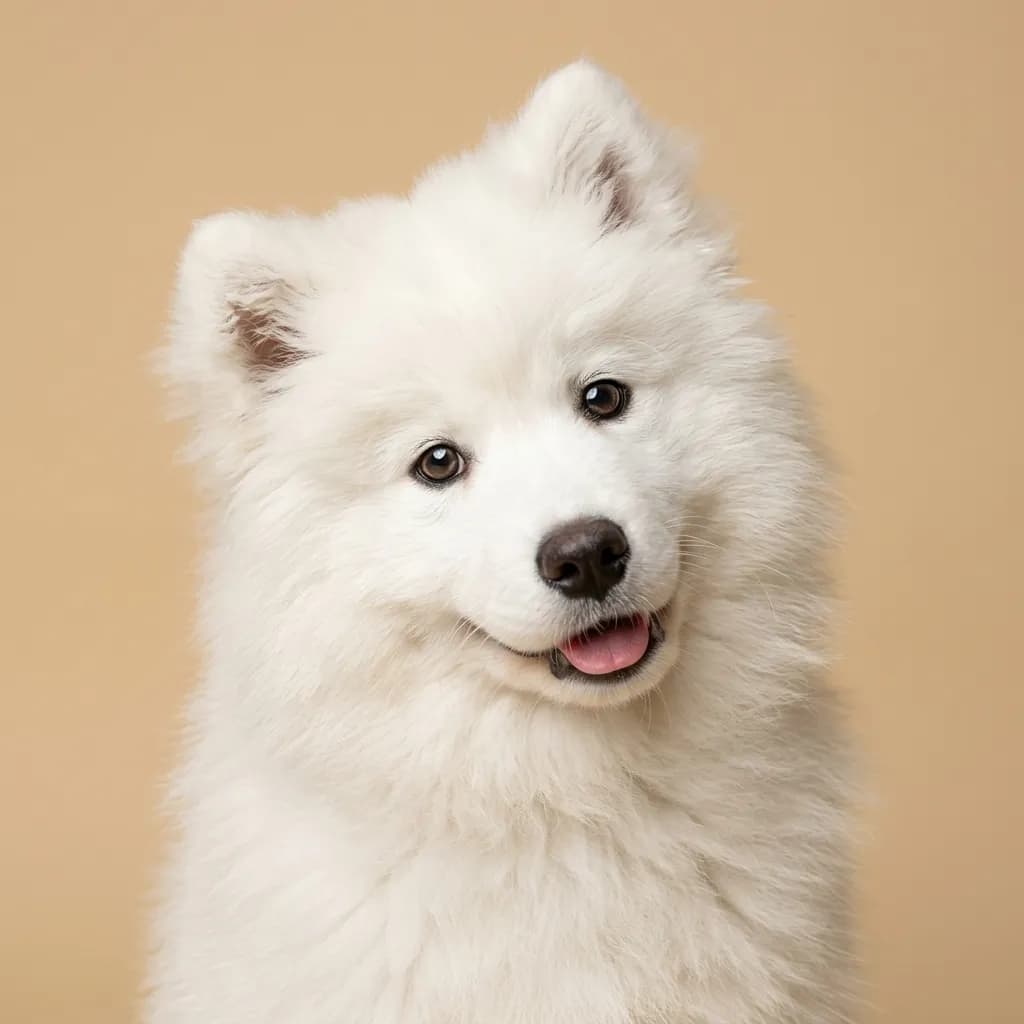
You don’t see Newfoundlands and Samoyeds side by side at the dog park often, but people compare them when they’re dreaming big. literally. Both are fluffy, white, and look like they stepped out of a snow globe. But that’s where the fantasy ends and the reality check begins. The Newfoundland is your 140-pound teddy bear who thinks he’s a lap dog. He’ll swim across a lake to save a duckling, then drip all over your hardwood floor and nap through dinner. He’s calm, quiet, and deeply in tune with people. especially kids. But he drools like a sprinkler and needs space. A big yard, access to water, and a garage you don’t mind turning into a dog spa are non-negotiable. The Samoyed, on the other hand, is the cheerful, yodeling extrovert who wants to join every conversation. He’s half the size but twice as loud. He’ll greet the mailman like a long-lost brother and bark at squirrels like they’ve personally offended him. His coat is a full-time job. brushing every other day isn’t overkill, it’s survival. But he thrives in cold weather and adores being part of the action, whether it’s hiking or herding your kids around the yard. So who picks which? If you want a peaceful, patient giant who’s happiest in water and doesn’t mind napping while the family plays soccer, go Newfoundland. If you want an energetic, social companion who’ll shine in dog sports and doesn’t mind the cold. or the barking. Samoyed’s your guy. Here’s the real talk: both shed like it’s their job, but the Samoyed’s coat traps heat. In anything above 75 degrees, he’s miserable. The Newfoundland? He’s built for chill, literally. But neither belongs outside alone. They’re family dogs through and through. detachable from your side, they won’t just resist, they’ll mourn.
Trait-by-trait
Higher bar = more of that trait. Shedding, barking, drooling, grooming flipped for readability.Where they diverge
Choose the Newfoundland if…
- Families with children
- Water and outdoor enthusiasts
- Those wanting a gentle giant
- You value drooling level — Newfoundland scores noticeably higher.
Choose the Samoyed if…
- Active families
- Cold climate households
- Dog sports enthusiasts
- You value barking level — Samoyed scores higher here.