Newfoundland vs Schapendoes
Side-by-side comparison across all 14 AKC trait ratings, with a clear verdict on which breed fits which kind of household.
Not sure which breed fits your life?
Answer five questions about your home, your schedule, and your tolerance for shedding. We’ll match you to your top three breeds from over 200.
Newfoundland vs Schapendoes
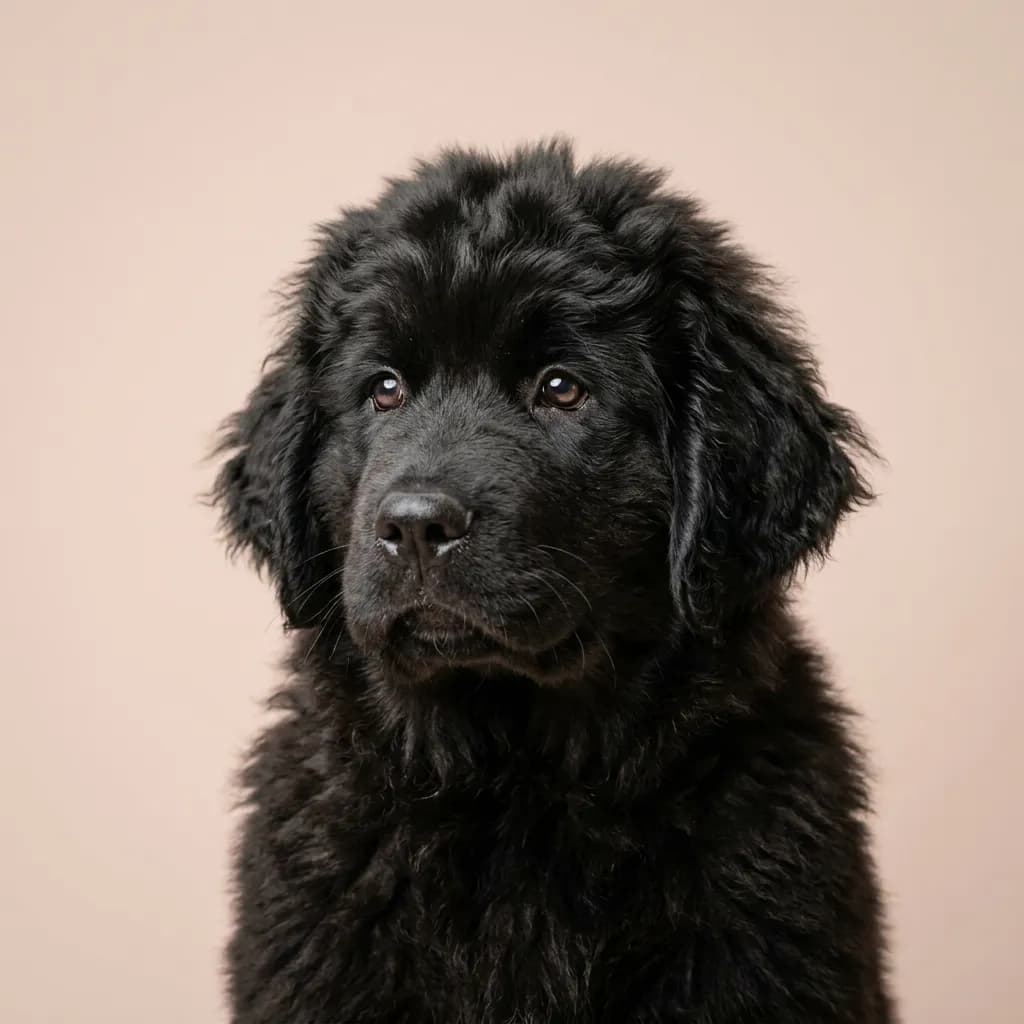
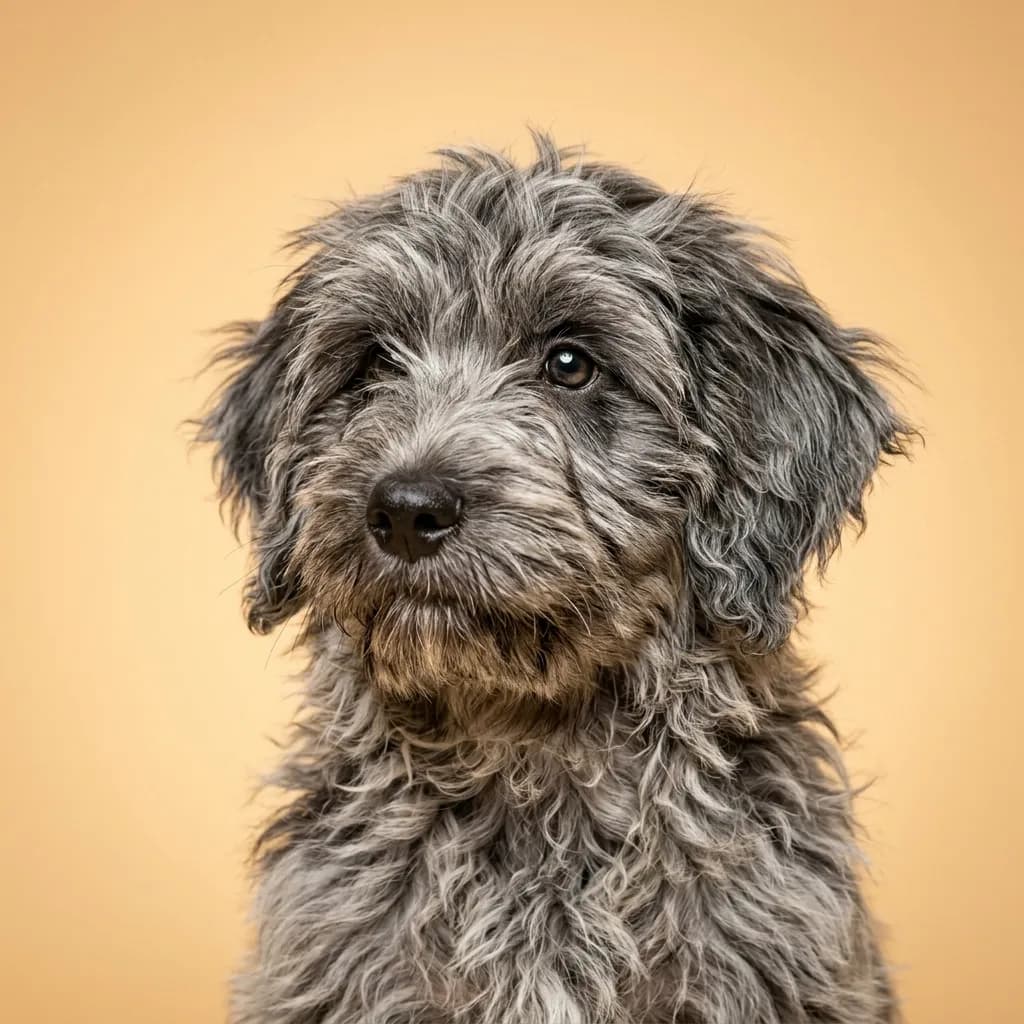
You’re not going to see a Newfoundland and a Schapendoes side by side at your average dog park, so why compare them? Probably because you’re torn between two visions of dog life. one is a calm, drooly giant who lives for rescuing kids from lakes and napping on your porch, the other a springy, fuzzy comet with a beard and a grin, leaping over logs and herding your chickens. The Newfoundland is a soft giant, built like a draft horse but with the heart of a nanny. At 130 pounds, he’s not so much walking as he is gently displacing air. He’s happiest near water, pulling kids on sleds, or leaning on you during movie night. He’s not the sharpest in problem-solving, but his devotion is off the charts. You’ll deal with drool on your shoulder and fur on everything, and if you live somewhere hot, good luck. this dog was made for Newfoundland fog, not Texas summers. The Schapendoes is the opposite kind of project. Light, agile, and wired for action, he’s the dog that wakes up ready for a 10-mile hike and a flyball tournament. He’s smart. really smart. and eager to please, so training is a joy. But he needs it. Left to his own devices, he’ll herd your cats or bark at squirrels like it’s his job. His coat looks like a mop, and yeah, it needs brushing. often. Here’s the real difference: the Newfoundland gives you calm. The Schapendoes gives you connection. One is a living teddy bear for families who want a gentle presence. The other is a partner for people who want a dog that’s always doing something with them. And the truth no one mentions? The Newfoundland will break your heart when he’s gone at 9 years. Love him hard while you can.
Trait-by-trait
Higher bar = more of that trait. Shedding, barking, drooling, grooming flipped for readability.Where they diverge
Choose the Newfoundland if…
- Families with children
- Water and outdoor enthusiasts
- Those wanting a gentle giant
- You value drooling level — Newfoundland scores noticeably higher.
Choose the Schapendoes if…
- active families
- agility and herding sport enthusiasts
- experienced herding breed owners
- You value trainability — Schapendoes scores higher here.