Newfoundland vs Schipperke
Side-by-side comparison across all 14 AKC trait ratings, with a clear verdict on which breed fits which kind of household.
Not sure which breed fits your life?
Answer five questions about your home, your schedule, and your tolerance for shedding. We’ll match you to your top three breeds from over 200.
Newfoundland vs Schipperke
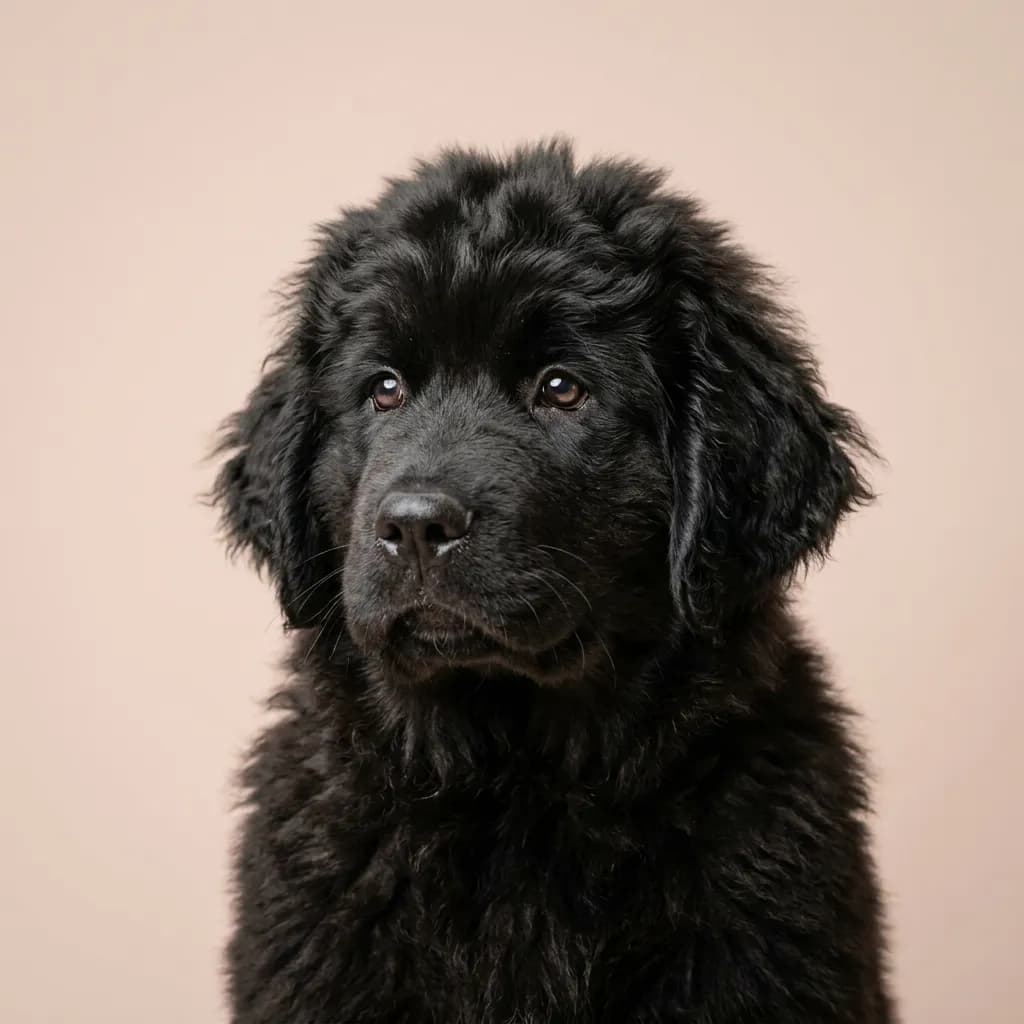
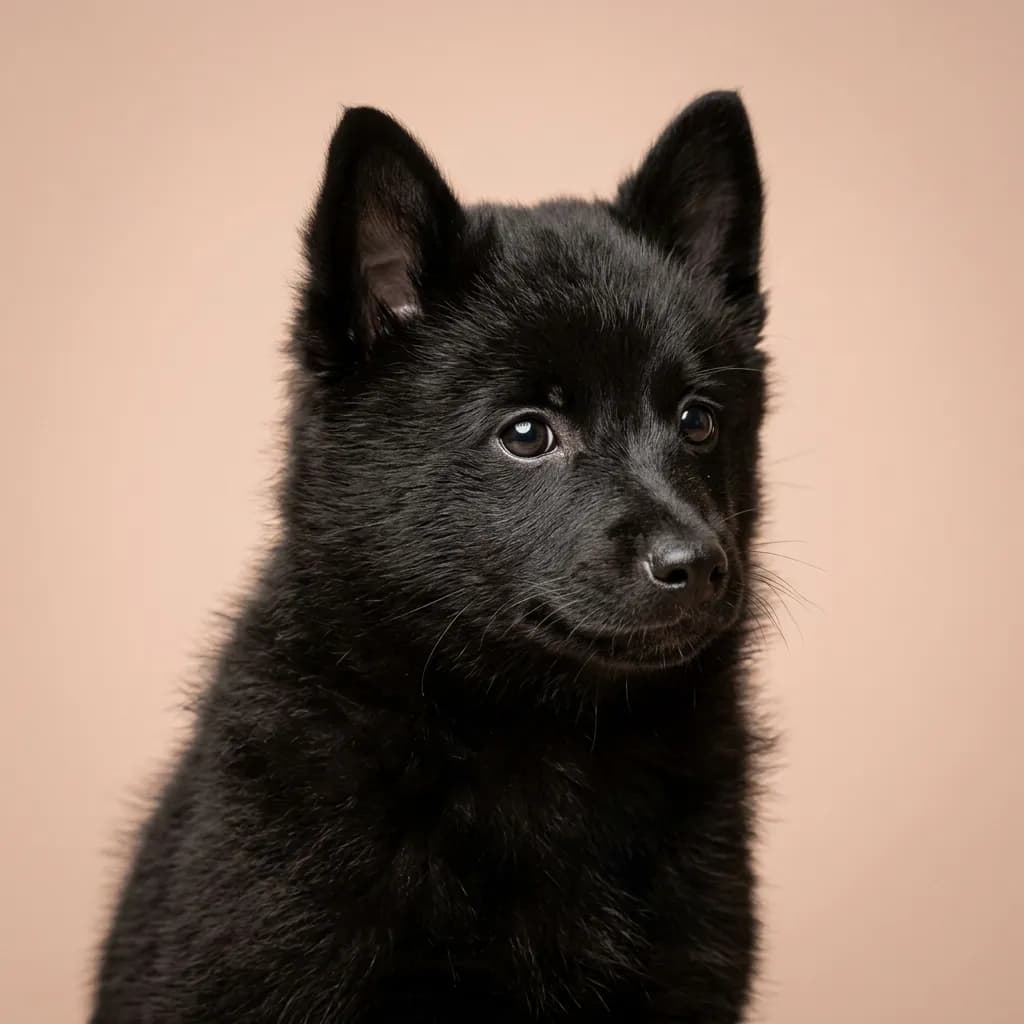
You’d be surprised how often someone asks, “Newfoundland or Schipperke?” It usually starts with a dream: one person wants a dog that feels like home, the other wants a dog that feels like a tiny, fearless CEO. They’re drawn to extremes. size, story, role. but both crave loyalty. That’s why they end up comparing. The Newfoundland is the dog who’d save you from drowning without thinking twice. At 130 pounds of quiet muscle, he’s calm in a crisis, patient with kids, and gentle enough to lie still while toddlers use him as a couch. He drools. A lot. And he sheds like a snowstorm in July. You need space, a yard, and a tolerance for slobber on your sleeve. He’s not lazy, but he doesn’t need constant stimulation. just love, water, and room to move. Then there’s the Schipperke. Imagine a mini black bear with headlights for eyes, wired with curiosity and zero fear. He’s bold in a way that can be annoying. barking at mail carriers like they’re invading armies, chasing squirrels like it’s his job. He’s smart, trainable, and thrives with active owners who’ll give him jobs. But he’s not a lapdog in temperament, even if he fits on your lap. Kids under 10 might overwhelm him, and small pets better be safe. he was bred to hunt vermin. Here’s the real difference: the Newfoundland gives you peace. The Schipperke gives you drama. One is a warm blanket after a long day. The other is a spark plug in fur. Pick the Newfoundland if you want a calm, loving presence and can handle the mess. Pick the Schipperke if you want a character who keeps life interesting. and don’t mind a little noise.
Trait-by-trait
Higher bar = more of that trait. Shedding, barking, drooling, grooming flipped for readability.Where they diverge
Choose the Newfoundland if…
- Families with children
- Water and outdoor enthusiasts
- Those wanting a gentle giant
- You value drooling level — Newfoundland scores noticeably higher.
Choose the Schipperke if…
- Active owners
- Those wanting a small but bold breed
- Suburban or rural settings
- You value barking level — Schipperke scores higher here.