Newfoundland vs Toy Fox Terrier
Side-by-side comparison across all 14 AKC trait ratings, with a clear verdict on which breed fits which kind of household.

Not sure which breed fits your life?
Answer five questions about your home, your schedule, and your tolerance for shedding. We’ll match you to your top three breeds from over 200.
Newfoundland vs Toy Fox Terrier
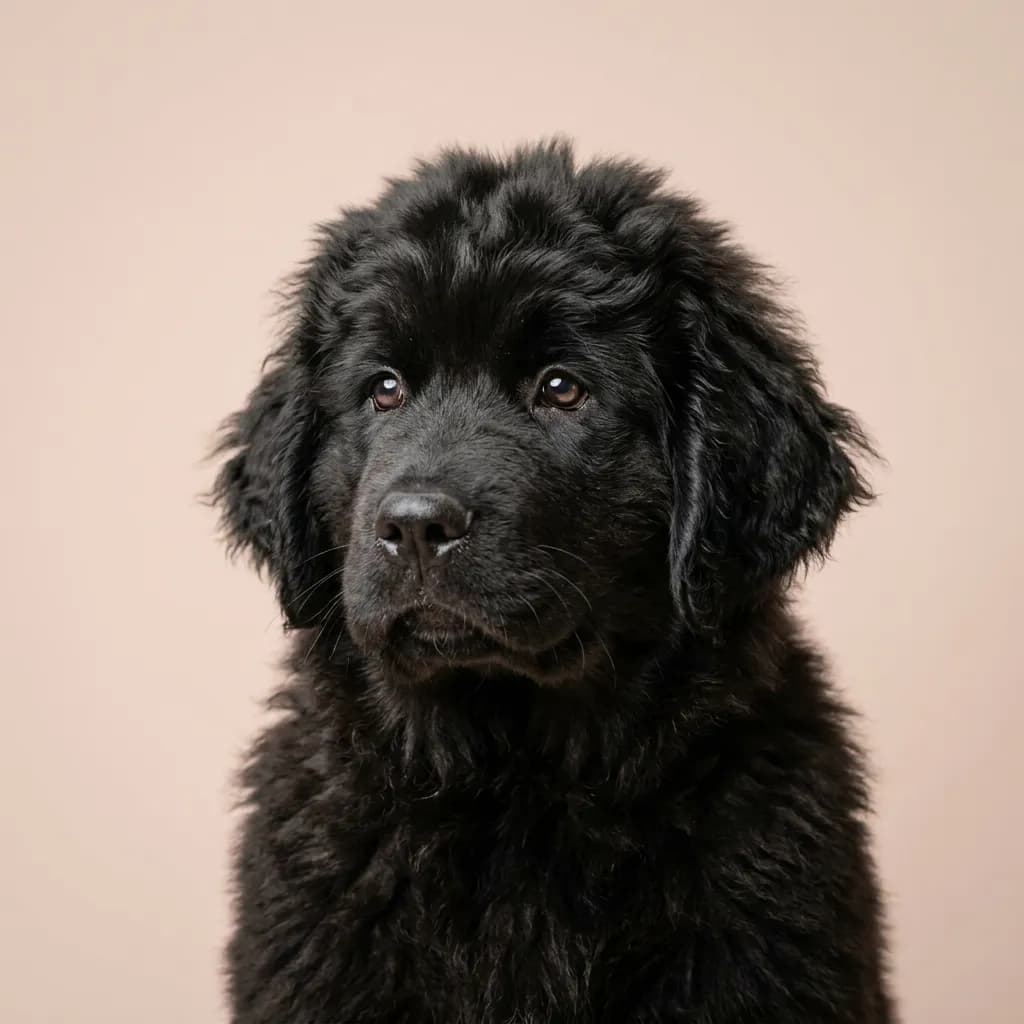
You don't actually see people torn between a Newfoundland and a Toy Fox Terrier. But the contrast tells a story most of us wrestle with when picking a dog: do you want a presence or a pocket friend? A shadow that fills your home or one that fits in your purse? The Newfoundland is a soft giant, the kind of dog that shows up looking like a friendly bear and acts like a golden-hearted nanny. At 100+ pounds, it’s built for cold water and hard work, not city living. It drools, sheds, and needs space, but if you’ve got kids or lead an outdoor life near lakes or snow, it’s one of the most forgiving, loyal companions you can find. It’s not the sharpest tool in obedience class, but it tries, and its devotion is total. The Toy Fox Terrier is the opposite kind of commitment. At under 7 pounds, it’s a whip-smart little daredevil bred to hunt rats and perform tricks. It’s bold, alert, and will bark at the mailman like it’s a personal offense. It’s great in apartments, loves routines, and learns commands fast. But it’s not a toddler’s toy. It’s fragile, feisty, and needs mental work. puzzle toys, training games, something to keep that brain busy. The real difference isn’t size or energy. It’s this: Newfoundlands absorb your life, quietly. They’re companions who blend into the background like family furniture. steady, calming, always there. Toy Fox Terriers want to be in the spotlight, always performing, always engaged. Pick the Newfoundland if you want love that’s deep and quiet. Pick the Toy Fox Terrier if you want a tiny, enthusiastic teammate who treats every day like a show. You’ll never need both. but you’ll definitely know which you need.
Trait-by-trait
Higher bar = more of that trait. Shedding, barking, drooling, grooming flipped for readability.Where they diverge
Choose the Newfoundland if…
- Families with children
- Water and outdoor enthusiasts
- Those wanting a gentle giant
- You value drooling level — Newfoundland scores noticeably higher.
Choose the Toy Fox Terrier if…
- Apartment living
- Active individuals
- Families with older children
- You value barking level — Toy Fox Terrier scores higher here.