Norwegian Buhund vs Norwegian Elkhound
Side-by-side comparison across all 14 AKC trait ratings, with a clear verdict on which breed fits which kind of household.
Not sure which breed fits your life?
Answer five questions about your home, your schedule, and your tolerance for shedding. We’ll match you to your top three breeds from over 200.
Norwegian Buhund vs Norwegian Elkhound
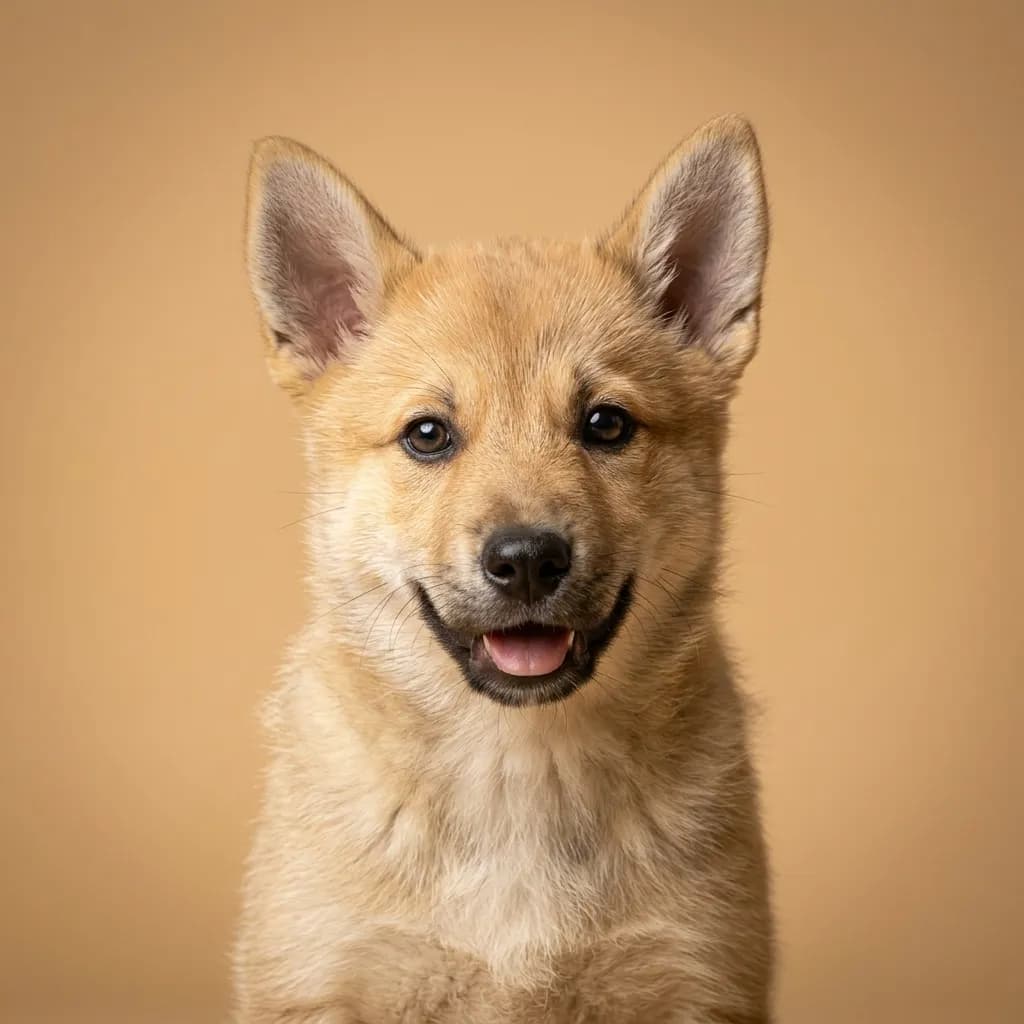
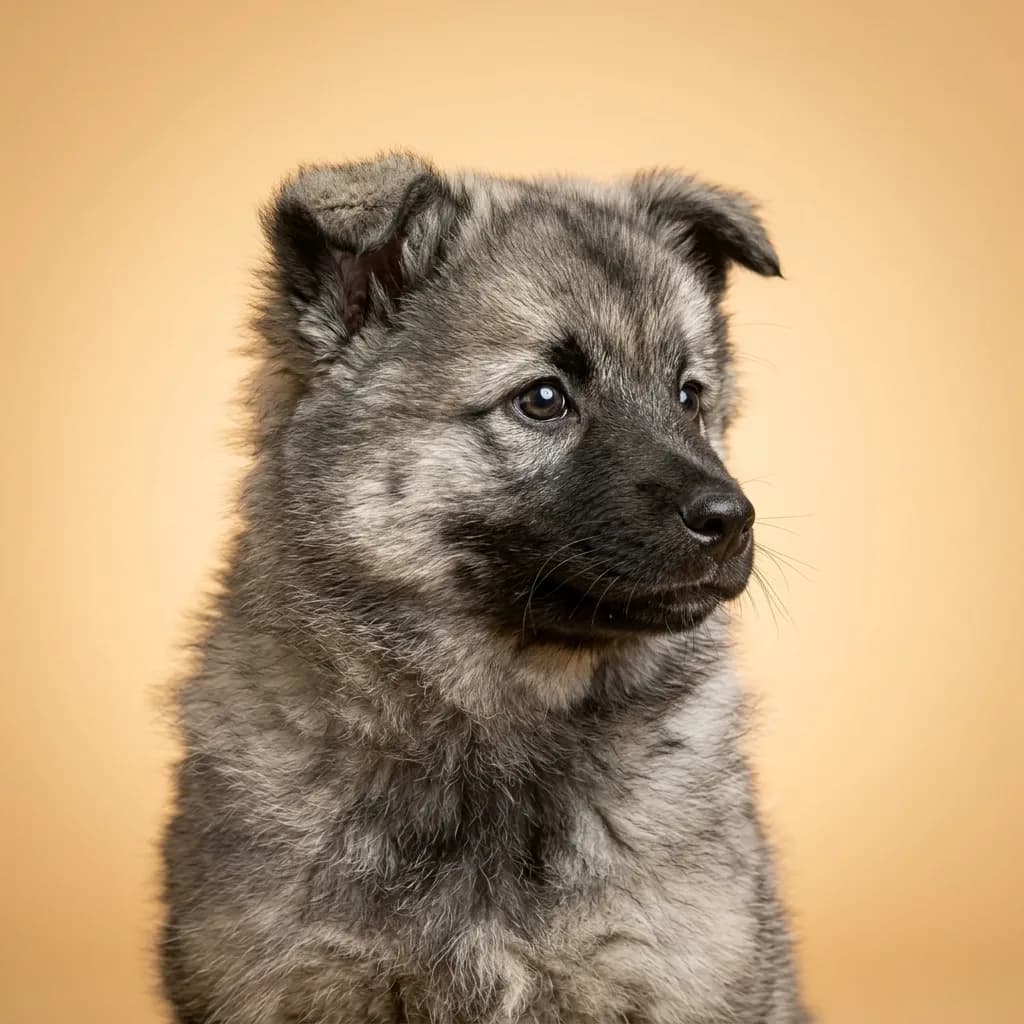
People mix up Norwegian Buhunds and Norwegian Elkhounds because they’re both spitz-faced, black-and-gray Nordic dogs with boundless energy and a serious bark. They look like cousins. and technically, they are, both hailing from the same rugged Norwegian terrain. But their jobs were completely different, and that shapes everything about living with them today. The Buhund was the farmhand, nipping at sheep heels and barking warnings from rocky outcrops. That means they’re slightly smaller, quicker, and wired for constant engagement. They’re clever in a mischievous way, need serious mental puzzles, and bond so tightly they’ll follow you from room to room. If you’re into agility or herding trials, the Buhund will thrive. but if you work 12-hour days, this dog will bark out of sheer boredom. And yes, they bark. A lot. The Elkhound was built for something heavier. Imagine tracking a moose through deep snow for hours, holding it at bay with courage and noise. This dog is stockier, more independent, with a steadier nerve. They’re still affectionate. both breeds will curl up on your lap like they’re 10 pounds. but Elkhounds have a hound’s streak of stubbornness. They’re slightly easier to train because they’re less hyper-focused on you and more mission-oriented. If you’re hiking in the Rockies or live somewhere cold and active, the Elkhound’s resilience is gold. Here’s the real talk: neither handles heat or solitude well. But if you want a dog that’s always on, the Buhund is your spark plug. If you want a bold, rugged companion with a touch more self-reliance, go Elkhound. And don’t believe anyone who says either doesn’t shed. vacuum weekly, or don’t bother.
Trait-by-trait
Higher bar = more of that trait. Shedding, barking, drooling, grooming flipped for readability.Where they diverge
Choose the Norwegian Buhund if…
- Active families
- Cold climate dwellers
- Dog sport enthusiasts
Choose the Norwegian Elkhound if…
- Active families
- Cold climate dwellers
- Outdoor and hiking enthusiasts
- You value drooling level — Norwegian Elkhound scores higher here.