Norwegian Buhund vs Pomeranian
Side-by-side comparison across all 14 AKC trait ratings, with a clear verdict on which breed fits which kind of household.
Not sure which breed fits your life?
Answer five questions about your home, your schedule, and your tolerance for shedding. We’ll match you to your top three breeds from over 200.
Norwegian Buhund vs Pomeranian
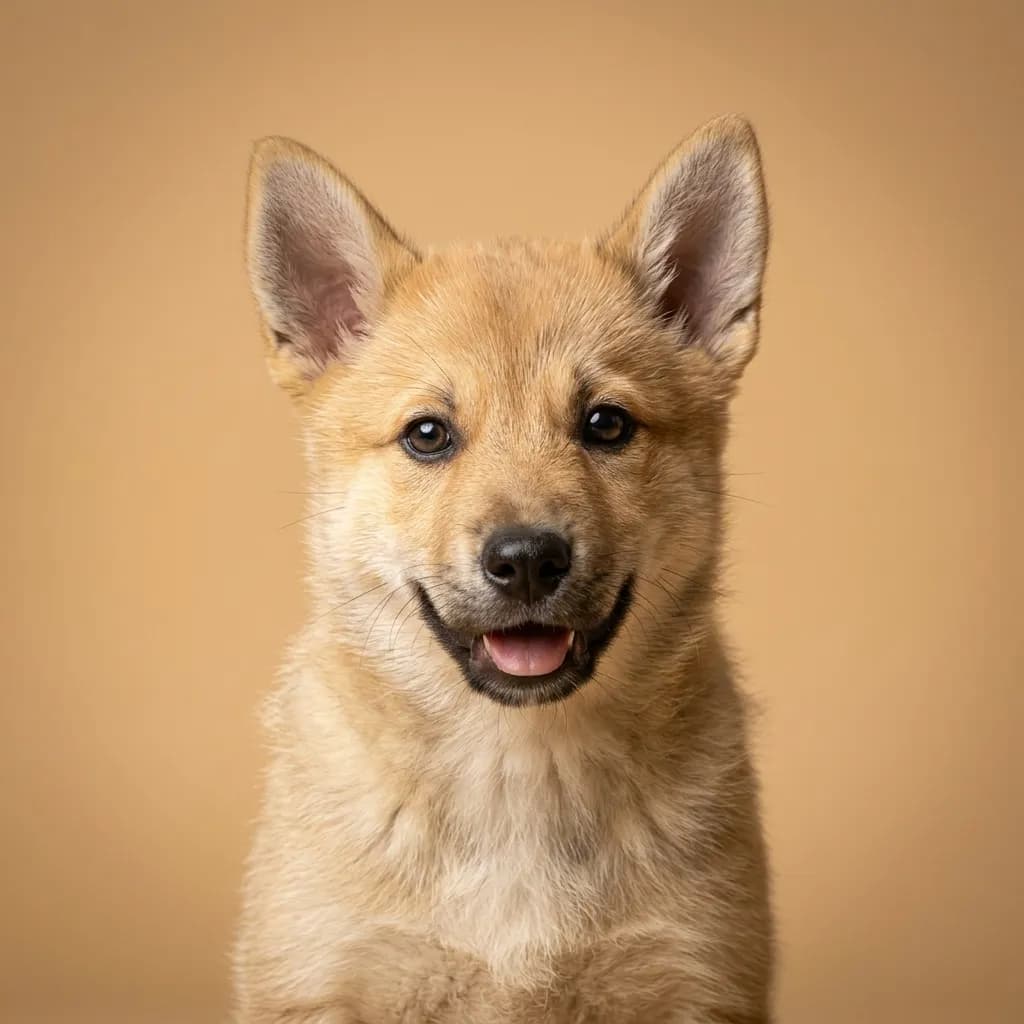
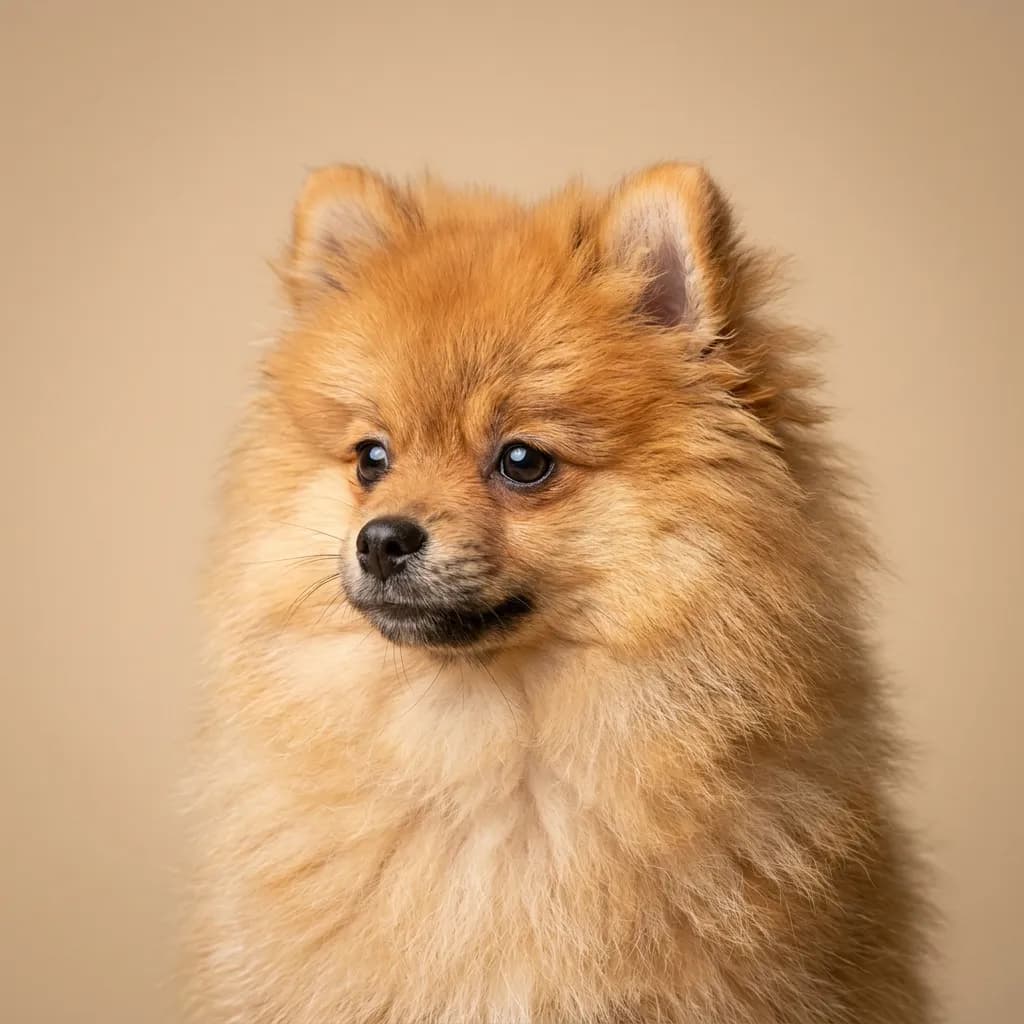
People compare Norwegian Buhunds and Pomeranians because they’re both fluffy, alert, Spitz-type dogs with perky ears and curled tails that look like cousins at a family reunion. But don’t let the resemblance fool you. these breeds live entirely different lives. One was built to work rugged Norwegian farms; the other was pampered in royal courts. The Buhund is a medium-sized herding dog with the stamina of a mountain goat. You’ll need to keep up with him. He’s happiest when he has a job. agility, barn hunts, or long hikes in cold weather. He bonds fiercely with his family and will follow you from room to room like a furry shadow. But he’s not just loud. he’s persistent. If there’s a squirrel at the fence or a delivery truck down the street, you’ll know, because he’ll tell you. Repeatedly. Families who love outdoor adventure and don’t mind a vocal partner will thrive with a Buhund. The Pomeranian, by contrast, is a pocket-sized entertainer. Bold as a terrier but with the fluff of a cloud, he’s perfect for apartment living and adores being the center of attention. He’s just as affectionate but far more portable. That said, he’s not the best fit around toddlers. his tiny frame is fragile, and he can be snappy if startled. And while he sheds less than the Buhund, don’t be fooled. his double coat still needs weekly brushing. Here’s the truth the data won’t tell you: both breeds were bred to alert, not to obey. That means they’re smart enough to argue with you. If you want a dog that genuinely enjoys pleasing you without an attitude, neither is your best bet. But if you want a loyal, expressive companion with real personality. one that looks like a fox and acts like a tiny CEO. the choice comes down to how big a life you want to share.
Trait-by-trait
Higher bar = more of that trait. Shedding, barking, drooling, grooming flipped for readability.Where they diverge
Choose the Norwegian Buhund if…
- Active families
- Cold climate dwellers
- Dog sport enthusiasts
- You value shedding level — Norwegian Buhund scores noticeably higher.
Choose the Pomeranian if…
- Apartment living
- Seniors or retirees
- Those wanting an alert watchdog
- You value coat grooming — Pomeranian scores higher here.