Norwegian Buhund vs Tosa
Side-by-side comparison across all 14 AKC trait ratings, with a clear verdict on which breed fits which kind of household.
Not sure which breed fits your life?
Answer five questions about your home, your schedule, and your tolerance for shedding. We’ll match you to your top three breeds from over 200.
Norwegian Buhund vs Tosa
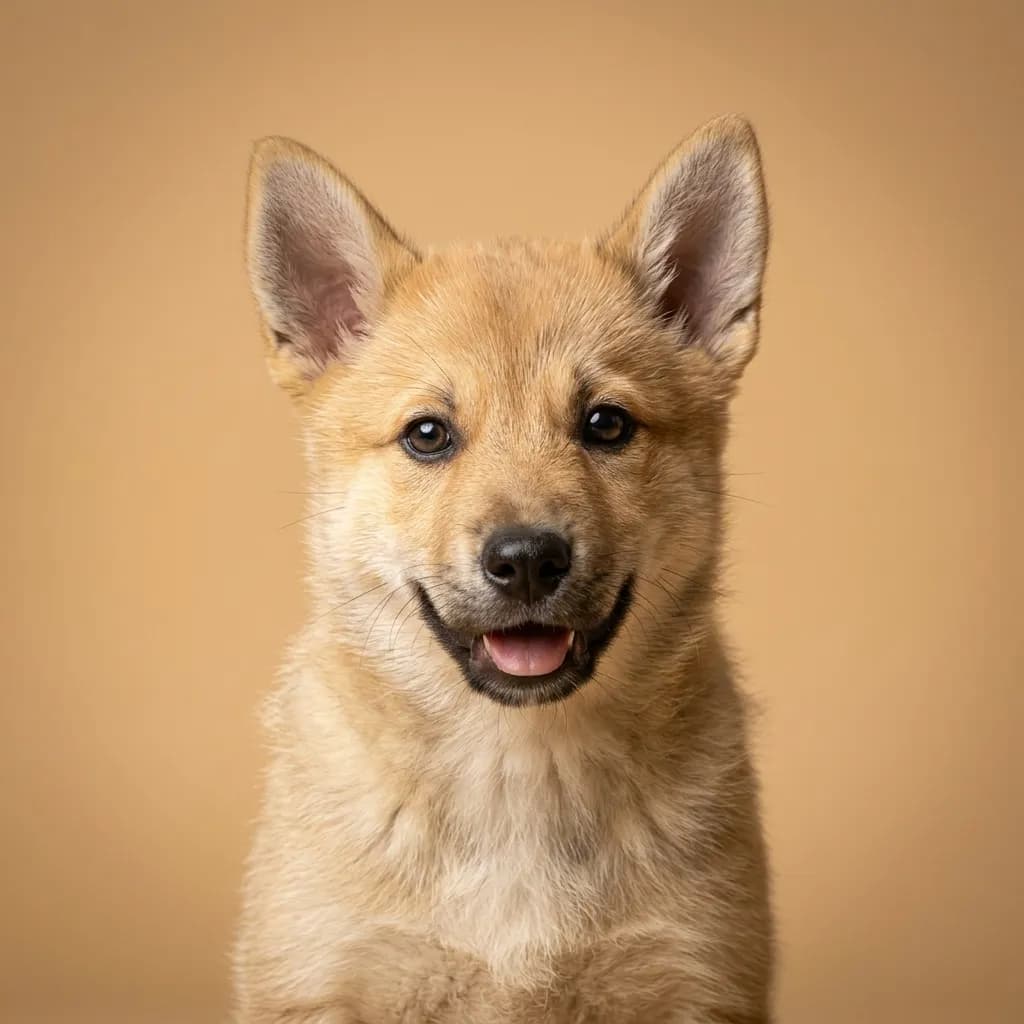
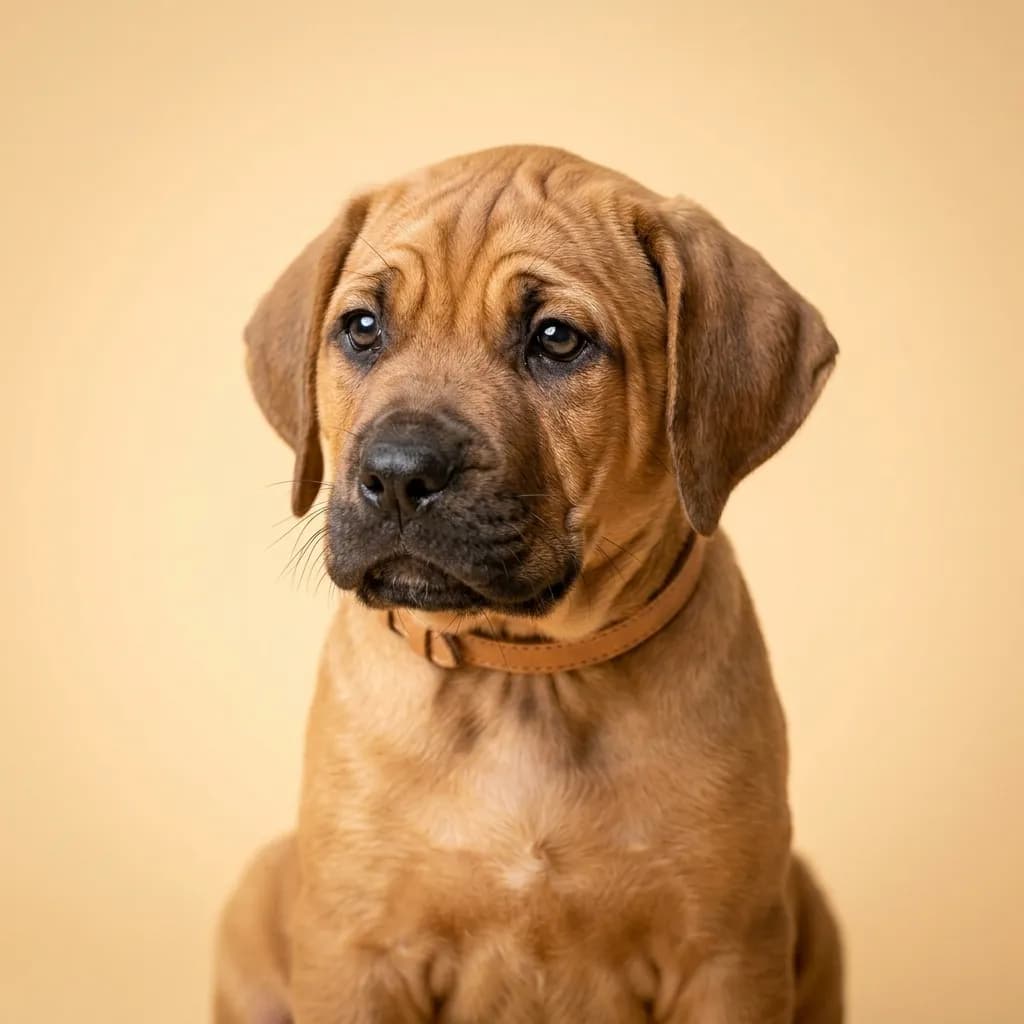
People don’t usually pit a spunky Nordic farm dog against a Japanese giant, but both the Norwegian Buhund and Tosa show up in searches for rare, loyal breeds with strong wills and deep histories. That’s where the similarity ends. One is a compact, high-energy herding dog built for cold weather and constant motion. The other is a massive, quiet guardian with the presence of a mountain and the calm of a monk. once he’s sure you’re family. If you’re active, live where it snows, and want a dog that’s always with you. mentally and physically. the Buhund thrives. He’ll hike, herd, or learn tricks all day but will bark at a falling leaf. He bonds fiercely, yes, but he needs jobs. Leave him alone too long and he’ll reorganize your couch cushions just to stay sane. Kids? Possible, but only with supervision and training. He’s not aggressive, but he’s intense. The Tosa is the opposite kind of commitment. He’s not loud, doesn’t shed much, and moves with deliberate calm. But he’s enormous. 150 pounds of quiet muscle that could knock over a coffee table without meaning to. He’s affectionate with his people, especially if raised with them, but aloof with strangers. Training is slow; he thinks before obeying. And his history as a fighting dog means early socialization isn’t optional. He’s not for small homes, weak handlers, or anyone worried about bloat or a 10-year lifespan. Here’s the real talk: the Buhund will exhaust you with enthusiasm. The Tosa will exhaust you with responsibility. Pick the Buhund if you want a partner in adventure. Pick the Tosa only if you’ve owned big, strong-willed breeds before and have the space, strength, and patience to match. Neither forgives a rookie mistake.
Trait-by-trait
Higher bar = more of that trait. Shedding, barking, drooling, grooming flipped for readability.Where they diverge
Choose the Norwegian Buhund if…
- Active families
- Cold climate dwellers
- Dog sport enthusiasts
- You value good with other dogs — Norwegian Buhund scores noticeably higher.
Choose the Tosa if…
- very experienced large-breed owners
- homes with secure property
- owners seeking a calm giant breed companion
- You value drooling level — Tosa scores higher here.