Norwegian Lundehund vs Rottweiler
Side-by-side comparison across all 14 AKC trait ratings, with a clear verdict on which breed fits which kind of household.

Not sure which breed fits your life?
Answer five questions about your home, your schedule, and your tolerance for shedding. We’ll match you to your top three breeds from over 200.
Norwegian Lundehund vs Rottweiler
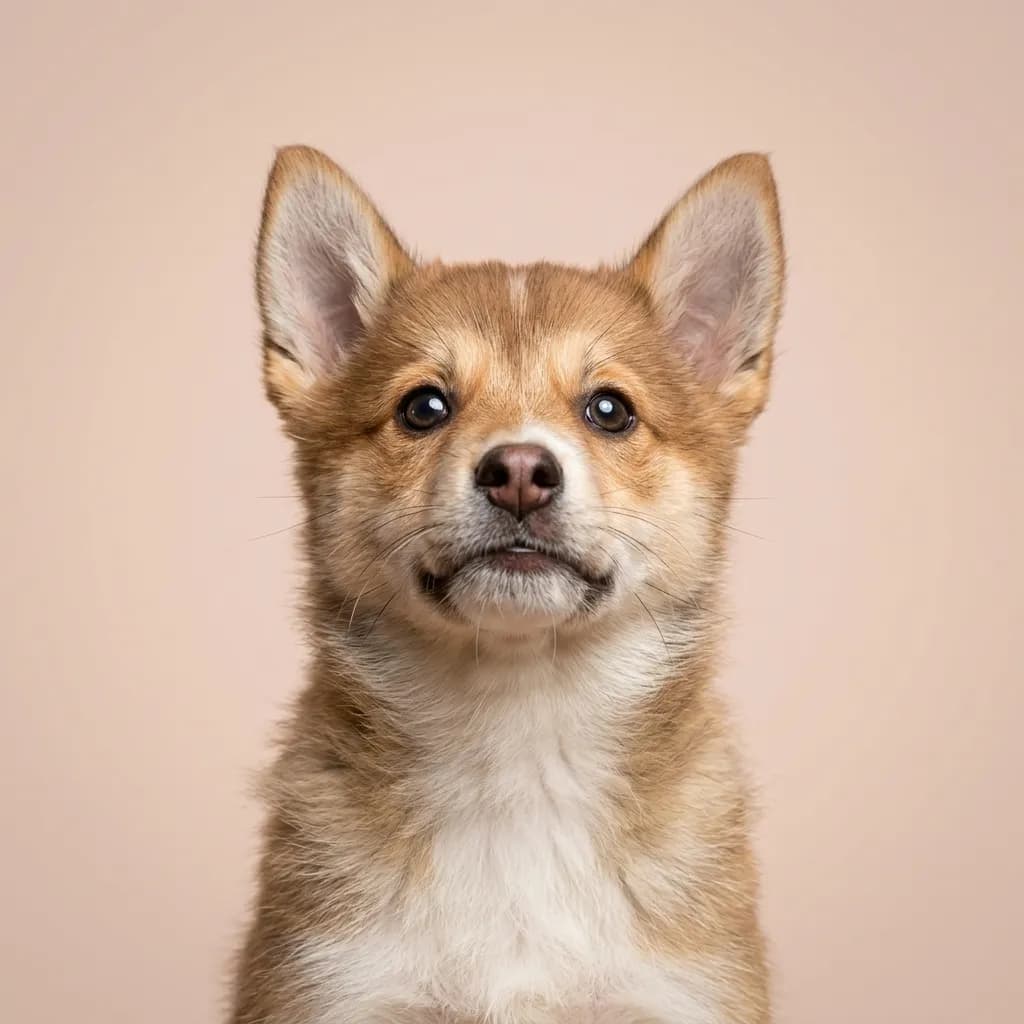
You’re not going to find two dogs more different than a Norwegian Lundehund and a Rottweiler unless you’re comparing a chihuahua to a moose. So why do people pit them against each other? Usually because they’re both rare, both loyal, and both come with a “wait, what?” factor at the dog park. But that’s where the similarities end. The Lundehund is a six-toed mountain acrobat from Norway, built to scramble up sea cliffs to snag puffins. At 20 to 30 pounds, he’s wiry, curious, and just stubborn enough to make training a negotiation. He’s affectionate but reserved, energetic but not hyper, and comes with a big caveat: Lundehund Syndrome. That means you’ll need a vet who knows gastrointestinal issues inside and out. This dog isn’t for someone who wants obedience ribbon wins. He’s for the person who loves a puzzle, who hikes in snow, and who doesn’t mind a dog that’s part scientist, part escape artist. The Rottweiler? He’s the powerhouse with a heart of gold. At 80 to 135 pounds, he’s built like a tank but moves like a dancer. Bred to drive cattle and guard carts, he thrives on structure, training, and a job. He’s deeply affectionate with his family, incredibly trainable, and calm indoors. when exercised. But he needs space, leadership, and early socialization. Without it, his confidence turns into overprotection. Here’s the real talk: the Lundehund is a niche breed for niche people. The Rottweiler is a commitment to responsibility. Pick the Lundehund if you want a rare, agile companion with ancient roots and delicate health. Pick the Rottweiler if you want a devoted protector who’ll shadow you through life. but only if you’re ready to lead.
Trait-by-trait
Higher bar = more of that trait. Shedding, barking, drooling, grooming flipped for readability.Where they diverge
Choose the Norwegian Lundehund if…
- Experienced dog owners
- Those interested in rare breeds
- Active families
- You value barking level — Norwegian Lundehund scores noticeably higher.
Choose the Rottweiler if…
- Experienced dog owners
- Active families
- Protection and working dog roles
- You value affectionate w/ family — Rottweiler scores higher here.