Norwich Terrier vs Puli
Side-by-side comparison across all 14 AKC trait ratings, with a clear verdict on which breed fits which kind of household.
Not sure which breed fits your life?
Answer five questions about your home, your schedule, and your tolerance for shedding. We’ll match you to your top three breeds from over 200.
Norwich Terrier vs Puli
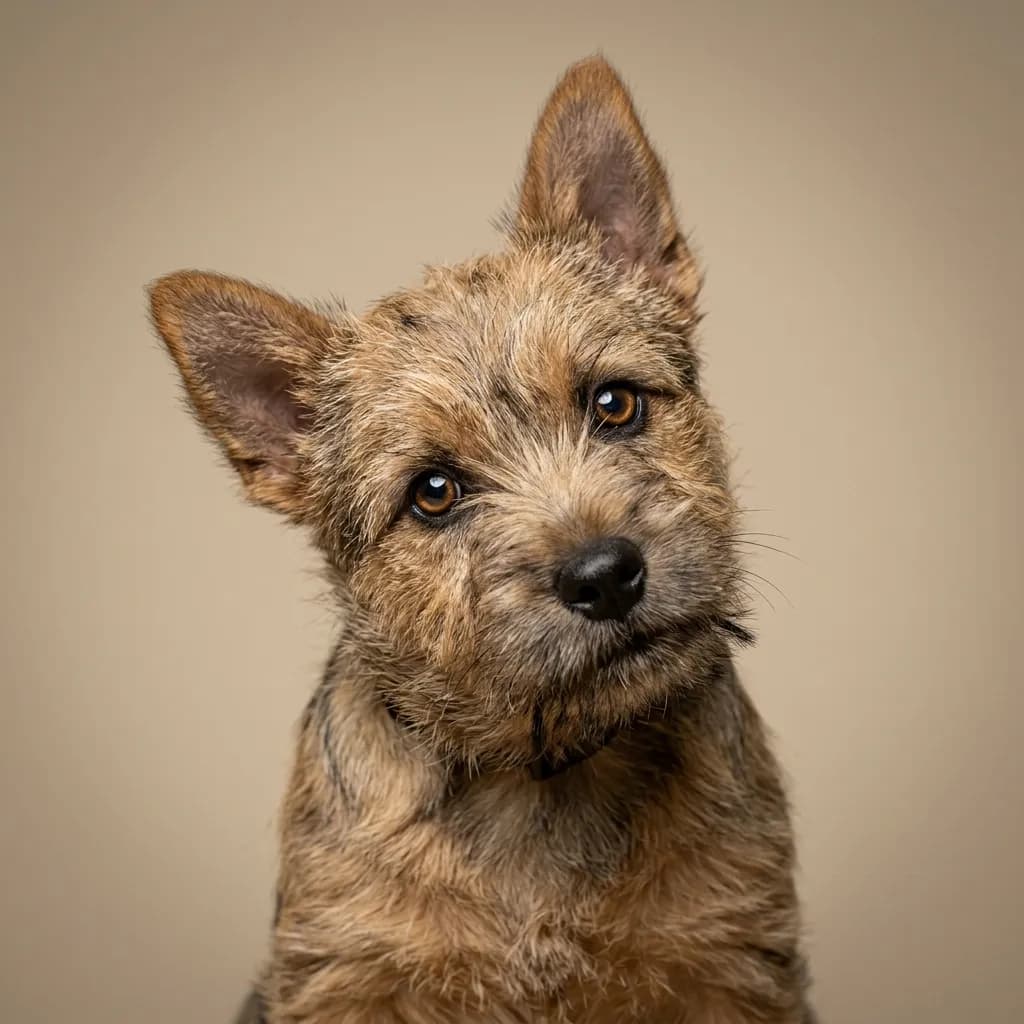
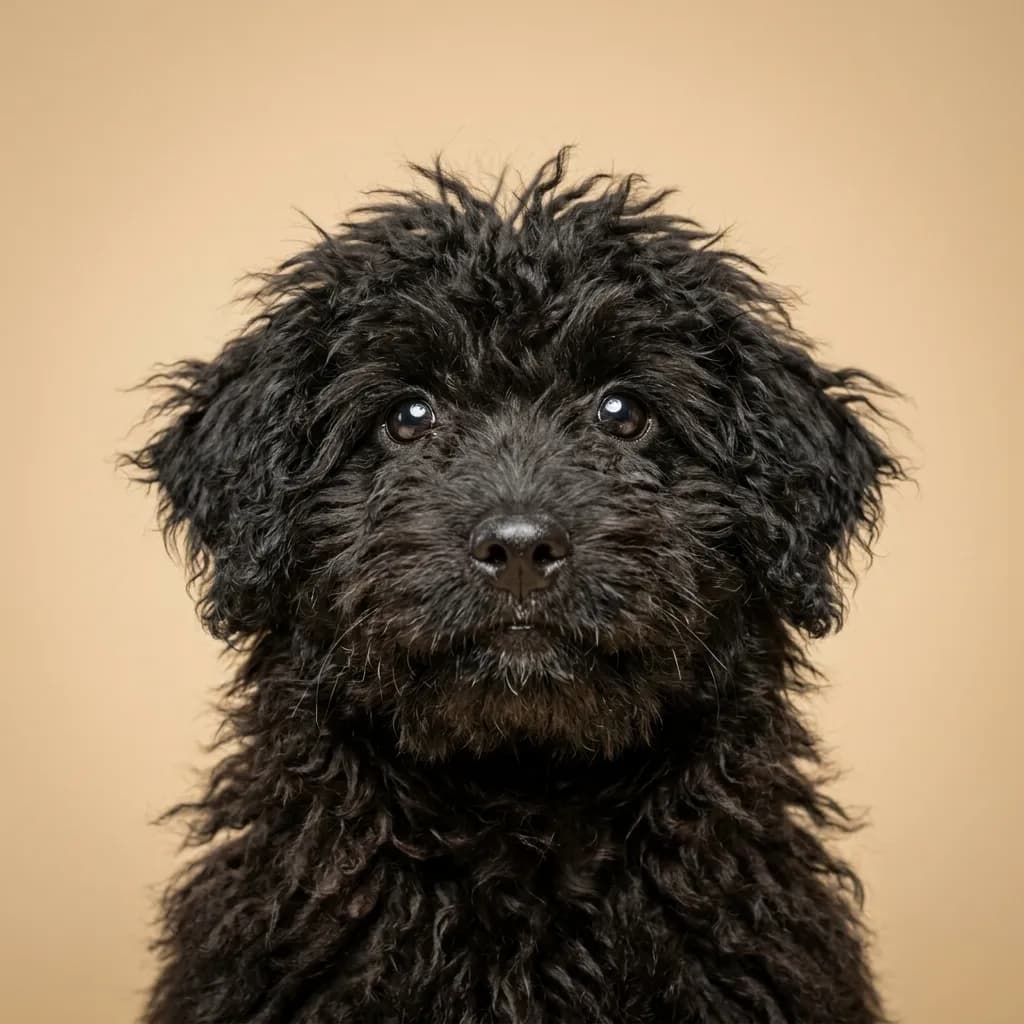
People usually stumble on the Norwich Terrier and Puli when they’re after something unusual, energetic, and deeply loyal. maybe they’ve had a terrier before and want that spark again, or they fell in love with the Puli’s dreadlocked fluff on Instagram. But these two couldn’t be more different once you live with them. The Norwich is a tiny tornado. just 12 pounds but packed with outsized confidence. He’ll bark at squirrels like he’s personally offended, needs daily puzzles and sprints, and bonds tightly with older kids and adults alike. He’s not subtle. He’s the dog that’ll wake you up at 6 a.m. demanding a game of chase, even in an apartment. And if you have a hamster? Forget it. His vermin-hunting instincts are very much alive. The Puli, meanwhile, looks like a mop with eyes but moves like a seasoned strategist. He’s bigger, sturdier, and bred to work independently for hours herding sheep across open fields. That means he’s smart in a “read your mind” kind of way and thrives when he has a job. obedience, agility, even barn hunt. But he’s not as naturally outgoing with kids, and his coat? It’s not just high-maintenance, it’s a lifelong commitment. You’re either committed to daily separation of cords or learning how to maintain them properly. No shortcuts. Active families who want a sturdy, trainable partner and don’t mind grooming should go Puli. But if you want a feisty, affectionate little daredevil who fits in a tote bag and doesn’t need an hour-long grooming session every week, the Norwich is your guy. Here’s the real talk: the Puli may look weirder, but the Norwich is the harder personality to handle. That terrier stubbornness? It’s like living with a very loving, very opinionated toddler who never grows up.
Trait-by-trait
Higher bar = more of that trait. Shedding, barking, drooling, grooming flipped for readability.Where they diverge
Choose the Norwich Terrier if…
- Active families
- Apartment or small home living
- Families with older children
- You value good with young children — Norwich Terrier scores noticeably higher.
Choose the Puli if…
- Active families
- Experienced dog owners
- Those wanting a unique coat
- You value coat grooming — Puli scores higher here.