Norwich Terrier
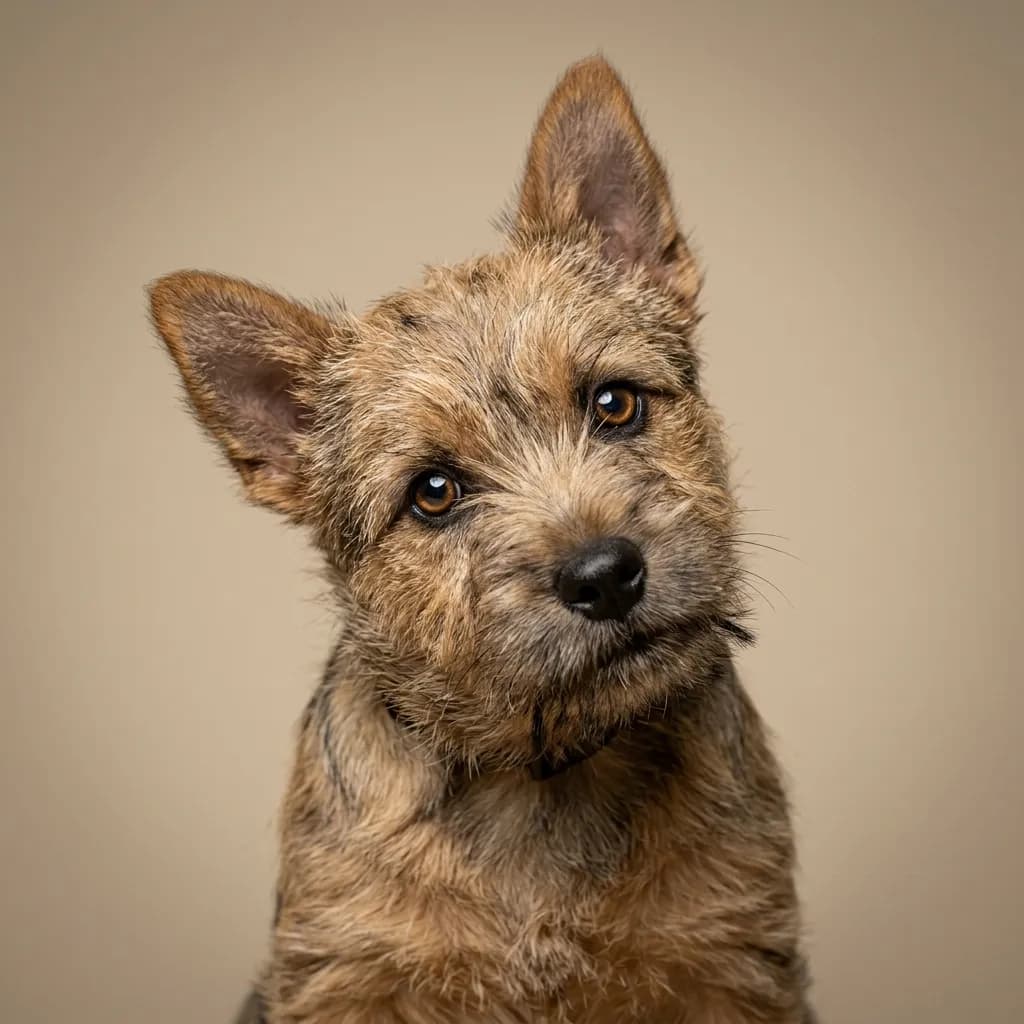
One of the smallest working terriers, with a round head, prick ears, and the heart of a much bigger dog — game, alert, and perpetually up for an adventure. Unlike the Norfolk (dropped ears), the Norwich stands its ears erect and tends to be slightly bolder in temperament. Adaptable enough for apartment life if exercised, they'll remind you daily that small doesn't mean low-energy.
Free weekly training plan, specific to your Norwich Terrier’s age. Exactly what to focus on this week.
Get your free training planLiving with a Norwich Terrier
The Norwich Terrier is the feisty little powerhouse that packs a surprising amount of dog into just 12 pounds. Originating in England as a barnyard ratter and fox-flusher, these small but fearless terriers were bred to go after vermin with relentless courage. Don’t let their size fool you.
This is a dog that once worked alongside hunters, and that bold spirit still lives in every bounce and bark. Day to day, a Norwich is affectionate, deeply attached, and always tuned into what’s happening around them. They’re alert and curious, which means they notice everything, the squirrel three streets over, the neighbor’s cat, the crinkle of a treat bag.
You’ll get all the love and loyalty of a devoted companion, but also a dog that barks at the mail carrier like it’s a national emergency. They’re great with older kids who understand how to respect small dogs, but their high prey drive means homes with pet rats, hamsters, or even small cats are asking for trouble. These dogs have energy rated 4 out of 5 and they mean it.
They don’t need marathon runs, but they do need daily walks, play sessions, and mental challenges. Without enough stimulation, they’ll start digging up your houseplants or figuring out how to steal food off the counter. Puzzle toys, short training drills, and dog sports like agility or barn hunt are perfect outlets.
They adapt well to apartment living as long as you meet their exercise needs. Grooming isn’t a nightmare, shedding is moderate, but they do need brushing weekly and hand-stripping a few times a year to keep that wiry coat in good form. If you’re into spa days and brushing, fine.
But if you hate grooming routines, you’ll resent the upkeep. Health-wise, they’re generally sturdy but watch for upper airway syndrome (especially in warmer climates), mitral valve disease, and epilepsy. Reputable breeders do cardiac and genetic testing, so don’t skip health clearances.
Lifespan is solid. 12 to 15 years, so you’re in it for the long haul. They’re ideal for active families, dog sport fans, or city dwellers with time to invest.
Not for the noise-averse or anyone wanting a lap-only dog. Here’s the real talk: Norwich Terriers aren’t just pets. They’re tiny, opinionated family members who’ll boss you around with charm and a wagging tail.
If you want a dog with big-dog attitude in a compact size, they’re magic. But they’re not background players. They want a role in your life, every single day.
14 traits, at a glance.
Every breed on PuppyBase is rated across the 14 trait dimensions the American Kennel Club publishes — from trainability to drooling level. The higher the score, the better the fit for that trait.
What to expect day-to-day
Things to screen for
- Hip dysplasia
- Patellar luxation
- Upper airway syndrome
- Epilepsy
- Mitral valve disease
See a full price breakdown — first-year costs, lifetime estimate, breeder vs. adoption.
Full price guideSimilar breeds
Browse all 200+


Common questions
How long do Norwich Terriers live?
Norwich Terriers typically live between 12 and 15 years, which is a solid lifespan for a small dog. With proper care, many stay active and healthy well into their teens.
How much does a Norwich Terrier puppy cost?
You'll usually pay between $2,000 and $4,500 for a Norwich Terrier puppy from a responsible breeder. The average price is around $3,000, reflecting their rarity and breeding standards.
How much do Norwich Terriers shed?
Norwich Terriers shed moderately year-round. Their wiry coat doesn't leave clumps everywhere, but you'll still need regular brushing to manage loose hair.
What colors do Norwich Terriers come in?
They come in red, red wheaten, grizzle, and black and tan. All variations have a distinct, earthy terrier look with a weather-resistant coat.
How big do Norwich Terriers get?
They stand 9 to 10 inches tall and weigh 11 to 12 pounds, making them one of the smallest working terriers. Don't let their size fool you—they're compact and sturdy, not delicate.
Are Norwich Terriers smart?
Yes, they're very intelligent and thrive on mental challenges. They'll learn new commands in 15 to 25 repetitions and love dog sports that test their problem-solving skills.
Are Norwich Terriers hypoallergenic?
No, Norwich Terriers are not hypoallergenic. While they don't shed excessively, they still produce dander that can trigger allergies in sensitive individuals.
Are Norwich Terriers aggressive?
They're not inherently aggressive but are bold and gamey by nature. Early socialization is key, especially around other dogs, since they can be scrappy if not properly introduced.
What health problems are common in Norwich Terriers?
Common issues include upper airway syndrome, mitral valve disease, epilepsy, hip dysplasia, and patellar luxation. Regular vet checkups are important to catch problems early.
Do Norwich Terriers bark a lot?
Yes, they bark frequently. They're alert and vocal dogs, quick to sound the alarm at anything unfamiliar, so expect some noise if you live in close quarters.
Are Norwich Terriers easy to train?
They're moderately easy to train—bright but stubborn. Consistency and positive reinforcement work best, as harsh methods will shut them down or spark defiance.
Are Norwich Terriers good family dogs?
They're excellent with active families and older children who understand how to handle small dogs. They're affectionate and loyal, but their high energy means they need engagement.
Are Norwich Terriers good with cats?
They're not reliable with cats or small pets due to their strong prey drive. Bred to hunt vermin, they may chase or harass animals they view as prey, even in a home setting.
Can Norwich Terriers live in apartments?
Yes, they adapt well to apartment living as long as they get daily exercise and mental stimulation. Their small size helps, but their energy and bark mean you can't skip walks or playtime.
Do Norwich Terriers have breathing problems?
Some do, particularly due to upper airway syndrome, which can affect their breathing during exertion or in hot weather. It's a known health concern that responsible breeders screen for.
When do Norwich Terriers calm down?
They tend to stay high-energy well into adulthood and rarely calm down significantly. Even as adults, they remain playful and alert, needing daily activity to stay balanced.
Not sure which breed fits your life?
Answer five questions about your home, your schedule, and your tolerance for shedding. We’ll match you to your top three breeds from over 200.