Nova Scotia Duck Tolling Retriever vs Shikoku
Side-by-side comparison across all 14 AKC trait ratings, with a clear verdict on which breed fits which kind of household.
Not sure which breed fits your life?
Answer five questions about your home, your schedule, and your tolerance for shedding. We’ll match you to your top three breeds from over 200.
Nova Scotia Duck Tolling Retriever vs Shikoku
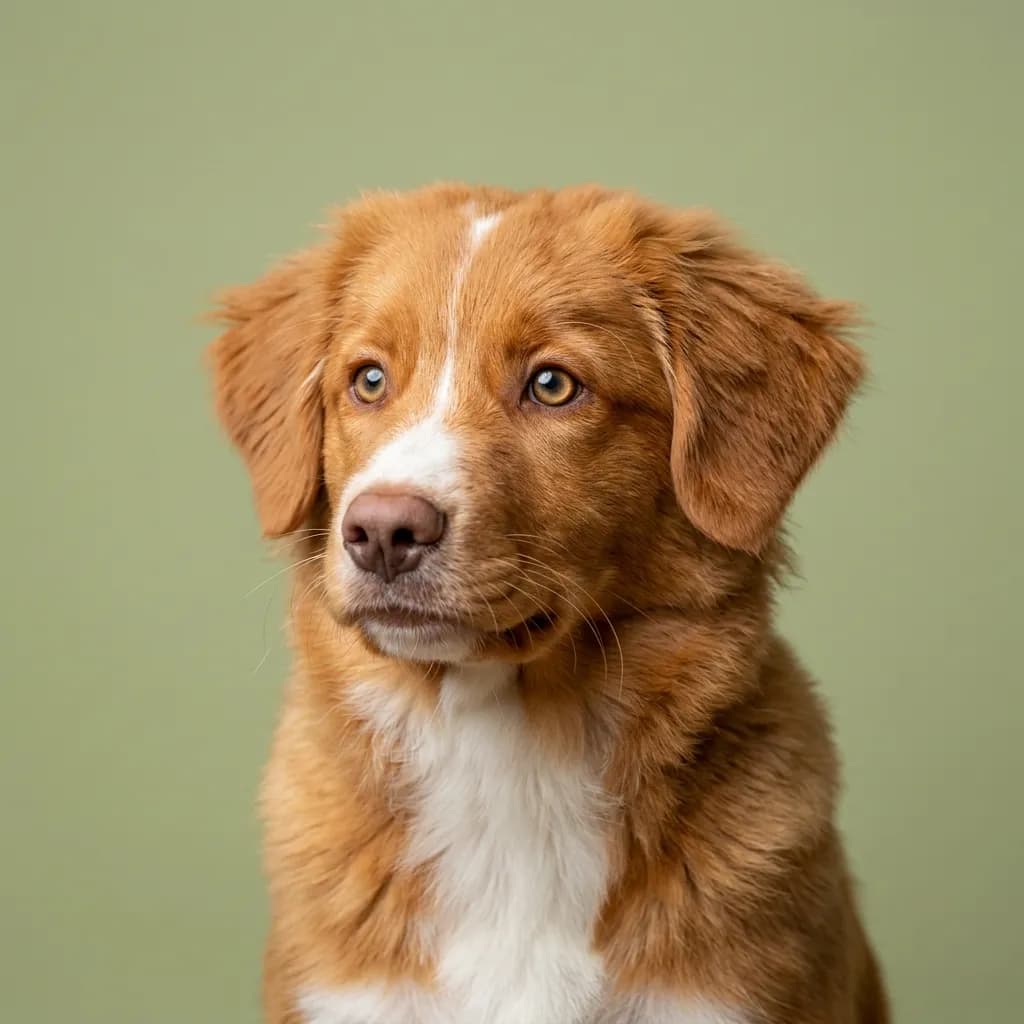
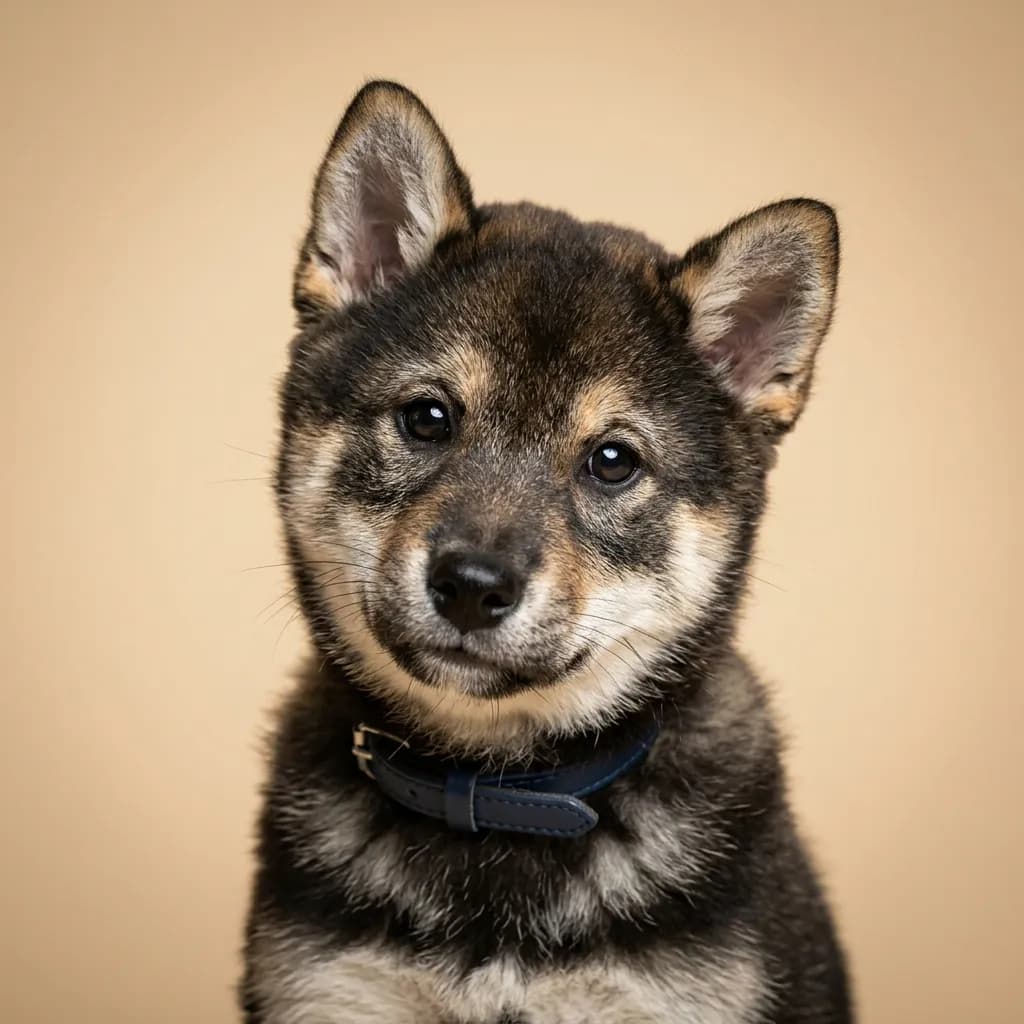
People compare Tollers and Shikokus because they’re both medium-sized, athletic dogs with striking looks and rarity appeal. But that’s where the similarity ends. You’re not choosing between two sides of the same coin. You’re picking between a golden retriever’s lively cousin and a wolf-like mountain hunter with a mind of its own. The Toller thrives on partnership. He’ll sprint beside you on a trail, then leap into a freezing lake to fetch a duck, all with a grin. He bonds deeply with families, adores kids, and actually gets sad if left out. His energy isn’t just physical. it’s mental. This dog needs jobs, puzzles, agility courses, or daily swims. Without them, he’ll redecorate your couch with teeth marks. He’s trainable because he wants to please, but that also means he feels stress if yelled at or ignored. The Shikoku is different. He’s not trying to please you. he’s assessing you. Bred to work solo in rugged terrain, he’s independent, cautious with strangers, and can be aloof even with family. He’s not aggressive, but his prey drive is high. That squirrel? He’s calculating the chase. Kids under ten might overwhelm him. He’s less adaptable, too. A fenced yard is non-negotiable. And while he’s active, his energy isn’t constant like the Toller’s. it’s bursts of intensity, then quiet observation. Here’s the real talk: Tollers are high-maintenance in time and attention, but they’re predictable. Shikokus are lower-key physically but emotionally complex. You don’t own a Shikoku. You earn his respect. Pick the Toller if you want an affectionate, trainable adventure buddy. Pick the Shikoku if you’re experienced, patient, and want a dog that feels a little wild at heart.
Trait-by-trait
Higher bar = more of that trait. Shedding, barking, drooling, grooming flipped for readability.Where they diverge
Choose the Nova Scotia Duck Tolling Retriever if…
- Active families
- Outdoor and water enthusiasts
- Dog sport enthusiasts
- You value affectionate w/ family — Nova Scotia Duck Tolling Retriever scores noticeably higher.
Choose the Shikoku if…
- Experienced dog owners
- Active outdoor enthusiasts
- Those wanting a primitive, independent breed
- You value coat grooming — Shikoku scores higher here.