Otterhound vs Rhodesian Ridgeback
Side-by-side comparison across all 14 AKC trait ratings, with a clear verdict on which breed fits which kind of household.
Not sure which breed fits your life?
Answer five questions about your home, your schedule, and your tolerance for shedding. We’ll match you to your top three breeds from over 200.
Otterhound vs Rhodesian Ridgeback
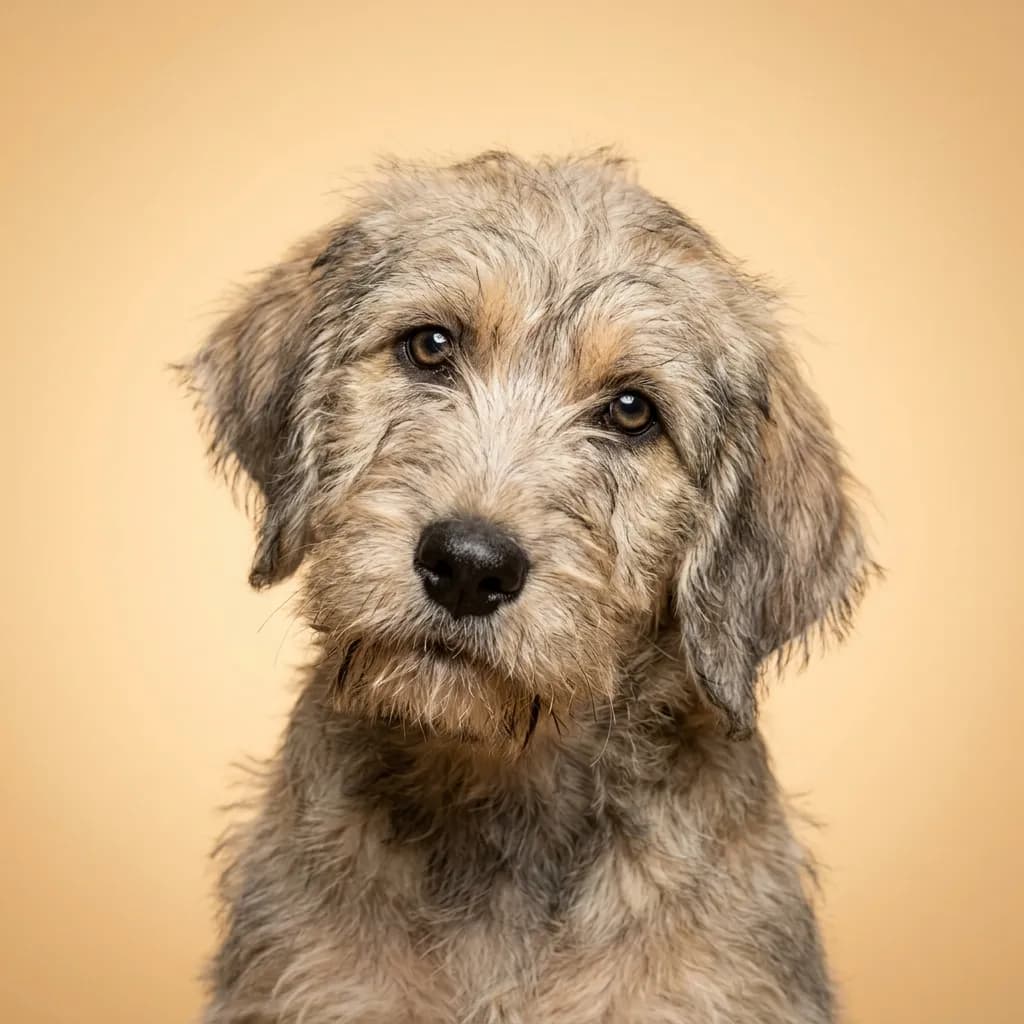
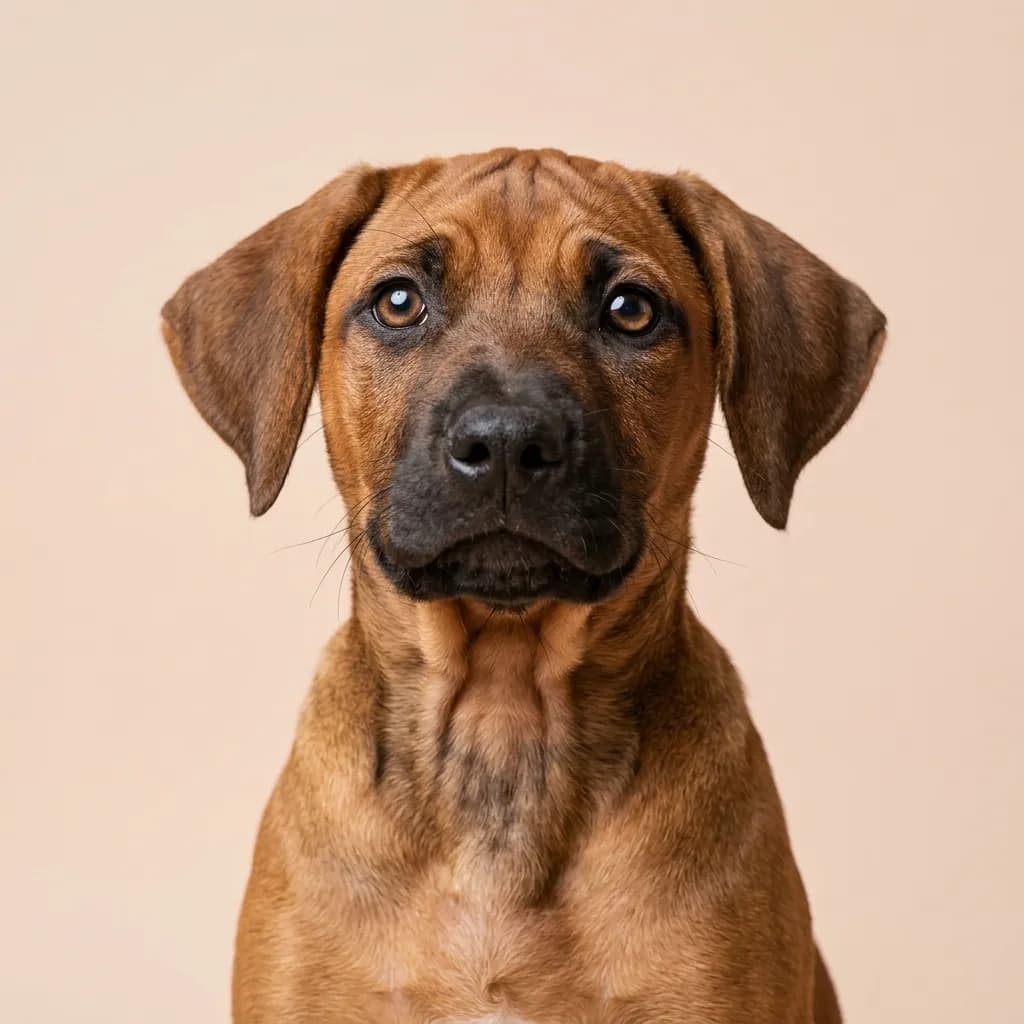
People compare Otterhounds and Rhodesian Ridgebacks because they’re both big, independent-minded hounds with a job to do. and a price tag that says “serious commitment.” But that’s where the similarities fade. If you’re torn between them, you’re really choosing between a slobbery, enthusiastic river rat and a sleek, dignified lion hunter. The Otterhound’s bark is relentless. It’s not just loud, it’s constant, built into their DNA for calling game through foggy riverbanks. You’ll hear them often, and so will your neighbors. They’re goofy, affectionate, and utterly unpredictable off-leash. once they catch a scent, they’re gone. You won’t call them back. But they’ll drool on your kids and love them anyway, even if they aren’t the most kid-tuned breed. Rhodesian Ridgebacks are the quiet giants. They bark rarely, move with grace, and carry themselves like royalty. They're fiercely loyal and naturally protective, making them excellent with families. especially ones with older kids who understand boundaries. They won’t track mud in just for fun, but they will out-think you during training. These dogs need mental challenge, not just miles. Here’s the real talk: Otterhounds are vanishingly rare, and owning one feels like stewarding a living relic. Ridgebacks are more predictable, but their independence can frustrate first-time owners. Choose the Otterhound if you live on acreage, don’t mind a stinky, sopping dog after every rain, and want a breed you’ll never see at the dog park. Pick the Ridgeback if you want a loyal, athletic companion who’ll run with you, guard your home, and still look like he owns the place.
Trait-by-trait
Higher bar = more of that trait. Shedding, barking, drooling, grooming flipped for readability.Where they diverge
Choose the Otterhound if…
- Active families
- Rural settings
- Outdoor and swimming enthusiasts
- You value barking level — Otterhound scores noticeably higher.
Choose the Rhodesian Ridgeback if…
- Active experienced owners
- Running and hiking companions
- Families with older children
- You value good with young children — Rhodesian Ridgeback scores higher here.