Otterhound vs Spinone Italiano
Side-by-side comparison across all 14 AKC trait ratings, with a clear verdict on which breed fits which kind of household.

Not sure which breed fits your life?
Answer five questions about your home, your schedule, and your tolerance for shedding. We’ll match you to your top three breeds from over 200.
Otterhound vs Spinone Italiano
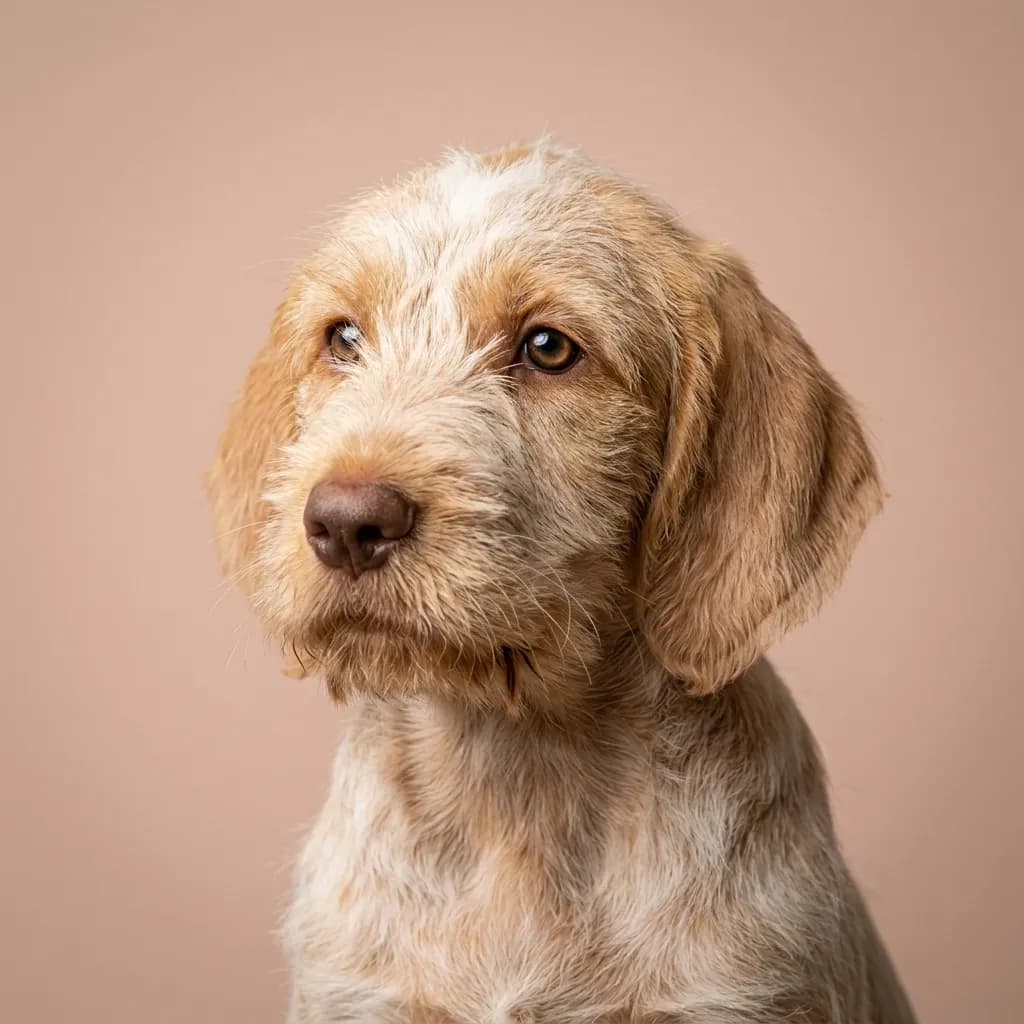
You don’t see a lot of Otterhounds or Spinoni at the dog park, so when someone’s comparing them, it’s usually because they’ve fallen for a rare, shaggy-faced gundog with a soft heart and a lot of slobber. Both are big, gentle, built for long days outdoors, and about as far from a designer breed as you can get. But that’s where the postcard similarities end. The Otterhound was literally built to go solo, baying loudly while tracking otters through English rivers. That independence lingers. They’re boisterous, loud (think five-out-of-five barking), and notoriously unreliable off-leash. If you’re hiking near streams and don’t mind a dog that smells like a wet wellington boot, they’re magical. But they demand space, activity, and an owner who accepts that “come” might be a suggestion. The Spinone is the quiet philosopher by comparison. Bred to point and retrieve in the Italian Alps, they’re steady, soft-mouthed, and deeply biddable. They bark less, adapt slightly better to suburban life, and form quiet, velcro-like bonds with their people. They’re not as rare as Otterhounds, but still uncommon enough that you’ll get questions. Here’s the real difference beyond the numbers: the Otterhound will love you but do its own thing. The Spinone wants to please, even if it takes a little longer to learn. If you want a dog that’s a true partner in the field and tolerates kids with saintly patience, go Spinone. If you want a hilarious, rumpled character with a voice like a foghorn and don’t mind the chaos, the Otterhound’s your hound. Just don’t expect it to come when called.
Trait-by-trait
Higher bar = more of that trait. Shedding, barking, drooling, grooming flipped for readability.Where they diverge
Choose the Otterhound if…
- Active families
- Rural settings
- Outdoor and swimming enthusiasts
- You value barking level — Otterhound scores noticeably higher.
Choose the Spinone Italiano if…
- Active hunting families
- Those wanting a gentle, patient breed
- Families with children
- You value good with other dogs — Spinone Italiano scores higher here.