Otterhound vs Stabyhoun
Side-by-side comparison across all 14 AKC trait ratings, with a clear verdict on which breed fits which kind of household.
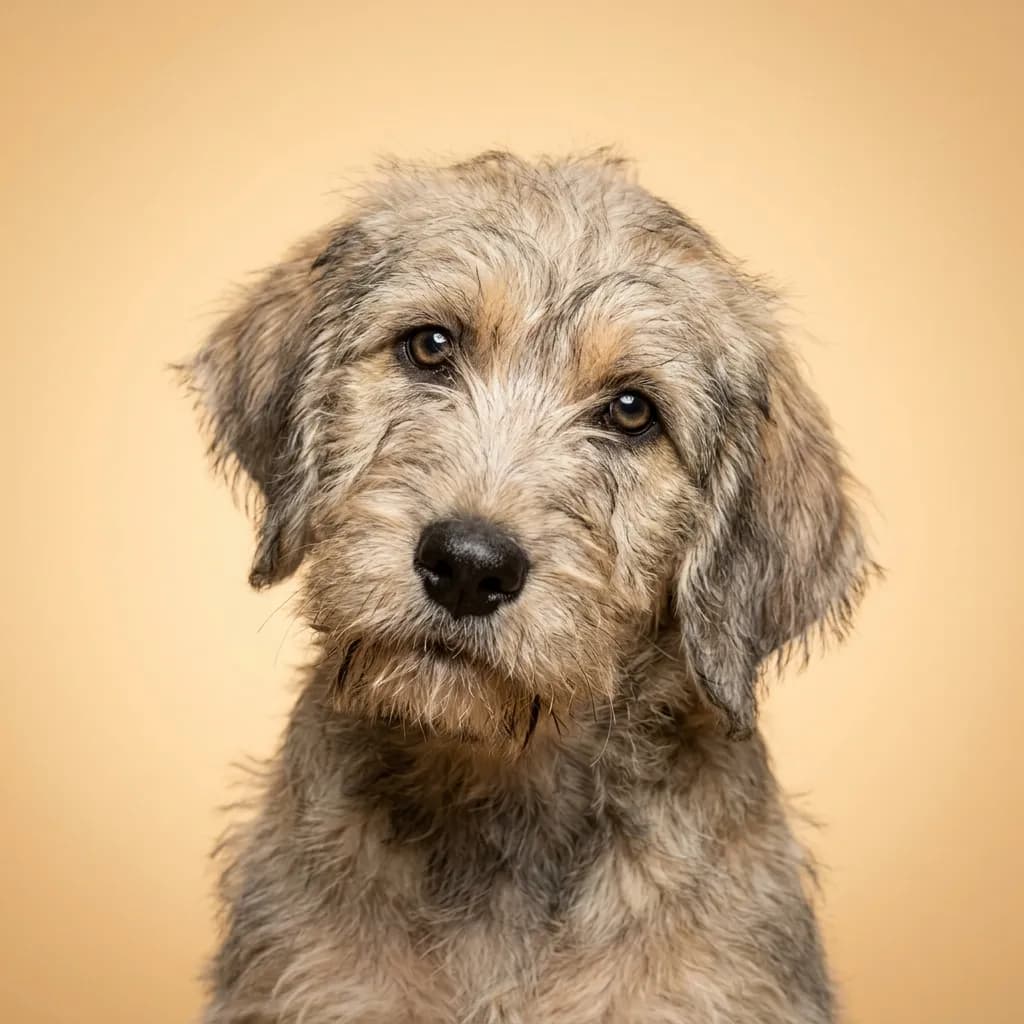
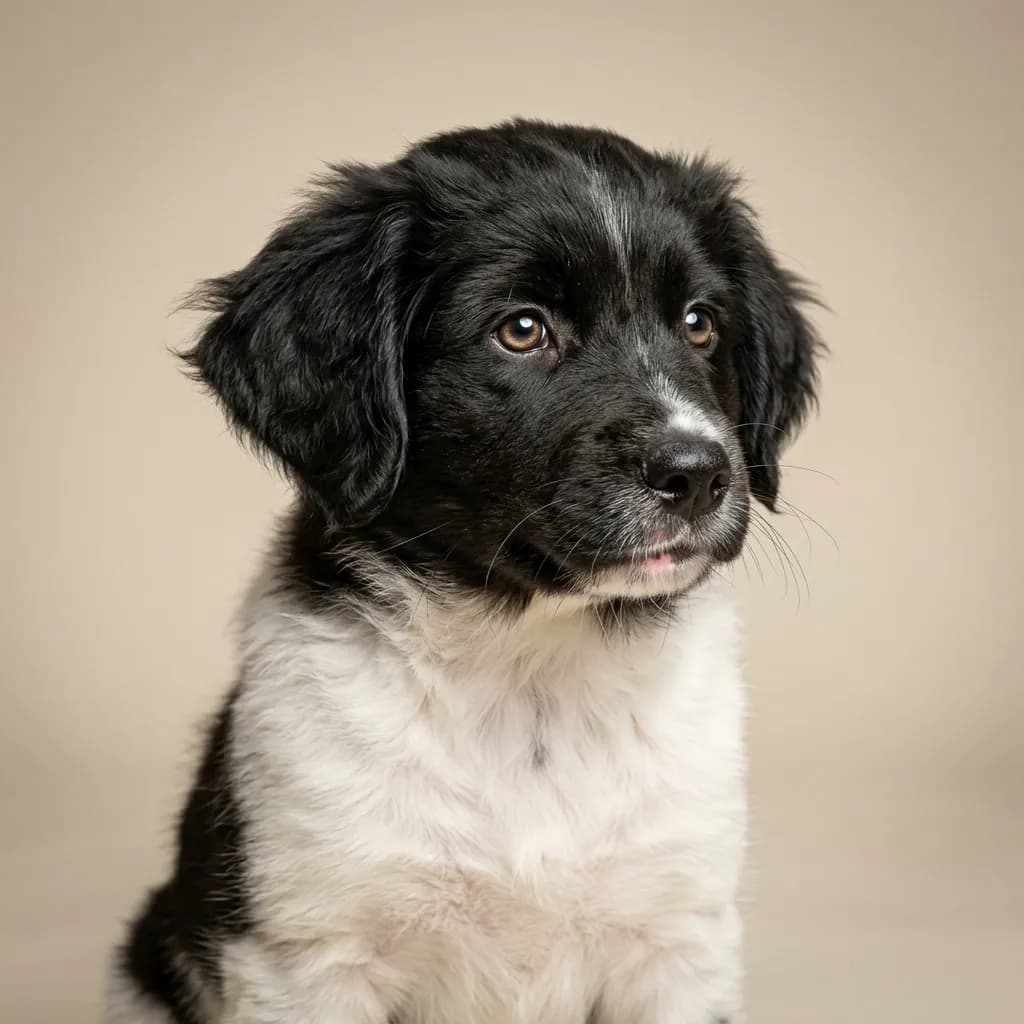
Not sure which breed fits your life?
Answer five questions about your home, your schedule, and your tolerance for shedding. We’ll match you to your top three breeds from over 200.
Otterhound vs Stabyhoun
You don’t see people comparing Otterhounds and Stabyhouns at dog parks. mostly because you don’t see many of either. But if you’re deep in the weeds of rare breeds and want a big-hearted, active dog with history in the field, these two come up. Both are rare, both are loyal, and both will bond tightly with their people. But that’s where the similarities end. The Otterhound is the boisterous, shaggy cousin who shows up smelling like wet dog and river mud. They’re big, loud, and built for tracking otters through English waterways. You’ll need space, patience for barking, and tolerance for drool on your sleeve. They’re amiable but stubborn in that classic hound way. trainable if you’re consistent, but don’t expect a recall like a Border Collie. They’re affectionate giants, yes, but not for city living or neat freaks. The Stabyhoun, in contrast, is the quiet, thoughtful athlete from the Netherlands. Sleeker, lighter, and far less smelly, they’re built for versatility. pointing, retrieving, even pulling carts on Frisian farms. They’re eager to please, quieter, and surprisingly adaptable for a sporting breed. With kids, they’re golden. With routines, they thrive. But don’t be fooled by their calm eyes. they need real mental and physical work, or they’ll find their own job (like redecorating your garden). Pick the Otterhound if you live on acreage, love messy outdoor adventures, and don’t mind a dog that sounds like a foghorn. Choose the Stabyhoun if you want a trainable, family-friendly partner for dog sports or hunting trips and can provide daily engagement. Here’s the real talk: neither breed forgives neglect. But the Stabyhoun will remember every moment you spent with them. and it shows in how they work for you.
Trait-by-trait
Higher bar = more of that trait. Shedding, barking, drooling, grooming flipped for readability.Where they diverge
Choose the Otterhound if…
- Active families
- Rural settings
- Outdoor and swimming enthusiasts
- You value barking level — Otterhound scores noticeably higher.
Choose the Stabyhoun if…
- active families
- hunters and waterfowl retrievers
- dog sport enthusiasts
- You value good with young children — Stabyhoun scores higher here.