Otterhound vs Thai Ridgeback
Side-by-side comparison across all 14 AKC trait ratings, with a clear verdict on which breed fits which kind of household.
Not sure which breed fits your life?
Answer five questions about your home, your schedule, and your tolerance for shedding. We’ll match you to your top three breeds from over 200.
Otterhound vs Thai Ridgeback
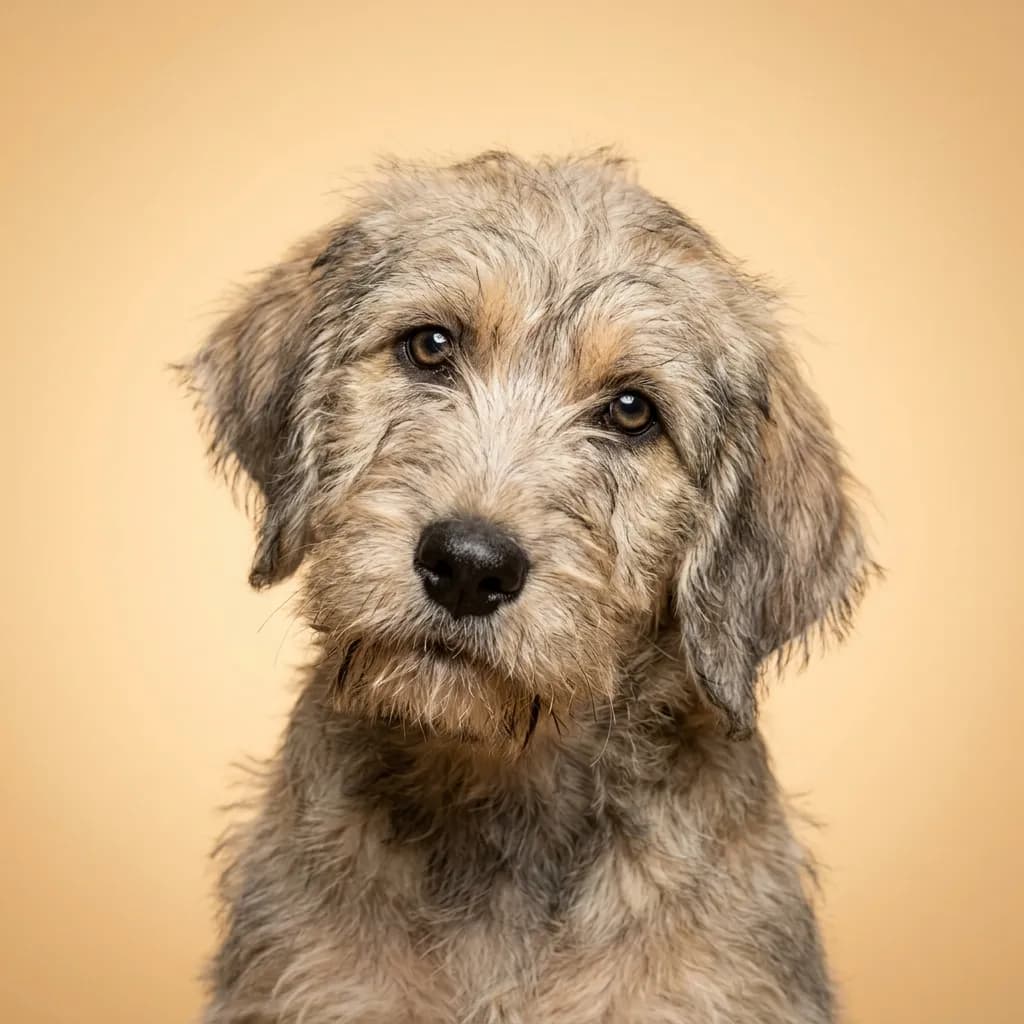
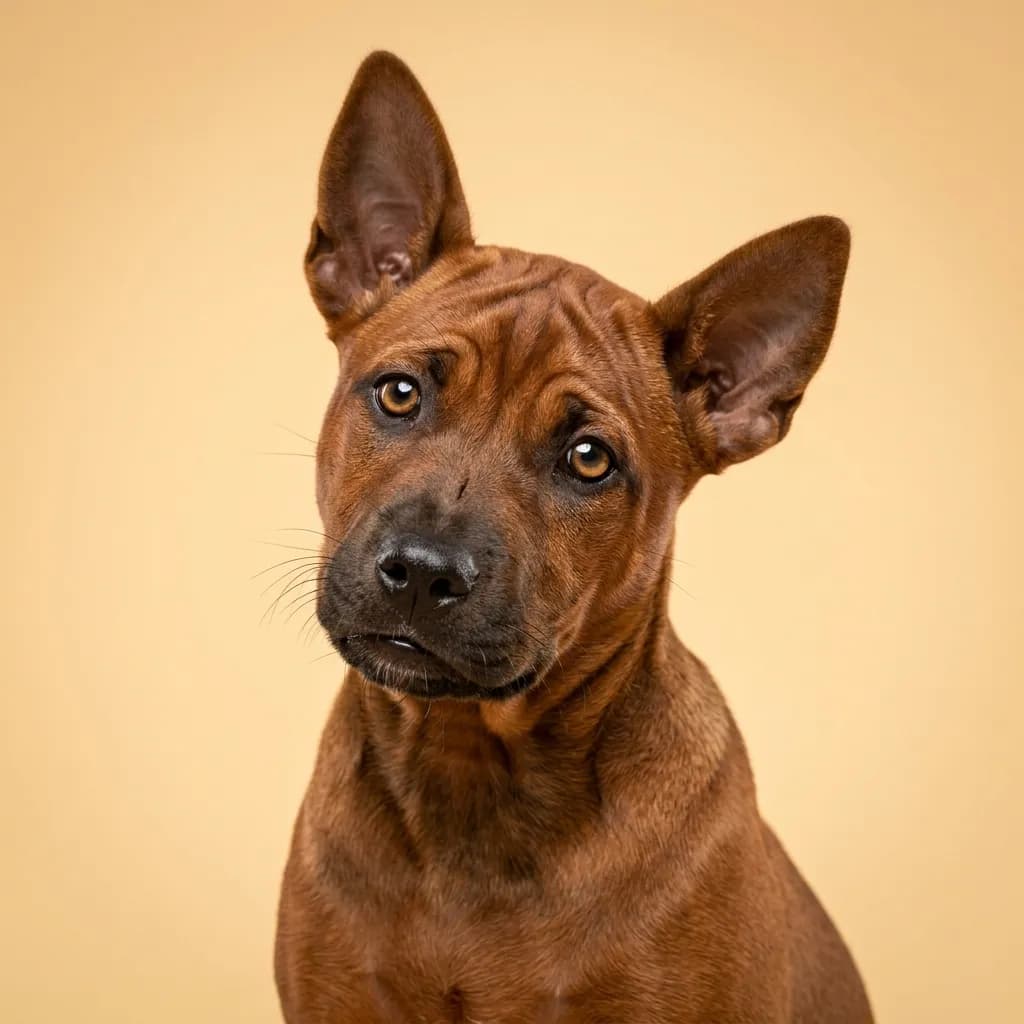
You probably wouldn’t think to compare an Otterhound and a Thai Ridgeback unless you’ve fallen down the rabbit hole of rare, independent dog breeds. But here you are, likely drawn to both because they’re unusual, athletic, and not the kind of dog you see at every dog park. That’s where the similarities end. The Otterhound is a shaggy, boisterous slobbery mess of a dog who lives for water, mud, and making noise. Think of a jovial Englishman who never quite learned indoor manners. he’s affectionate, loves kids in bursts, and will bark at anything that moves near a riverbank, which makes sense since he was bred to hunt otters in England’s wetlands. He’s heavier, louder, and needs space and activity. You’ll need a yard, a tolerance for dog smell, and a love for chaos wrapped in fur. The Thai Ridgeback is the opposite kind of wild. Sleek, quiet, and intensely alert, this dog from eastern Thailand is like a jungle ghost. wiry, independent, and deeply bonded to one person. He won’t drool on your couch or bark at leaves, but he won’t come when called either. He’s not aloof, but his loyalty is earned, not given. He thrives with experienced owners who respect his boundaries and keep him mentally engaged. If you’re active and want a goofy, affectionate goofball who’s okay with family life, the Otterhound might work. just don’t live in an apartment. If you want a lean, low-maintenance (except for training) guardian with a primal edge, the Ridgeback fits. Here’s the truth neither breed’s fans will admit: both are escape artists. But while the Otterhound wanders off following a scent like a soggy, bellowing poet, the Ridgeback slips away silently, like he’s got secrets to keep.
Trait-by-trait
Higher bar = more of that trait. Shedding, barking, drooling, grooming flipped for readability.Where they diverge
Choose the Otterhound if…
- Active families
- Rural settings
- Outdoor and swimming enthusiasts
- You value affectionate w/ family — Otterhound scores noticeably higher.
Choose the Thai Ridgeback if…
- Experienced dog owners
- Active outdoor owners
- Those wanting a primitive, independent breed
- You value watchdog / protective — Thai Ridgeback scores higher here.