Otterhound vs Tosa
Side-by-side comparison across all 14 AKC trait ratings, with a clear verdict on which breed fits which kind of household.
Not sure which breed fits your life?
Answer five questions about your home, your schedule, and your tolerance for shedding. We’ll match you to your top three breeds from over 200.
Otterhound vs Tosa
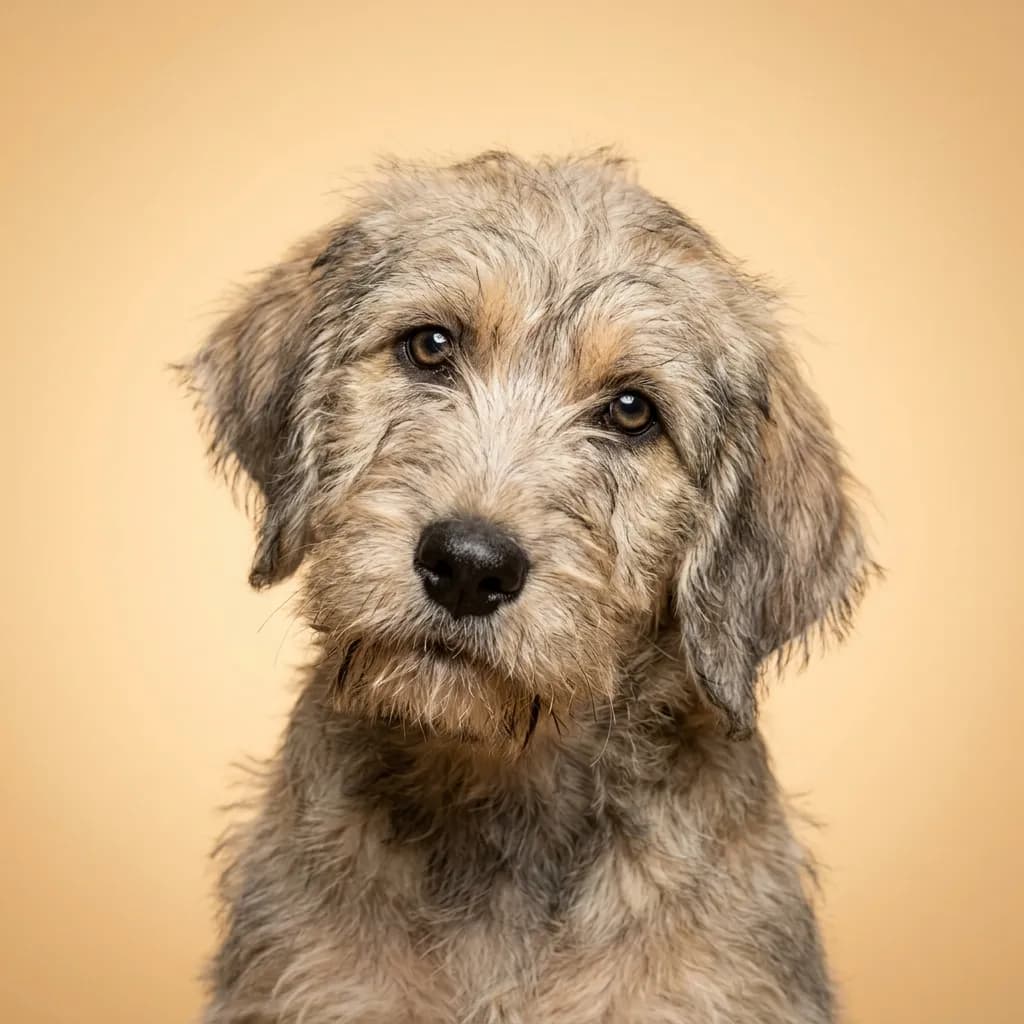
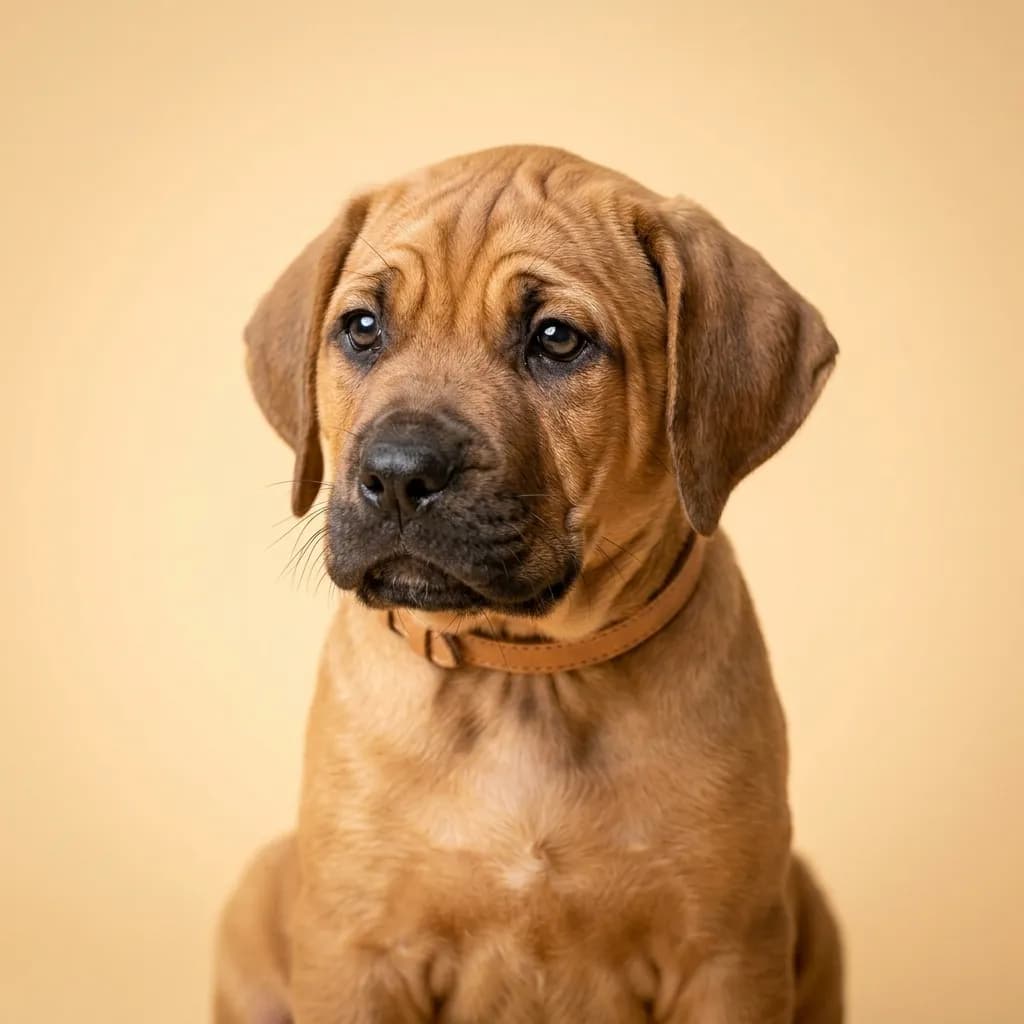
You probably won’t see an Otterhound and a Tosa in the same dog park. or anywhere outside of a very specific kind of breeder circle. Yet people do compare them, usually because they’re both rare, massive, and come wrapped in layers of history that sound better in a documentary than in a suburban backyard. The Otterhound was built to splash through English rivers, baying loudly while chasing otters through thick brush; the Tosa was forged in Japanese dog fighting rings, a silent, powerful goliath bred for endurance and control. These origins still shape them today, and choosing between them isn’t about preference. it’s about lifestyle and honesty. The Otterhound is boisterous and loud, with a deep bark that won’t quit and a friendly streak that leans more goofy uncle than bodyguard. They’re affectionate and patient, great with older kids, and actually easier to train than most hounds. But they drool, they smell a bit like wet dog even when dry, and they won’t come back if they catch a scent. You need space, time, and a tolerance for chaos. The Tosa is the opposite. quiet, reserved, intensely loyal to their family but wary of strangers. They’re not aggressive by nature, but their size alone makes them a liability in inexperienced hands. A Tosa needs an owner who understands canine language, boundaries, and the weight of responsibility that comes with a 180-pound dog who doesn’t bark much but will act if provoked. Here’s the thing no one says: both breeds are prone to bloat, and both cost a fortune not just to buy but to insure and feed. But the real difference? The Otterhound wants to be your muddy adventure buddy. The Tosa wants to be your silent, watchful shadow. Pick based on whether you want a dog who joins the chaos or guards it.
Trait-by-trait
Higher bar = more of that trait. Shedding, barking, drooling, grooming flipped for readability.Where they diverge
Choose the Otterhound if…
- Active families
- Rural settings
- Outdoor and swimming enthusiasts
- You value good with strangers — Otterhound scores noticeably higher.
Choose the Tosa if…
- very experienced large-breed owners
- homes with secure property
- owners seeking a calm giant breed companion
- You value watchdog / protective — Tosa scores higher here.