Papillon vs Pembroke Welsh Corgi
Side-by-side comparison across all 14 AKC trait ratings, with a clear verdict on which breed fits which kind of household.
Not sure which breed fits your life?
Answer five questions about your home, your schedule, and your tolerance for shedding. We’ll match you to your top three breeds from over 200.
Papillon vs Pembroke Welsh Corgi
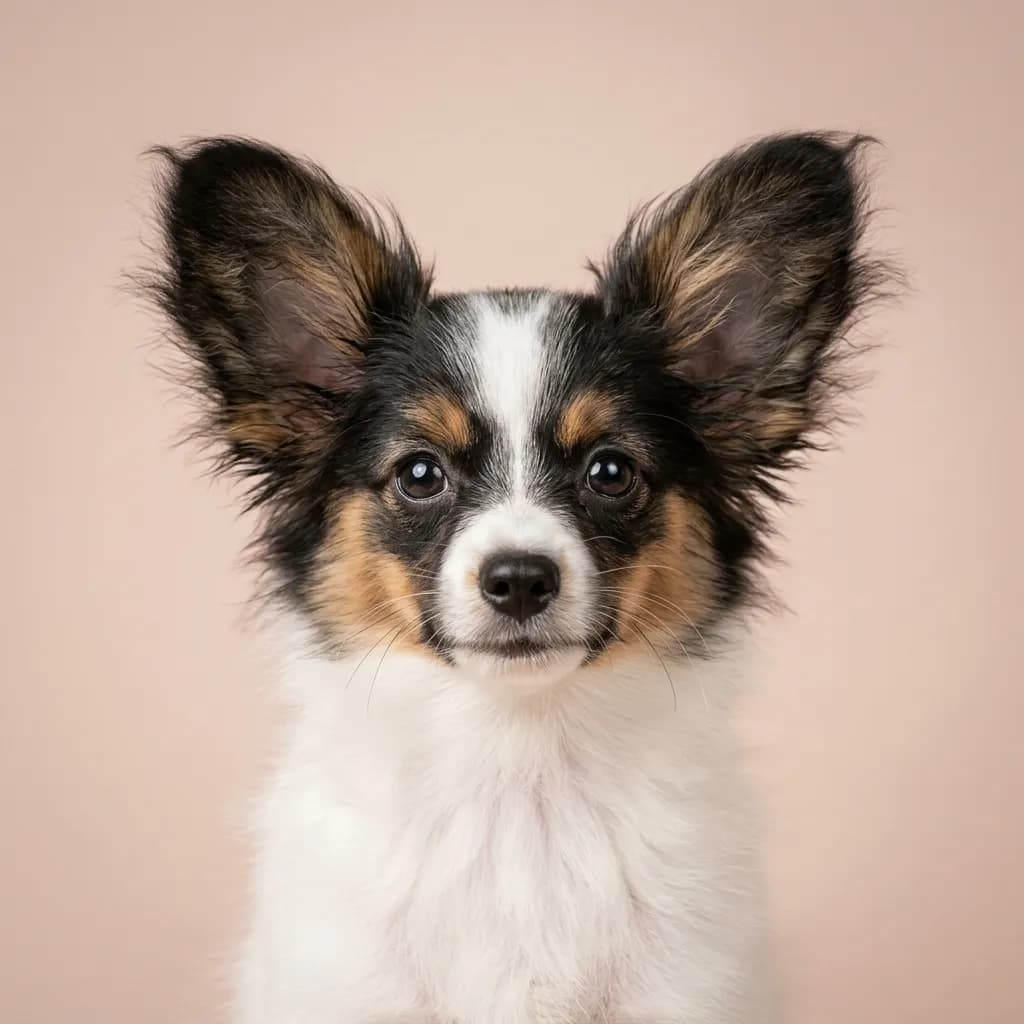
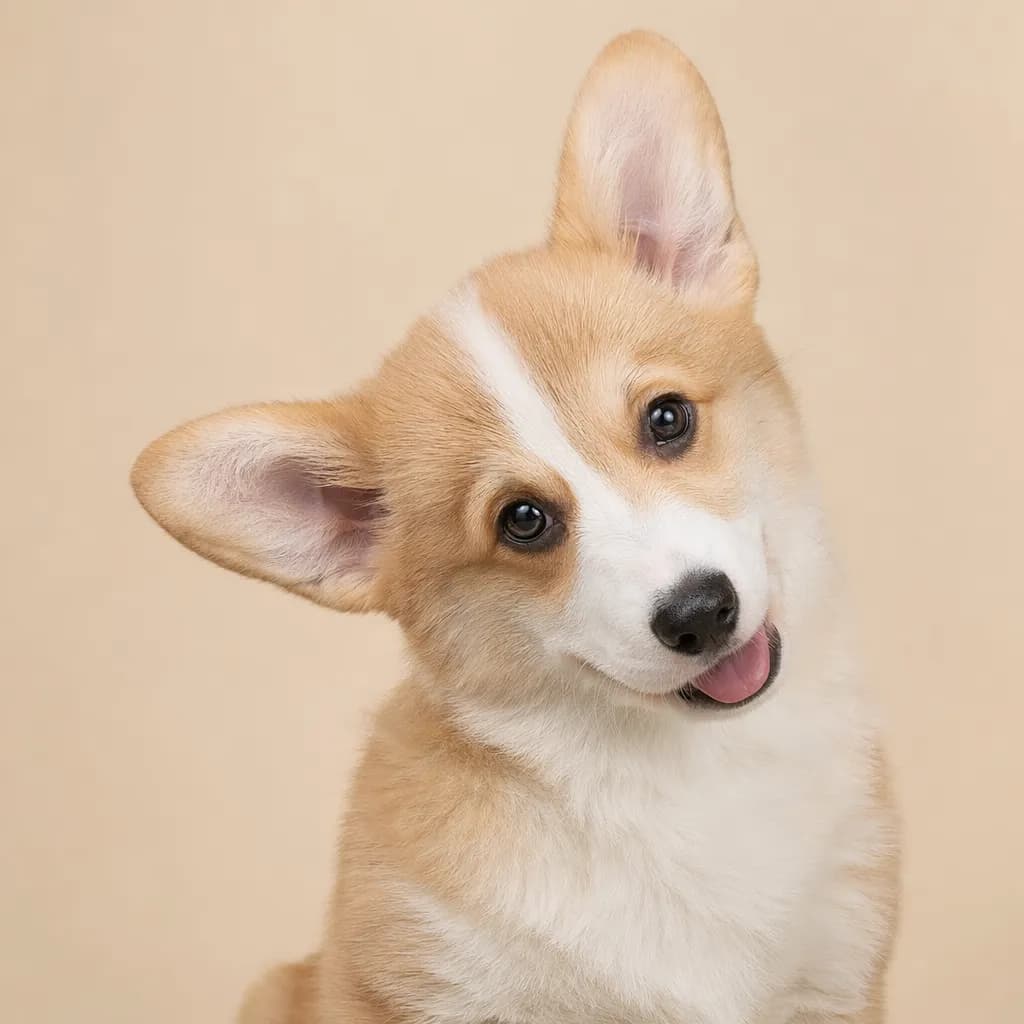
People compare Papillons and Pembroke Welsh Corgis because they’re both small, smart, and look like they belong in a royal portrait. cute, alert, and always on. But that’s where the similarities end. Think of it this way: the Papillon is your hyper-observant, caffeine-powered friend who wins every trivia night and wants to do agility on weekends; the Corgi is the stubbornly charming farm kid who herds your kids into the kitchen at dinner time and sheds on everything you own. The Papillon is feather-light at under 10 pounds, built like a delicate acrobat, and lives 14 to 16 years. It’s intensely trainable, thrives on mental puzzles, and bonds tightly with its people. You’ll love its energy and affection. until it starts barking at a leaf blowing past the window. And yes, it’s great with kids, just not toddlers. this dog has zero tolerance for accidental stepping or hugging too hard. The Pembroke, meanwhile, packs nearly three times the weight in a low-slung, sturdy frame. It was bred to work all day, so it needs space to move and a job to do. It’s affectionate but independent, sharp but will negotiate with you like a tiny union rep. And that shedding? It’s year-round, heavy, and gets everywhere. Here’s the real talk: if you want a dog that’s always with you, mentally engaged, and lives a long time, the Papillon wins. But if you want a bold character with a big-dog attitude in a small body and don’t mind vacuuming daily, go Corgi. One insight no one mentions: the Papillon might be smaller, but its personality is louder. The Corgi may look like the boss, but the Papillon? It’s already running the household.
Trait-by-trait
Higher bar = more of that trait. Shedding, barking, drooling, grooming flipped for readability.Where they diverge
Choose the Papillon if…
- Apartment living
- Active owners
- Families with older children
- You value good with young children — Papillon scores noticeably higher.
Choose the Pembroke Welsh Corgi if…
- Active families
- Apartment or small home living with exercise
- Dog sport enthusiasts
- You value good with other dogs — Pembroke Welsh Corgi scores higher here.