Papillon vs Rottweiler
Side-by-side comparison across all 14 AKC trait ratings, with a clear verdict on which breed fits which kind of household.

Not sure which breed fits your life?
Answer five questions about your home, your schedule, and your tolerance for shedding. We’ll match you to your top three breeds from over 200.
Papillon vs Rottweiler
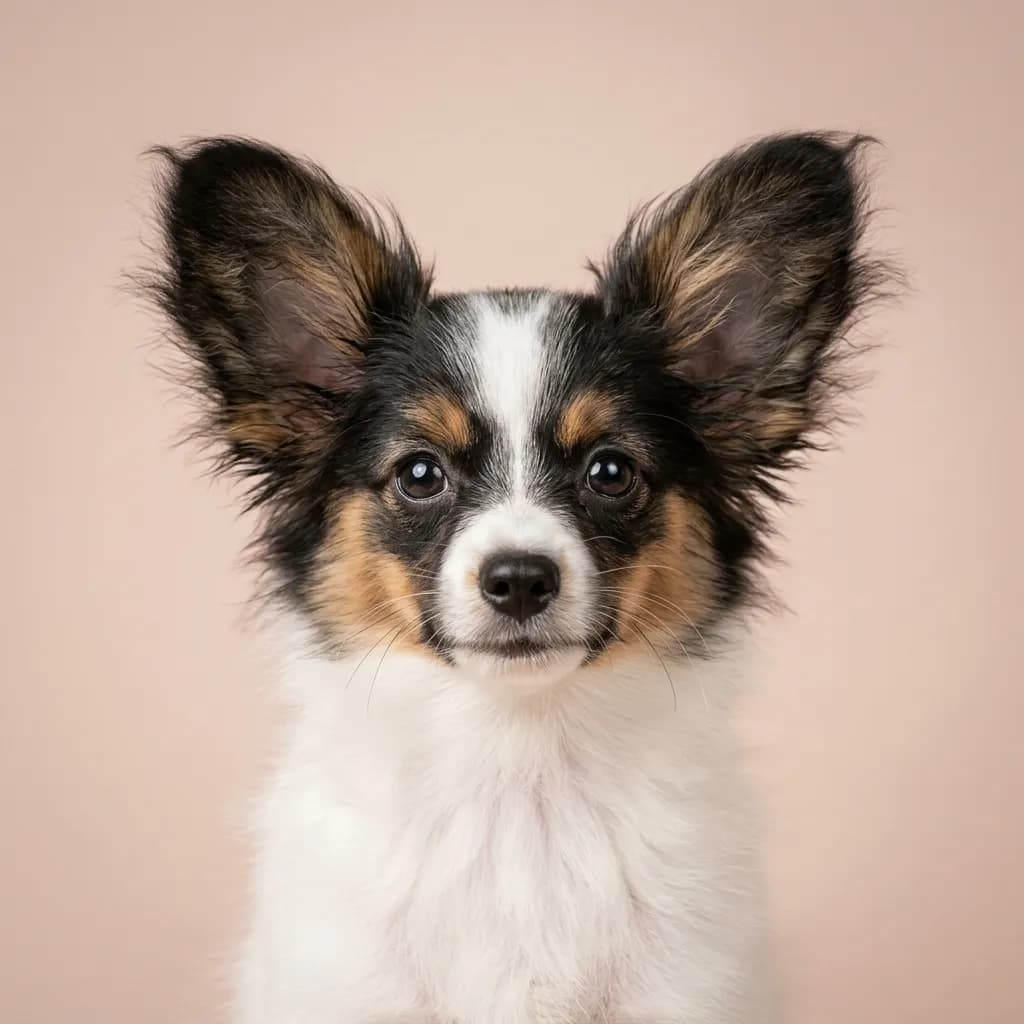
You’re probably not comparing a Papillon and a Rottweiler because you’re torn between them. More likely, you’re at opposite ends of a conversation. someone’s saying “I want a tiny lap dog!” and another’s picturing a powerful protector. But if you’re actually weighing these two, it’s probably because you value intelligence, loyalty, and trainability. but haven’t yet settled on what size of life you’re signing up for. The Papillon is a spark plug in dog form. At under 10 pounds, this little acrobat lives to learn, perform, and sit in your lap the second you’re still. They’re fearless, loud, and emotionally in tune with you. They’ll thrive in an apartment, adore older kids who won’t trip over them, and dominate agility courses. But no, they don’t nap much. And yes, they’ll bark at a leaf outside the window. The Rottweiler is a different kind of commitment. At over 100 pounds, they’re calm in the house but need structure, space, and a confident handler. They’re not barkers, but they’re deeply aware. quietly scanning, protecting. Great with kids they’re raised with, but their sheer size makes them a poor fit for homes where toddlers might get accidentally knocked over. Here’s the real insight: both breeds are incredibly sensitive, despite the stereotypes. The Papillon hides under the bed during thunderstorms; the Rottweiler will mirror your stress if you’re anxious. They’re not just smart. they’re emotionally intelligent. Pick the Papillon if you want a portable, high-energy companion who’s always game. Pick the Rottweiler if you’re ready for a gentle giant who happens to weigh more than your coffee table. One fits in a tote bag. The other fits in a role. Know which you need.
Trait-by-trait
Higher bar = more of that trait. Shedding, barking, drooling, grooming flipped for readability.Where they diverge
Choose the Papillon if…
- Apartment living
- Active owners
- Families with older children
- You value barking level — Papillon scores noticeably higher.
Choose the Rottweiler if…
- Experienced dog owners
- Active families
- Protection and working dog roles
- You value drooling level — Rottweiler scores higher here.