Papillon vs Schapendoes
Side-by-side comparison across all 14 AKC trait ratings, with a clear verdict on which breed fits which kind of household.

Not sure which breed fits your life?
Answer five questions about your home, your schedule, and your tolerance for shedding. We’ll match you to your top three breeds from over 200.
Papillon vs Schapendoes
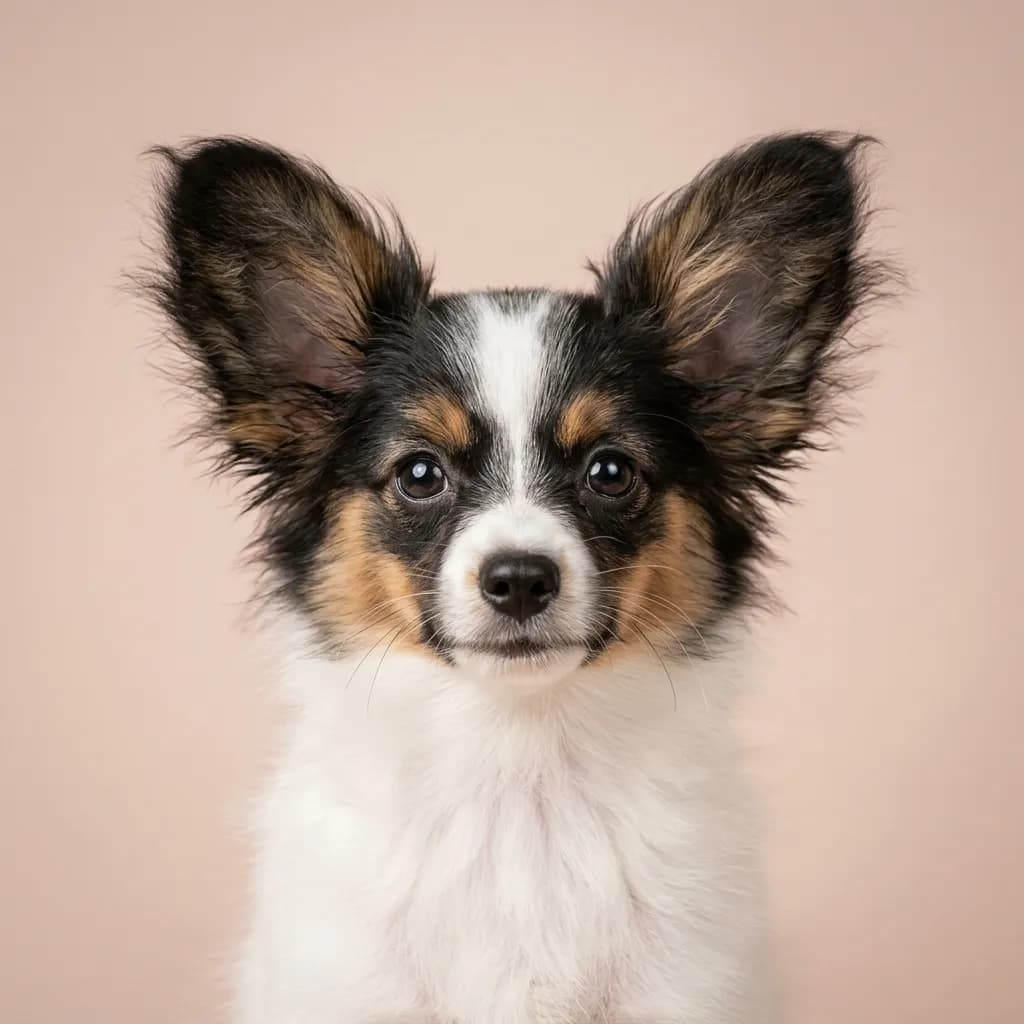
You might be comparing a Papillon and a Schapendoes because both are fluffy, agile, and brimming with personality. on paper, they even share high trainability and a love for mental challenges. But in real life, they’re worlds apart, and your choice comes down to space, energy, and how much dog you actually want to live with. The Papillon is the featherweight genius of the toy world. At under 10 pounds, it’s built to travel, thrive in apartments, and park itself on your lap after a vigorous game of “chase the shadow.” Don’t let the dainty looks fool you. this dog is loud, sharp, and always on duty. It’s the kind of dog that barks at a leaf blowing wrong and learns a trick in two tries. If you want a tiny dog that’s always alert and deeply bonded, this is it. But if you have toddlers who might handle roughly, or you just want quiet, think twice. The Schapendoes, meanwhile, is a rural soul in a cloud-like coat. At up to 55 pounds, it needs room to gallop, jobs to do, and regular brushing. Bred to herd sheep in open fields, it’s more reserved with kids and needs early socialization. It’s not as vocal as the Papillon, but it’s no couch ornament. It wants purpose. agility, treibball, or long hikes. Here’s the real talk: the Papillon will live longer and cost less upfront, but its constant alertness can wear thin if you’re not engaged. The Schapendoes is a bigger commitment in size and grooming, but offers a quieter, more balanced presence. if you can meet its space and activity needs. Pick the Papillon if you want a lively, portable companion who’s always tuned in. Choose the Schapendoes if you’ve got land, experience with herding breeds, and want a soft-hearted athlete who thrives on work.
Trait-by-trait
Higher bar = more of that trait. Shedding, barking, drooling, grooming flipped for readability.Where they diverge
Choose the Papillon if…
- Apartment living
- Active owners
- Families with older children
- You value good with young children — Papillon scores noticeably higher.
Choose the Schapendoes if…
- active families
- agility and herding sport enthusiasts
- experienced herding breed owners
- You value good with other dogs — Schapendoes scores higher here.