Papillon vs Schipperke
Side-by-side comparison across all 14 AKC trait ratings, with a clear verdict on which breed fits which kind of household.
Not sure which breed fits your life?
Answer five questions about your home, your schedule, and your tolerance for shedding. We’ll match you to your top three breeds from over 200.
Papillon vs Schipperke
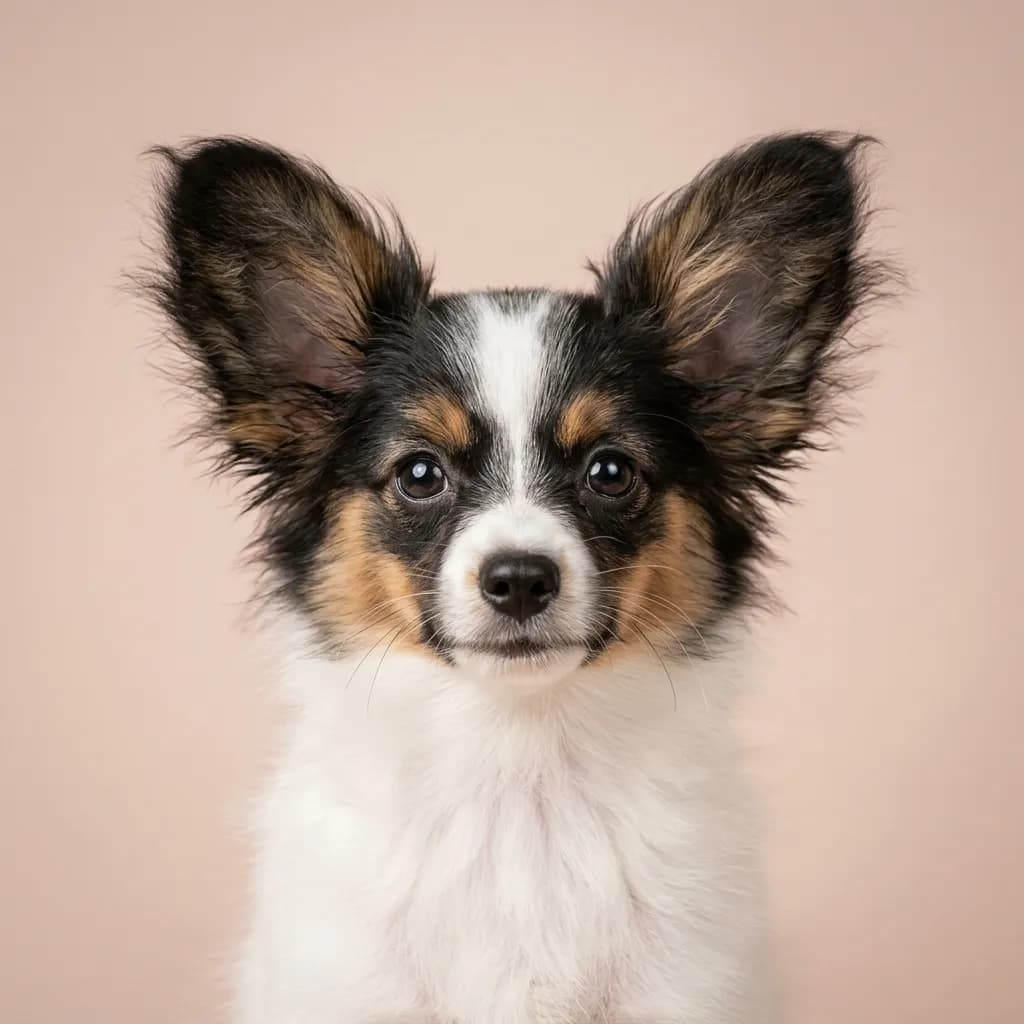
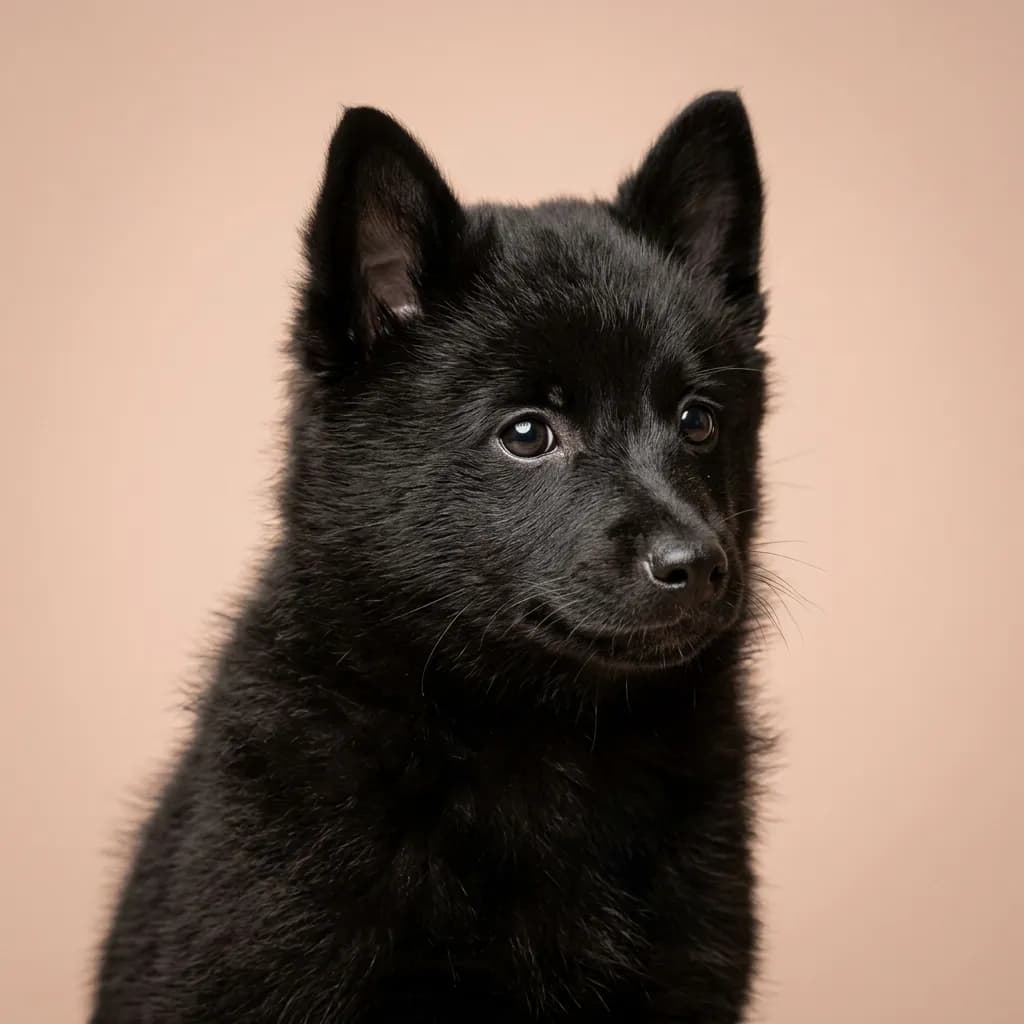
People compare Papillons and Schipperkes because they’re both small, pointy-eared Belgian dynamos with fox-like faces and big personalities packed into tiny frames. At first glance, they seem like stylistic cousins. both alert, sprightly, and far too bold for their size. But live with either, and you’ll quickly realize they’re built for different rhythms of life. The Papillon is the high-wire acrobat of the toy world. At 5 to 10 pounds, it’s featherlight but wired with relentless curiosity and an eagerness to learn that makes it a star in agility or obedience rings. It’s friendly with everyone, adores older kids who won’t accidentally squash it, and will bark at a falling leaf. If you want a dog that’s always “on” and thrives on mental puzzles, this is your breed. But don’t expect quiet nights. this dog is a vigilant little sentinel with opinions. The Schipperke, meanwhile, feels more substantial. not just because it’s double the Papillon’s weight, but in demeanor. Originally a barge dog and ratter, it’s got a stoic independence and a mischievous streak. It’s confident to the point of stubbornness, less eager to please than the Papillon, and while affectionate with its people, it’s not a constant cuddle bug. It’s better in homes with space and a yard, where its moderate energy can unfold without driving you nuts indoors. Here’s the real difference most overlook: the Papillon wants to be your co-pilot in every activity; the Schipperke merely tolerates joining you, on its terms. If you’re a planner who loves structure and bonding through training, go Papillon. If you appreciate a quirky, self-assured little guardian with a touch of wildness, the Schipperke might just steal your quiet evenings.
Trait-by-trait
Higher bar = more of that trait. Shedding, barking, drooling, grooming flipped for readability.Where they diverge
Choose the Papillon if…
- Apartment living
- Active owners
- Families with older children
- You value good with young children — Papillon scores noticeably higher.
Choose the Schipperke if…
- Active owners
- Those wanting a small but bold breed
- Suburban or rural settings
- You value watchdog / protective — Schipperke scores higher here.