Papillon vs Slovensky Kopov
Side-by-side comparison across all 14 AKC trait ratings, with a clear verdict on which breed fits which kind of household.

Not sure which breed fits your life?
Answer five questions about your home, your schedule, and your tolerance for shedding. We’ll match you to your top three breeds from over 200.
Papillon vs Slovensky Kopov
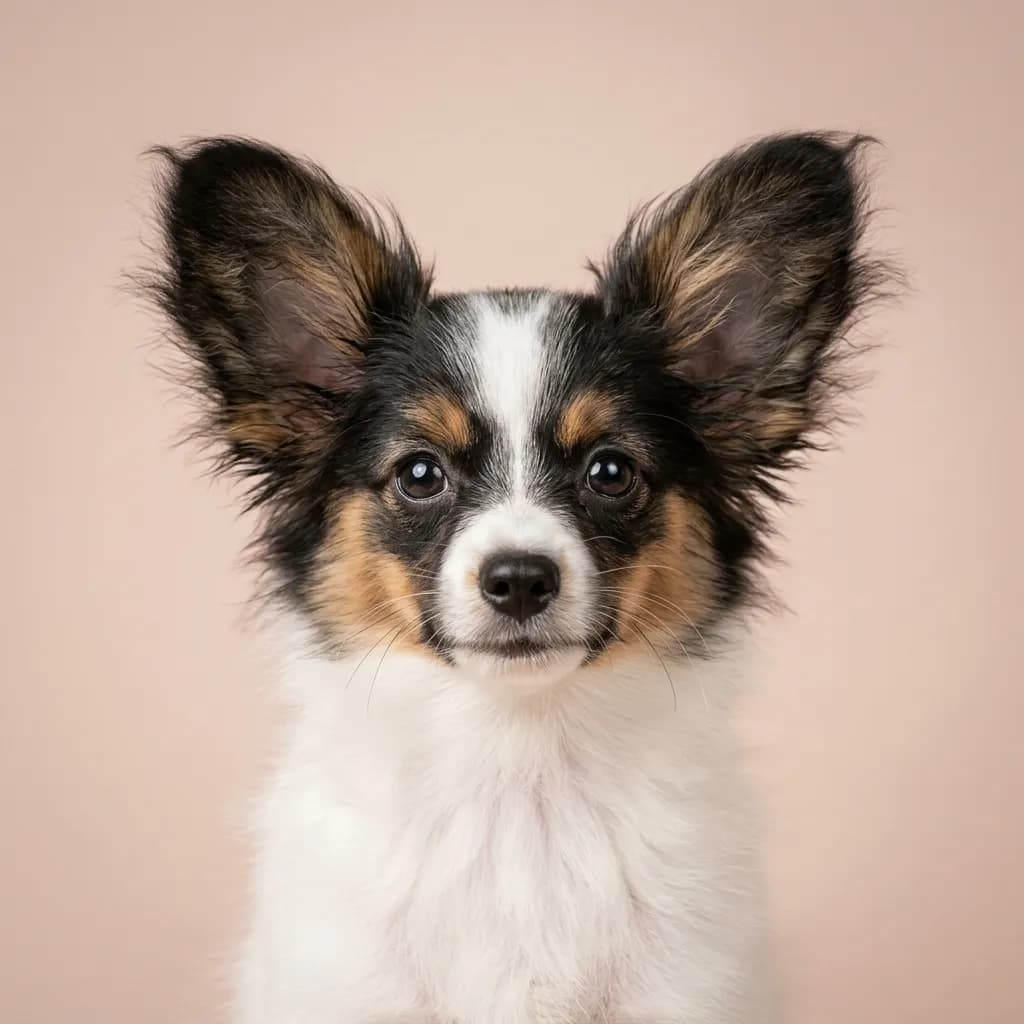
People compare Papillons and Slovenský Kopovs because they’re both alert, intelligent dogs with pointy ears and a certain old-world charm. But that’s where the similarities end. You’re not choosing between two lapdogs or two hunting partners. You’re deciding whether you want a high-wire performer in a silk robe or a rugged woodsman in a flannel shirt. The Papillon is a tiny dynamo, barely tipping the scales at 8 pounds, built for perching on your shoulder and mastering agility courses. It’s the dog that learns a new trick in five minutes and then barks to show off. It thrives in apartments, adores families with older kids, and bonds like glue to its person. But it won’t sit still. And it will sound the alarm at every passing squirrel, delivery driver, and shadow. If you want a dog that’s always on, this is your breed. The Slovenský Kopov, at 35+ pounds and bred to trail wild boar through Slovakian forests, is built for endurance, not cuddles. It’s calm for a hound but needs space, purpose, and a securely fenced yard. It’s not unfriendly with kids, but it’s not a patient nanny either. It’s reserved, independent, and happiest when it has a scent to follow. This dog belongs in the countryside, not a city condo. Here’s the real talk: the Papillon will rewire your life with its need for constant engagement. The Kopov won’t demand attention, but it will demand respect. and a job. Choose the Papillon if you want a featherlight companion who’s always ready to play. Choose the Kopov if you’re a hunter or outdoors person who needs a quiet, capable partner. One’s a conversation piece. The other’s a working dog with history in its bones. Pick based on your lifestyle, not just the ears.
Trait-by-trait
Higher bar = more of that trait. Shedding, barking, drooling, grooming flipped for readability.Where they diverge
Choose the Papillon if…
- Apartment living
- Active owners
- Families with older children
- You value affectionate w/ family — Papillon scores noticeably higher.
Choose the Slovensky Kopov if…
- hunters
- active rural owners
- experienced scent hound handlers
- You value good with other dogs — Slovensky Kopov scores higher here.