Papillon vs Stabyhoun
Side-by-side comparison across all 14 AKC trait ratings, with a clear verdict on which breed fits which kind of household.
Not sure which breed fits your life?
Answer five questions about your home, your schedule, and your tolerance for shedding. We’ll match you to your top three breeds from over 200.
Papillon vs Stabyhoun
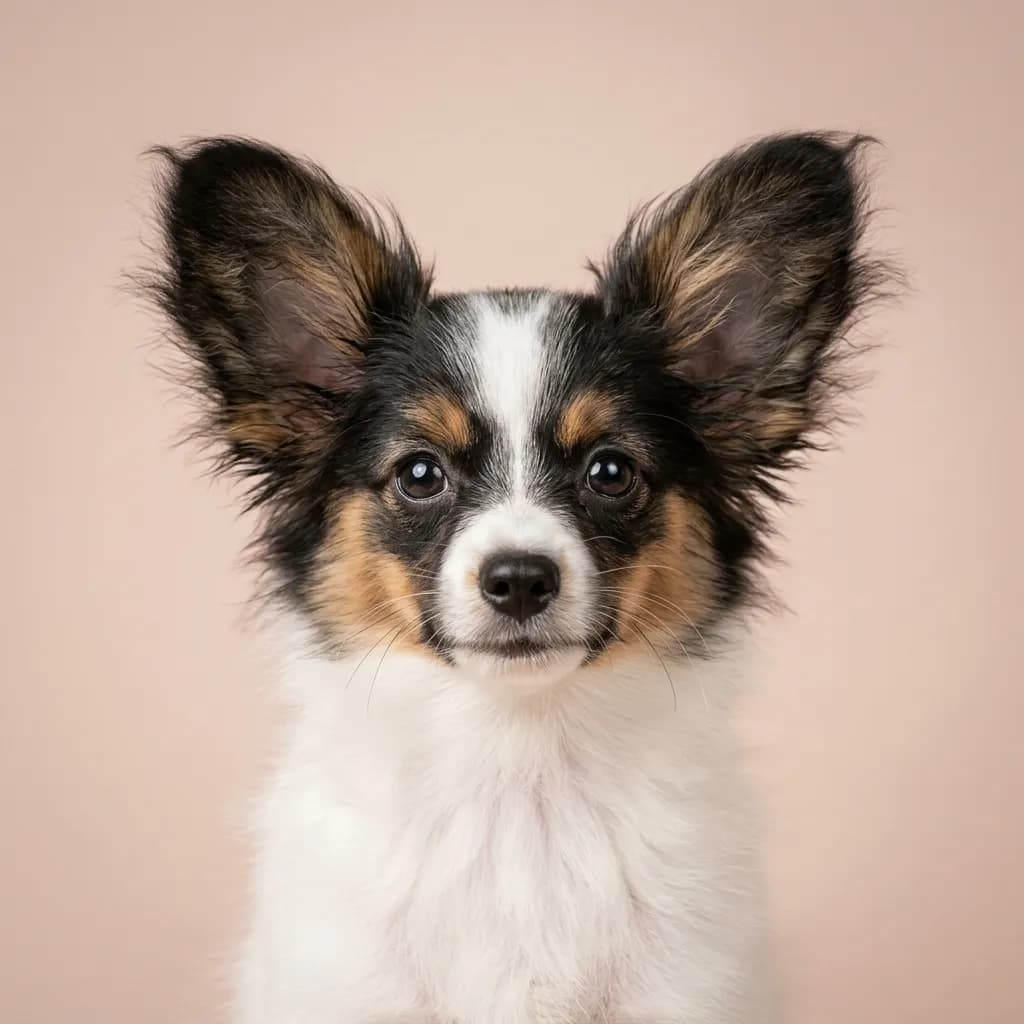
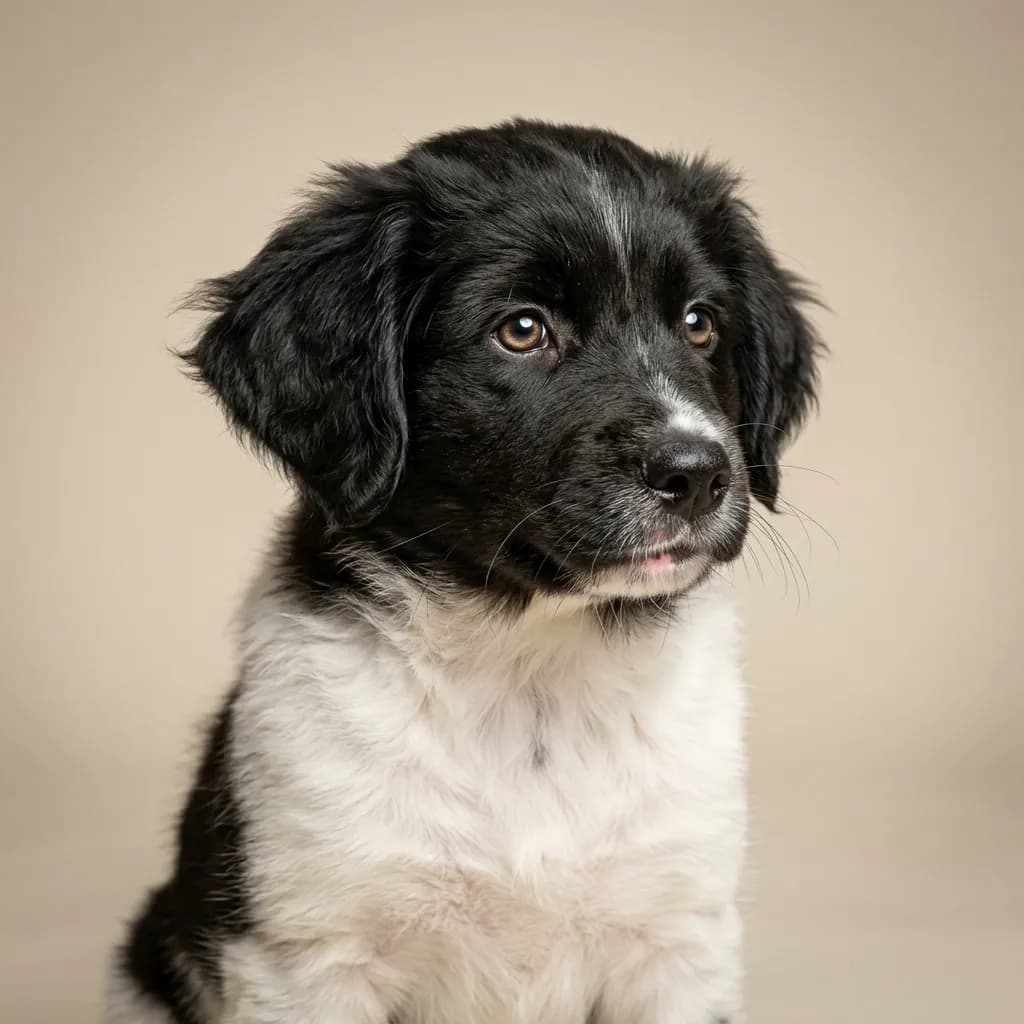
You don’t see Papillons and Stabyhouns compared often, but I get why you’re asking. both are smart, trainable, and deeply attached to their people. The real story here isn’t just size or origin. It’s about how two dogs with similar trainability and affection can serve wildly different lives. The Papillon is the pocket-sized firecracker of European courts. tiny enough to fit in your tote bag, bold enough to run a dog agility course like a featherweight champion. At 5 to 10 pounds, this dog lives to learn, thrives on attention, and will bark at a leaf blowing across the yard. If you live in a city apartment and want a dog that’s always on, always engaged, and happy to snuggle after a training session, the Papillon is magic. But they’re fragile with toddlers, and their alertness can turn into constant yapping if under-stimulated. The Stabyhoun? Picture the dutiful Dutch farmhand. solid, 40 to 60 pounds of calm muscle, built for cold marshes and long days in the field. This isn’t a lap dog. It’s a versatile hunter bred to point, retrieve, and work independently. yet it comes home and melts into a family couch with quiet loyalty. They’re quieter, more even-tempered, and need space and real outdoor work to stay balanced. Apartment life? Not a chance. Here’s the real insight: both breeds bond fiercely, but the Papillon wants to perform for you, while the Stabyhoun wants to work with you. If you’re into dog sports, the Papillon will outshine in speed and precision. But if you’re outdoorsy, have space, and want a dog that’s equally happy tracking ducks and sitting calmly by the fire, the Stabyhoun is a rare gem. Just be ready: they’re expensive and hard to find, but worth it if your life matches theirs.
Trait-by-trait
Higher bar = more of that trait. Shedding, barking, drooling, grooming flipped for readability.Where they diverge
Choose the Papillon if…
- Apartment living
- Active owners
- Families with older children
- You value good with strangers — Papillon scores noticeably higher.
Choose the Stabyhoun if…
- active families
- hunters and waterfowl retrievers
- dog sport enthusiasts
- You value good with other dogs — Stabyhoun scores higher here.