Papillon vs Vizsla
Side-by-side comparison across all 14 AKC trait ratings, with a clear verdict on which breed fits which kind of household.

Not sure which breed fits your life?
Answer five questions about your home, your schedule, and your tolerance for shedding. We’ll match you to your top three breeds from over 200.
Papillon vs Vizsla
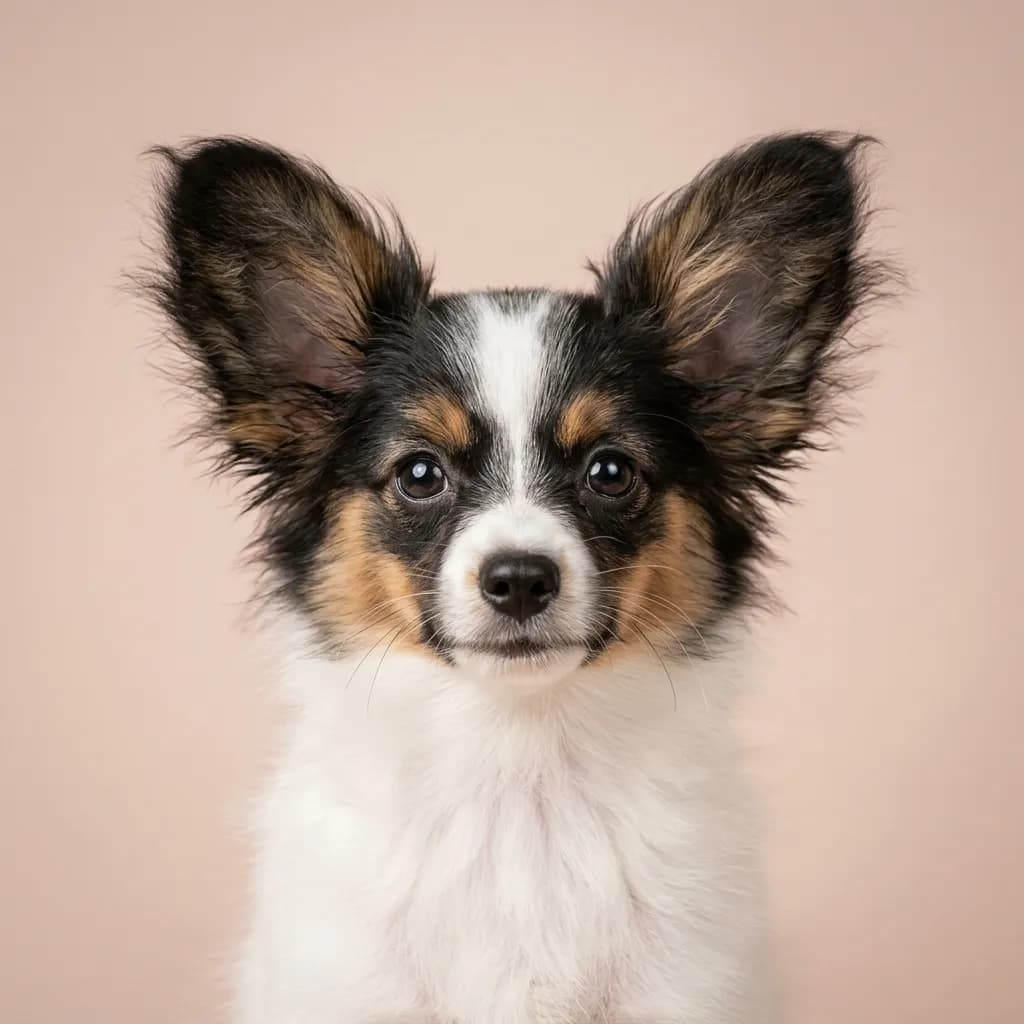
You’d never guess people compare Papillons and Vizslas at first glance. one’s a pocket-sized court jester with butterfly ears, the other a lean, rust-colored athlete built for endurance. But both top lists for smart, affectionate, high-energy dogs that bond fiercely to their people. That’s where the confusion starts. They’re like two models of sports cars: one’s a zippy convertible, the other a turbocharged sedan. Both thrilling, but your life decides which fits. The Papillon thrives on mental puzzles, agility courses, and lap time. At 7 pounds, it’s light enough to carry in a tote bag, but don’t be fooled. it’s loud, alert, and will bark at every doorbell on TV. It’s perfect for apartment dwellers who want a responsive, trainable companion, as long as you’ve got time to invest in training and don’t mind a dog that’s always on. Just keep it away from toddlers who might step on it. The Vizsla? Think of it as a 55-pound shadow. It needs 60 to 90 minutes of hard exercise daily. runs, hikes, serious fetch sessions. It’s quieter than the Papillon, but emotionally, it’s louder. Left alone too long, it’ll chew your couch out of distress. This isn’t a dog for a 9-to-5 office job unless you hire a midday walker. Here’s the real talk: both breeds suffer if under-stimulated, but the Vizsla’s needs are physical and emotional at a scale that can overwhelm first-time owners. The Papillon’s demands are easier to meet in small spaces, but its sensitivity and vocal nature can grate in close-quarters living. Pick the Papillon if you want a clever, portable partner in crime. Pick the Vizsla if you’re active, home often, and want a deeply bonded, soulful athlete at your side. One’s a spark plug. The other’s a heartbeat. Choose based on your rhythm.
Trait-by-trait
Higher bar = more of that trait. Shedding, barking, drooling, grooming flipped for readability.Where they diverge
Choose the Papillon if…
- Apartment living
- Active owners
- Families with older children
- You value barking level — Papillon scores noticeably higher.
Choose the Vizsla if…
- Active families
- Runners and cyclists
- Hunters
- You value good with other dogs — Vizsla scores higher here.