Papillon vs Welsh Terrier
Side-by-side comparison across all 14 AKC trait ratings, with a clear verdict on which breed fits which kind of household.

Not sure which breed fits your life?
Answer five questions about your home, your schedule, and your tolerance for shedding. We’ll match you to your top three breeds from over 200.
Papillon vs Welsh Terrier
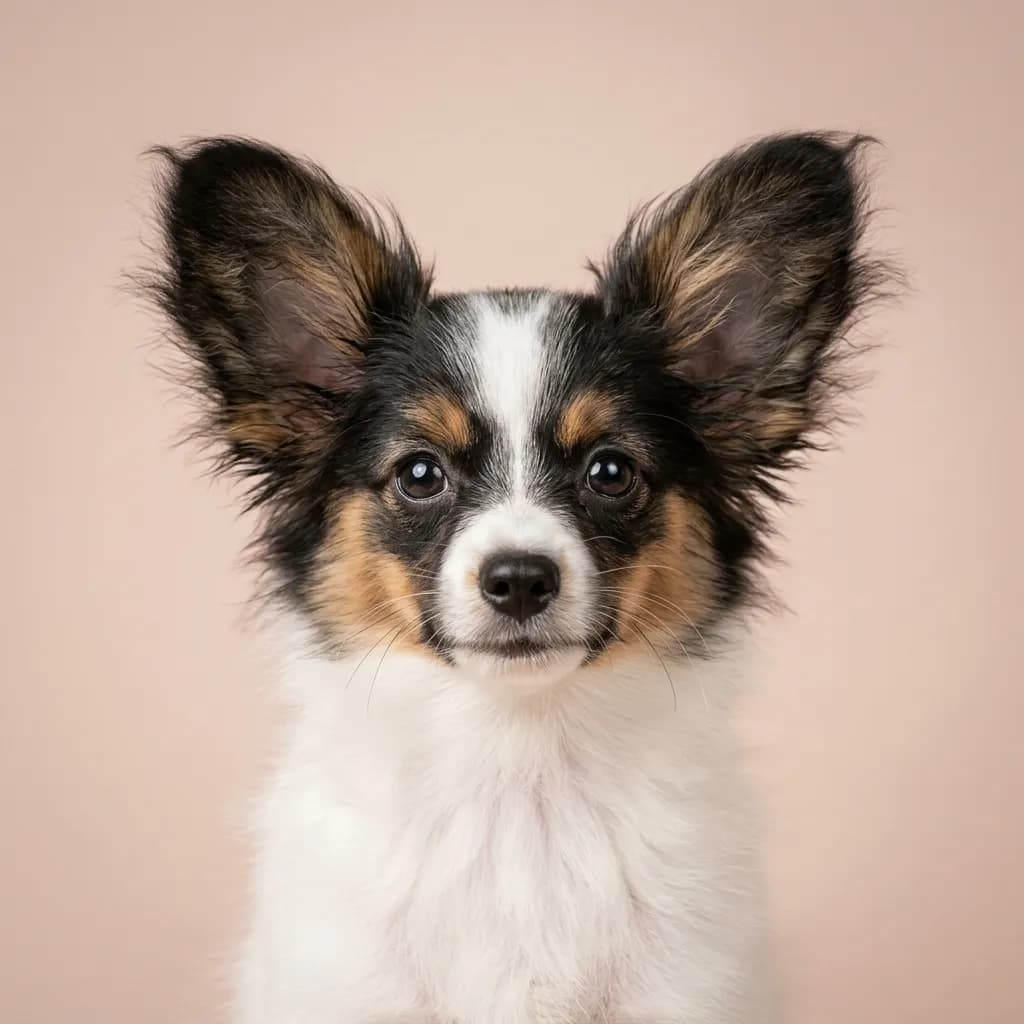
People compare Papillons and Welsh Terriers because both are small, lively, and packed with personality, but that’s where the similarities end. Think of it like choosing between a whip-smart city dancer and a scrappy, outdoorsy adventurer. both energetic, both loyal, but built for wildly different lives. The Papillon is all elegance and brainpower. At just 8 pounds, it’s light enough to live in your pocket, thriving in apartments and adoring every minute of human attention. It’s the breed that learns a new trick in 15 minutes and will bark at every passing leaf. If you love training, agility, or just having a tiny shadow who’s always engaged, this is your dog. But be warned: they’re fragile around toddlers, and their alertness means constant barking if not trained early. The Welsh Terrier, meanwhile, is double the size and built like a tank. Originally bred to dive into rocky dens after foxes, this dog wants to do things. dig, explore, patrol. Their wiry coat sheds less, making them a better pick for allergy-prone homes, and they’re sturdier with kids. But they come with a terrier twist: that independence. You can train them, but they’ll debate your authority once in a while. And if you’ve got a squirrel in your yard? Good luck. Here’s the real talk: Papillons bond deeply with one or two people and can become anxious if left alone too much. Welsh Terriers are more evenly affectionate, but their hunting drive means they may not be safe with cats or small pets. Choose the Papillon if you want a responsive, dazzlingly smart companion for urban life and training games. Pick the Welsh Terrier if you’ve got a yard, an active family, and want a rugged little guy who’s game for anything.
Trait-by-trait
Higher bar = more of that trait. Shedding, barking, drooling, grooming flipped for readability.Where they diverge
Choose the Papillon if…
- Apartment living
- Active owners
- Families with older children
- You value shedding level — Papillon scores noticeably higher.
Choose the Welsh Terrier if…
- Active families
- Those wanting a spirited, playful companion
- Families with children
- You value coat grooming — Welsh Terrier scores higher here.