Parson Russell Terrier vs Schipperke
Side-by-side comparison across all 14 AKC trait ratings, with a clear verdict on which breed fits which kind of household.
Not sure which breed fits your life?
Answer five questions about your home, your schedule, and your tolerance for shedding. We’ll match you to your top three breeds from over 200.
Parson Russell Terrier vs Schipperke
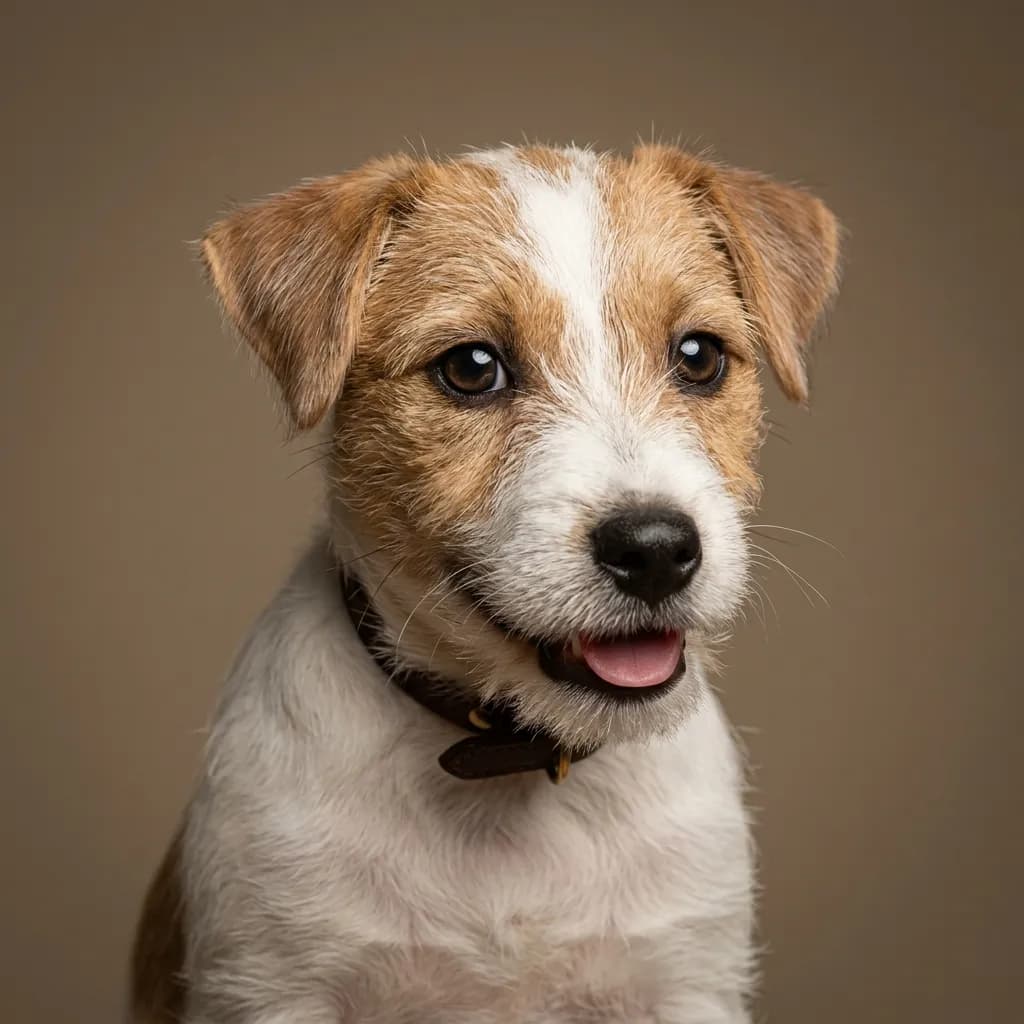
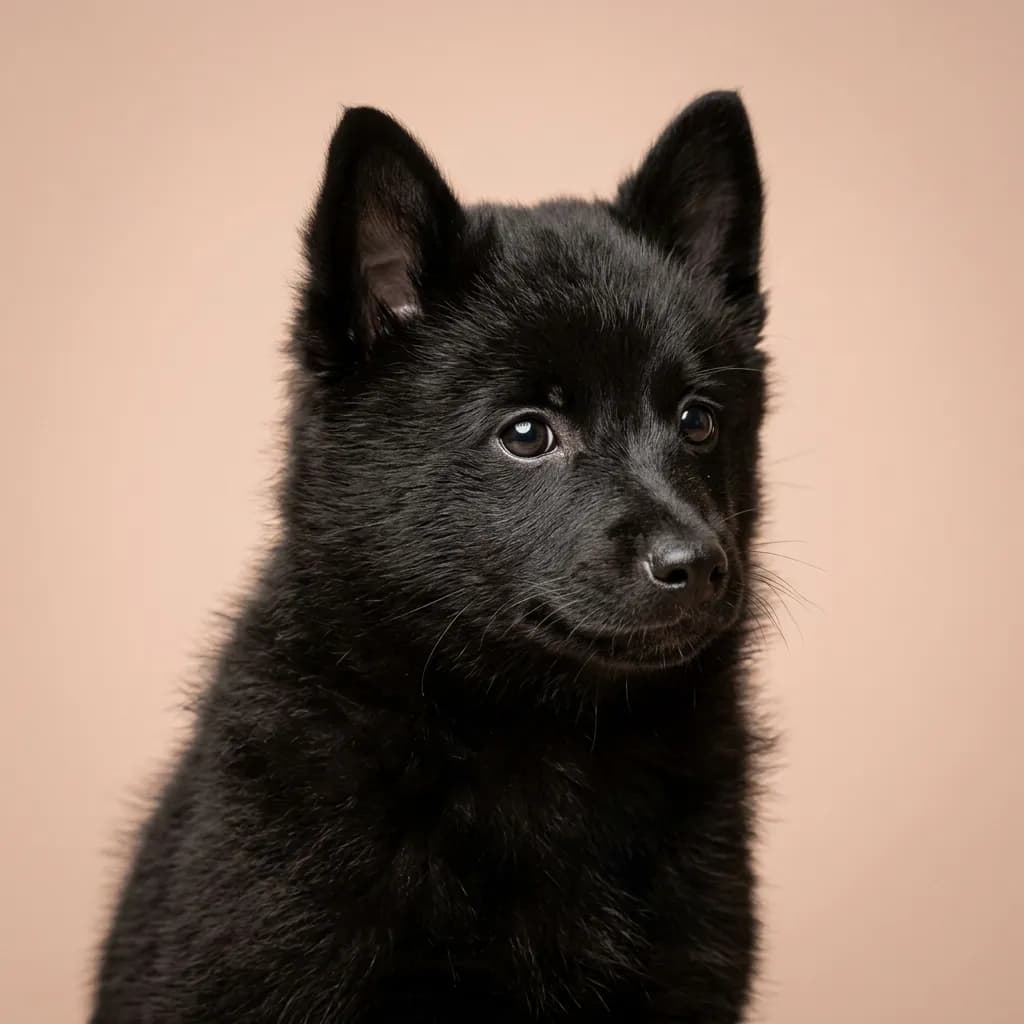
People compare Parson Russell Terriers and Schipperkes because they’re both small, feisty, and pack a big-dog attitude in a compact frame. But that’s where the similarity ends. One’s a high-octane athlete built for speed and precision, the other a watchful little sentinel with a mane like a lion and a mind of its own. If your life moves fast. trail runs, agility classes, weekends on horseback. the Parson Russell will match your pace. They’re wired for action, clever enough to outthink you, and need a job or they’ll invent one, like digging your garden into a replica of Westminster Abbey. They’re affectionate, yes, but on their terms: expect bursts of zoomies at 2 a.m. and a stubborn streak a mile wide. They’re not great with small pets, and if you’re a first-time owner hoping for a chill lapdog, you’ll be overwhelmed. The Schipperke, meanwhile, is quieter in energy but never in presence. They’re intensely alert, barking at a leaf two streets over, and thrive in homes where someone’s around to ground them. They bond deeply but aren’t as endlessly patient with young kids. Originally guarding Belgian barges, they carry that vigilance today. great for suburban homes needing a watchdog, less ideal if you want silence. Here’s the real insight: the Parson Russell needs physical challenge, but the Schipperke craves routine and structure. One will exhaust your body, the other your patience if you’re inconsistent. Both are loyal and bright, but one demands a lifestyle, the other just wants to own your home. Choose based on whether you need a teammate or a tenant.
Trait-by-trait
Higher bar = more of that trait. Shedding, barking, drooling, grooming flipped for readability.Where they diverge
Choose the Parson Russell Terrier if…
- Active owners
- Outdoor and equestrian families
- Experienced terrier handlers
- You value good with other dogs — Parson Russell Terrier scores noticeably higher.
Choose the Schipperke if…
- Active owners
- Those wanting a small but bold breed
- Suburban or rural settings
- You value watchdog / protective — Schipperke scores higher here.