Pekingese vs Tibetan Mastiff
Side-by-side comparison across all 14 AKC trait ratings, with a clear verdict on which breed fits which kind of household.
Not sure which breed fits your life?
Answer five questions about your home, your schedule, and your tolerance for shedding. We’ll match you to your top three breeds from over 200.
Pekingese vs Tibetan Mastiff
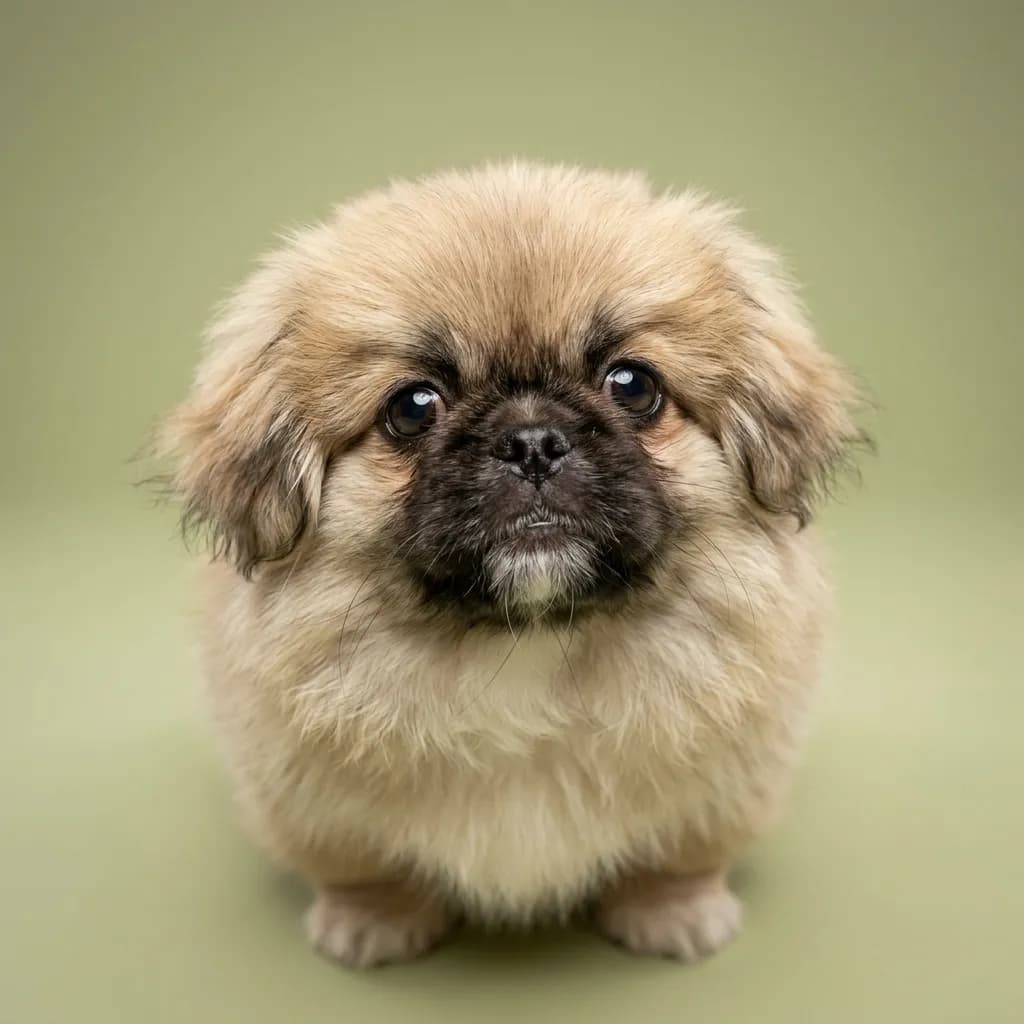
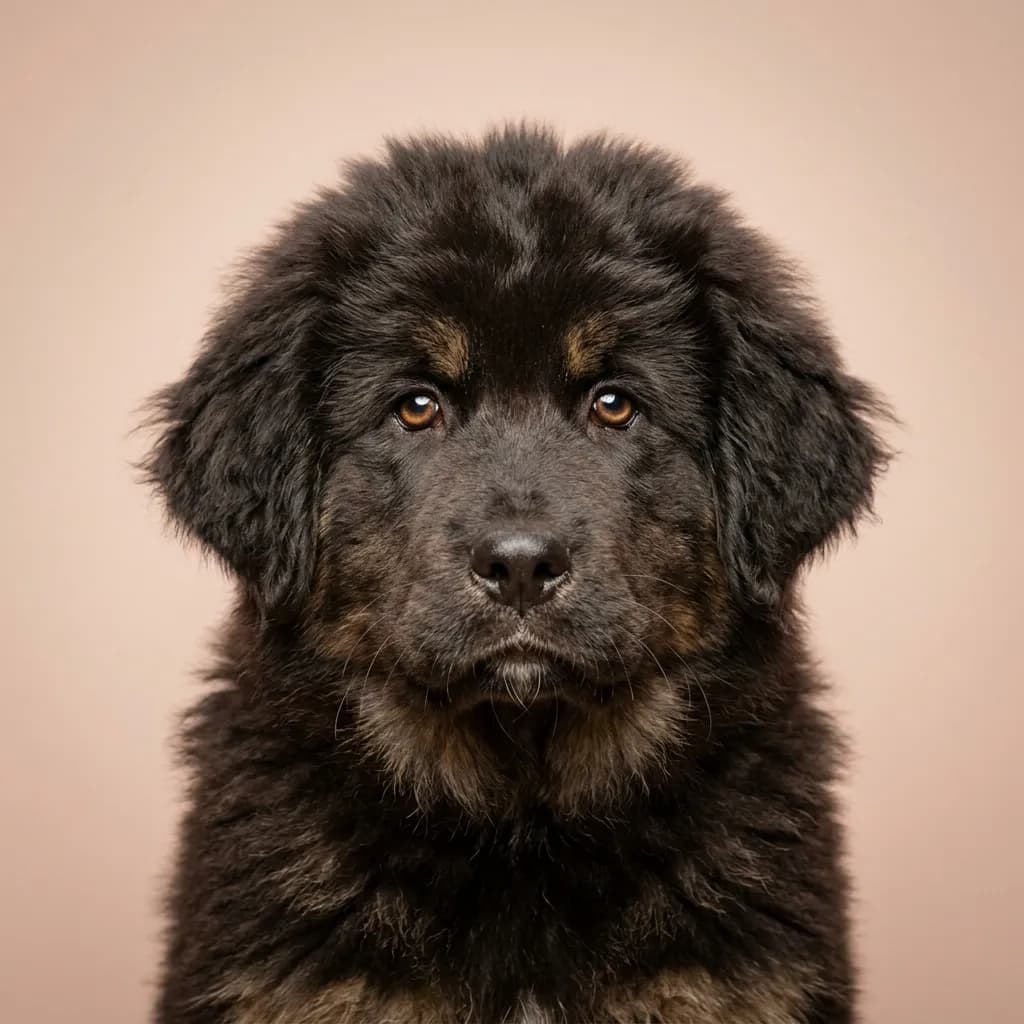
People compare Pekingese and Tibetan Mastiffs because they’re both ancient Chinese breeds with regal backstories, but that’s where the similarity ends. One was carried in the sleeve of an emperor’s robe. The other stood guard against wolves on the Himalayan plateau. If you’re choosing between them, you’re really deciding between a living jewel and a four-legged fortress. The Pekingese is a compact companion, perfect for apartment life, seniors, or anyone who wants a devoted lap dog that doesn’t need much exercise. They’re affectionate to a fault, stubborn but dignified, and surprisingly tough for their size. But they snore, overheat easily in warm weather, and aren’t great with rambunctious kids. They’re not barkers, which is nice, but their health issues. like breathing problems and spinal risks. mean vet bills can add up. The Tibetan Mastiff is in another universe. Weighing up to 150 pounds with a coat like a lion, this dog needs space, cold weather, and an owner who understands dominant breeds. They’re not pets in the traditional sense. They’re guardians, aloof with strangers, deeply loyal to their family, and prone to barking at anything that moves. Training is a challenge, not because they’re dumb. they’re sharp. but because they were bred to make their own decisions. You don’t own a Tibetan Mastiff. You negotiate with it. Here’s the real talk: the Pekingese thrives on closeness, but the Tibetan Mastiff respects distance. Pick the Pekingese if you want a constant, velcro-like companion. Pick the Mastiff if you’re okay with a noble, semi-independent protector who’ll patrol the yard like it’s his personal kingdom. Just don’t get either if you’re looking for a dog to hike with you in July.
Trait-by-trait
Higher bar = more of that trait. Shedding, barking, drooling, grooming flipped for readability.Where they diverge
Choose the Pekingese if…
- Apartment living
- Seniors
- Singles or couples
- You value good with strangers — Pekingese scores noticeably higher.
Choose the Tibetan Mastiff if…
- Experienced large-breed owners
- Cold climate households
- Those wanting a serious guardian breed
- You value drooling level — Tibetan Mastiff scores higher here.