Pembroke Welsh Corgi vs Schipperke
Side-by-side comparison across all 14 AKC trait ratings, with a clear verdict on which breed fits which kind of household.
Not sure which breed fits your life?
Answer five questions about your home, your schedule, and your tolerance for shedding. We’ll match you to your top three breeds from over 200.
Pembroke Welsh Corgi vs Schipperke
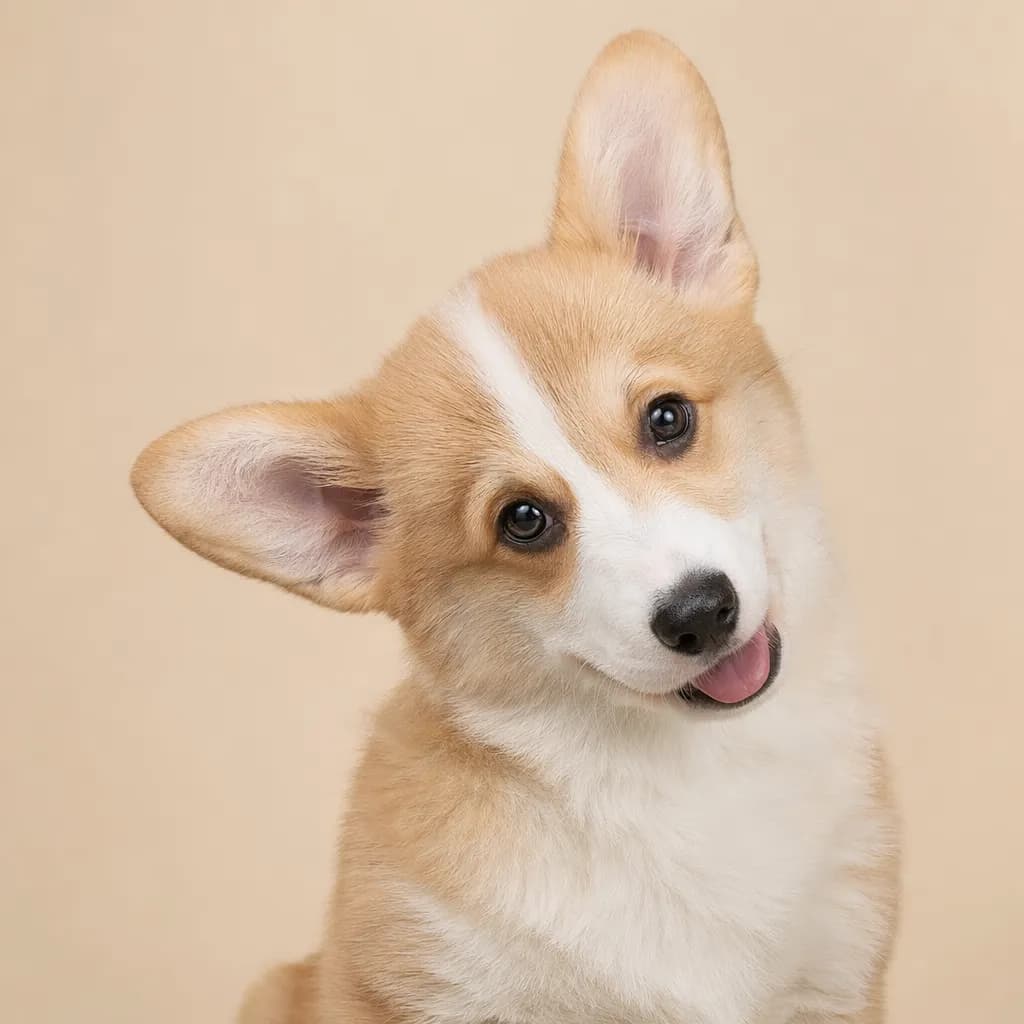
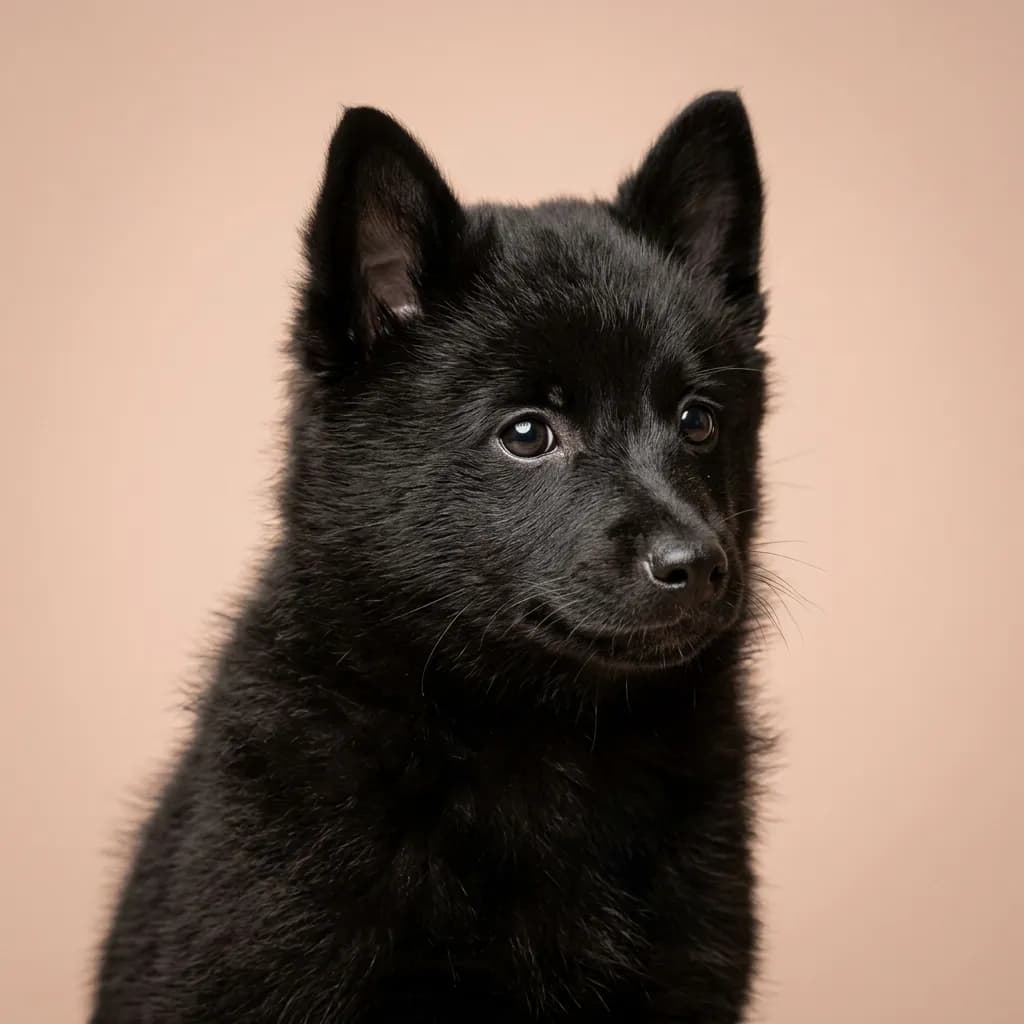
People compare Pembroke Welsh Corgis and Schipperkes because they’re both small, sharp, and pack a big-dog attitude in a compact frame. They’ve got that “I’m in charge” look and don’t shy from barking at a leaf that moves wrong. But if you’re choosing between them, you’re really choosing between a social butterfly with a workaholic streak and a mischievous little sentinel with a mind of its own. The Corgi is the extrovert of the two. They’ll herd your kids around the yard, fetch the ball until you collapse, and still want to cuddle after. They’re affectionate to a fault, smart enough to learn tricks in minutes, and need serious mental and physical input. But they shed. constantly. and that low-slung back makes them prone to spinal issues if you let them jump too much. They’re better for active homes where someone’s always game for a walk or a puzzle toy. The Schipperke is more independent. They’re curious, bold, and will patrol your property like it’s their personal fortress. Less energetic than a Corgi, but don’t mistake that for lazy. They’ve got bursts of intensity and a natural suspicion of strangers. They don’t shed as much, but their thick double coat blows out twice a year in a black fur blizzard. They’re better for someone who wants a watchful, low-maintenance companion. just don’t expect perfect recall at the dog park. Here’s the real talk: Corgis want to be part of your life, every second of it. Schipperkes tolerate being part of yours. as long as they get to make the final call. Pick the Corgi if you want a partner. Pick the Schipperke if you’re okay with a tiny, furry landlord.
Trait-by-trait
Higher bar = more of that trait. Shedding, barking, drooling, grooming flipped for readability.Where they diverge
Choose the Pembroke Welsh Corgi if…
- Active families
- Apartment or small home living with exercise
- Dog sport enthusiasts
- You value good with other dogs — Pembroke Welsh Corgi scores noticeably higher.
Choose the Schipperke if…
- Active owners
- Those wanting a small but bold breed
- Suburban or rural settings