Pomeranian vs Pyrenean Shepherd
Side-by-side comparison across all 14 AKC trait ratings, with a clear verdict on which breed fits which kind of household.
Not sure which breed fits your life?
Answer five questions about your home, your schedule, and your tolerance for shedding. We’ll match you to your top three breeds from over 200.
Pomeranian vs Pyrenean Shepherd
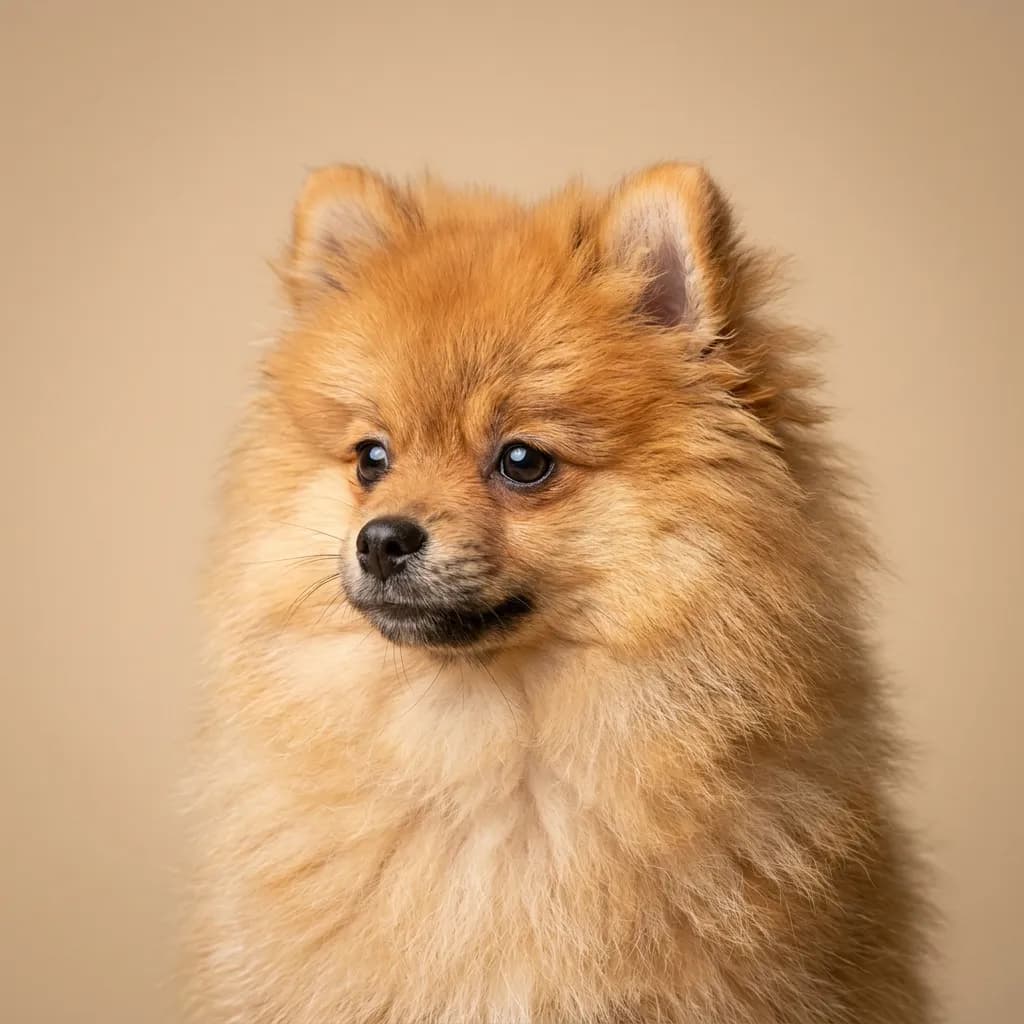
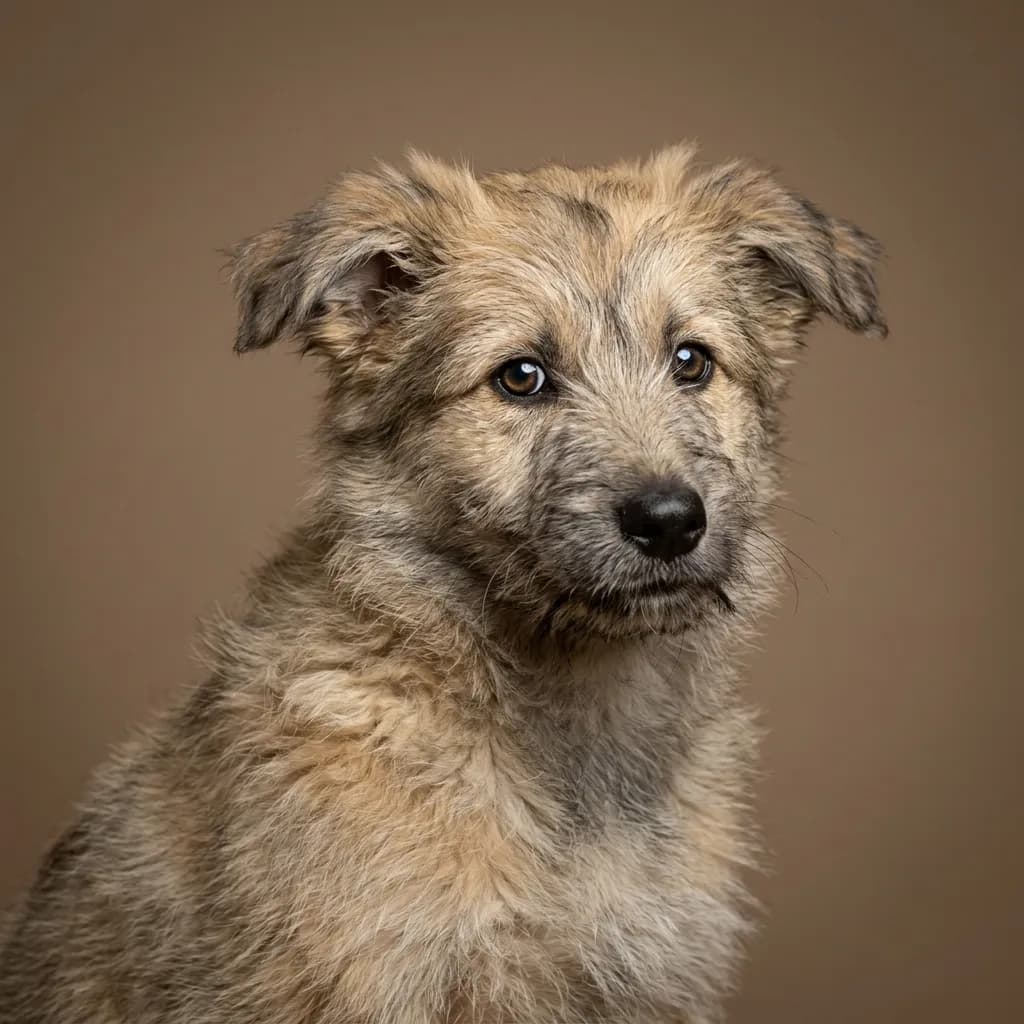
People compare Pomeranians and Pyrenean Shepherds because both are smallish, energetic dogs with big personalities and fluffy coats. But that’s where the similarity ends. Think of it like this: the Pomeranian is the chatty, velcro lapdog that rides in your purse and alerts you to every leaf that falls in your yard. The Pyrenean Shepherd is the wiry, intense athlete built for all-day movement, bred to cover miles in mountain terrain, and happiest when solving problems or working a task. If you’re choosing between them, you’re really deciding what kind of life you want to share. The Pom thrives in a quiet apartment with a retiree who enjoys routine, daily walks, and a dog that’s always by their side. just be ready for the barking and the grooming. The Pyrenean Shepherd needs a job, literally. You’ll need agility equipment, hiking trails, or herding trials. This isn’t a couch dog. You’ll need time, energy, and experience. They’re both affectionate and smart, but the Pyrenean’s intelligence demands mental fuel. skip it, and you’ll come home to chewed baseboards or a dismantled trash can. Families with young kids should think twice about both. Poms are fragile, Pyrenees are intense. But here’s the real talk: Pomeranians are often treated like toys, which leads to small dog syndrome if you don’t set boundaries early. And Pyrenean Shepherds, despite their size, are not small-dog-energy. they’re medium-dog power in a compact frame. If you're inactive, the Pyrenean will exhaust you. If you want a silent, low-maintenance pet, the Pom will disappoint. Choose the Pom for charm and convenience. Choose the Pyrenean for partnership and purpose.
Trait-by-trait
Higher bar = more of that trait. Shedding, barking, drooling, grooming flipped for readability.Where they diverge
Choose the Pomeranian if…
- Apartment living
- Seniors or retirees
- Those wanting an alert watchdog
- You value coat grooming — Pomeranian scores noticeably higher.
Choose the Pyrenean Shepherd if…
- Highly active owners
- Dog sports enthusiasts
- Herding enthusiasts
- You value playfulness — Pyrenean Shepherd scores higher here.