Pomeranian vs Welsh Terrier
Side-by-side comparison across all 14 AKC trait ratings, with a clear verdict on which breed fits which kind of household.

Not sure which breed fits your life?
Answer five questions about your home, your schedule, and your tolerance for shedding. We’ll match you to your top three breeds from over 200.
Pomeranian vs Welsh Terrier
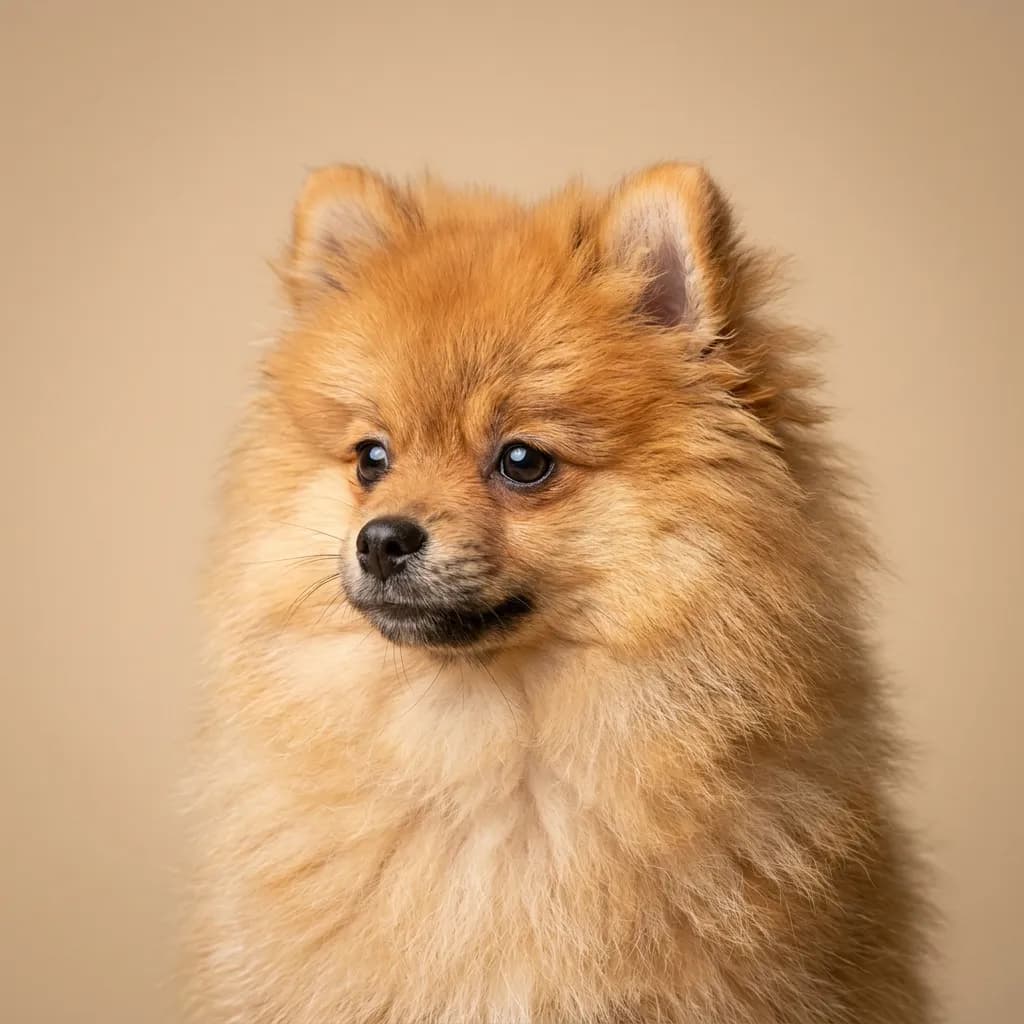
People compare Pomeranians and Welsh Terriers because both are small, spirited dogs with big personalities and that distinctive “spiky” terrier-like look. especially when a Pomeranian’s hackles are up. But don’t let the fluff fool you. These breeds are worlds apart in what they need and how they live. A Pomeranian is your shadow in a puffball. At just 3 to 7 pounds, it’s built for laps, not long hikes. It’ll bark at the mail carrier, the falling leaf, and its own reflection. love it or hate it, you’re getting a vocal little watchdog. Great for apartment dwellers or retirees wanting constant company, but not ideal if you’ve got toddlers underfoot or value quiet. They’re bold to the point of fearlessness, which means they don’t always know their size. Grooming isn’t optional. it’s weekly, sometimes daily. Now, the Welsh Terrier? Think of a compact adventurer with a wiry coat and a need for purpose. At 20 pounds and 15 inches, it’s nearly three times the size and built for action. Bred to go to ground after foxes, it’s got stamina, grit, and a nose that’s always working. It’s just as affectionate, but it needs real mental challenges. without them, it’ll dig up your yard or figure out how to open cabinets. Kids adore them, and they return the love. Shedding is low, but the coat needs stripping or clipping every few weeks. Here’s the real talk: Pomeranians thrive on presence. They want to be seen and held. Welsh Terriers want partnership. they’re not accessories, they’re teammates. If you’re gone a lot or sedentary, the Pomeranian might suit you better. But if you’re active, have older kids, and want a dog that’s game for anything, the Welsh Terrier will surprise you with its loyalty and pluck. One thing’s certain. neither will bore you.
Trait-by-trait
Higher bar = more of that trait. Shedding, barking, drooling, grooming flipped for readability.Where they diverge
Choose the Pomeranian if…
- Apartment living
- Seniors or retirees
- Those wanting an alert watchdog
Choose the Welsh Terrier if…
- Active families
- Those wanting a spirited, playful companion
- Families with children
- You value good with young children — Welsh Terrier scores higher here.