Pomeranian vs Working Kelpie
Side-by-side comparison across all 14 AKC trait ratings, with a clear verdict on which breed fits which kind of household.

Not sure which breed fits your life?
Answer five questions about your home, your schedule, and your tolerance for shedding. We’ll match you to your top three breeds from over 200.
Pomeranian vs Working Kelpie
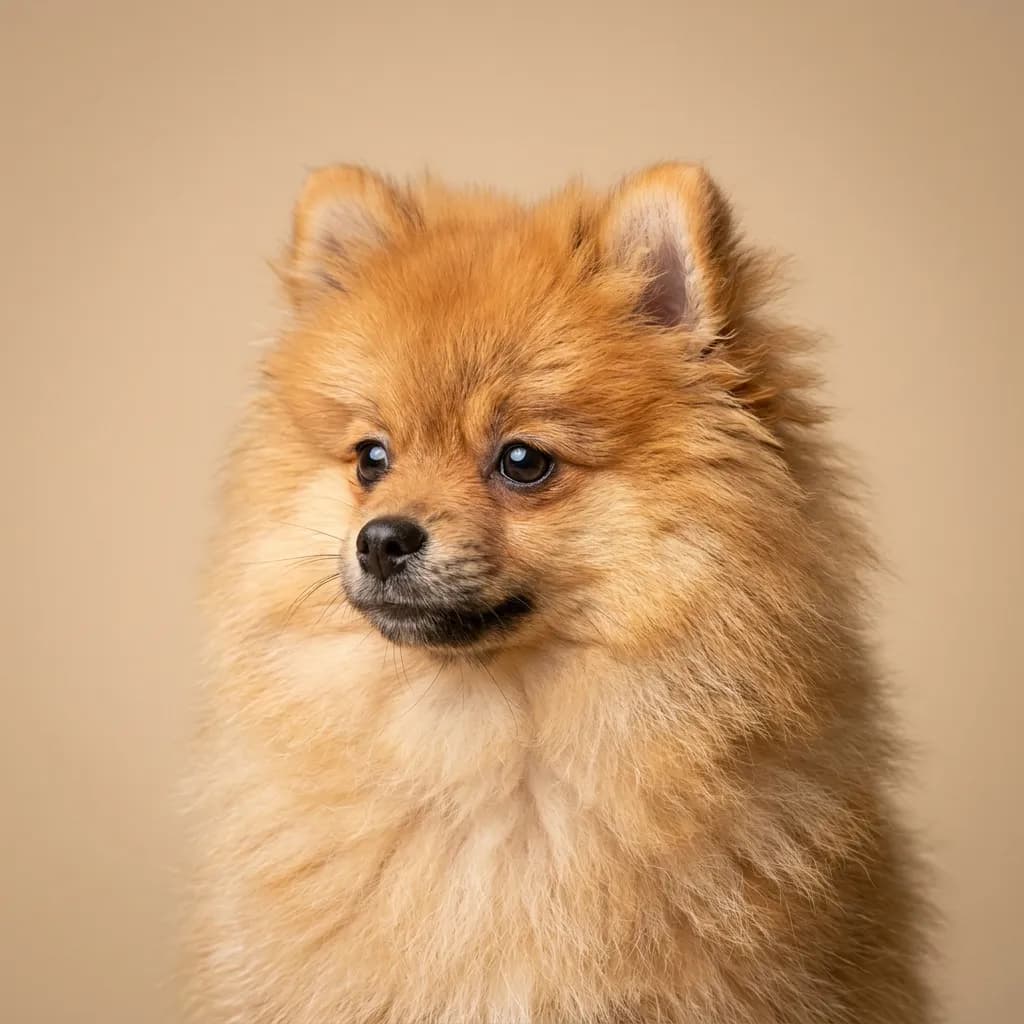
You don’t see Pomeranians and Working Kelpies in the same conversation unless someone’s deep in the weeds of dog breeds or realizing too late that looks can be dangerously deceiving. People compare them because both are energetic, intelligent, and loyal in their own ways. but that’s where the similarity ends. One fits in your purse, the other in a pickup truck. The Pomeranian is the tiny firecracker of the toy world, bold as hell and ready to sound the alarm at a falling leaf. At 3 to 7 pounds, it’s built for lap lounging and city living, thriving in apartments with seniors or singles who want a feisty little shadow. But don’t be fooled by the fluff. That coat needs brushing twice a week, and that bark? It’s nonstop unless you train early. They’re affectionate to a fault but can be snappy with toddlers. more suited to calm homes than chaotic ones. Now, the Working Kelpie? This dog doesn’t live in your home, it works beside you. Bred to herd sheep across 1,000-acre properties, it’s got motor, brains, and an obsession with purpose. At 28 to 60 pounds, it’s medium to large, with endless stamina and a mind that needs jobs. fast. You can’t “walk” this dog. You need to work it. Hikes, agility, herding trials. something. Without it, you’ll get chewed shoes and a dog that’s quietly losing its mind. Here’s the truth the data won’t tell you: a bored Kelpie is destructive but manageable with effort. A bored Pomeranian is just loud, anxious, and harder to fix. Pick the Pom if you want charm and alertness in a tiny package and don’t mind the noise. Pick the Kelpie only if you’ve got space, activity, and a job lined up. because this dog isn’t a pet. It’s a partner.
Trait-by-trait
Higher bar = more of that trait. Shedding, barking, drooling, grooming flipped for readability.Where they diverge
Choose the Pomeranian if…
- Apartment living
- Seniors or retirees
- Those wanting an alert watchdog
- You value affectionate w/ family — Pomeranian scores noticeably higher.
Choose the Working Kelpie if…
- Farmers and ranchers
- Experienced dog owners
- Active rural lifestyles
- You value good with young children — Working Kelpie scores higher here.