Poodle vs Schipperke
Side-by-side comparison across all 14 AKC trait ratings, with a clear verdict on which breed fits which kind of household.
Not sure which breed fits your life?
Answer five questions about your home, your schedule, and your tolerance for shedding. We’ll match you to your top three breeds from over 200.
Poodle vs Schipperke
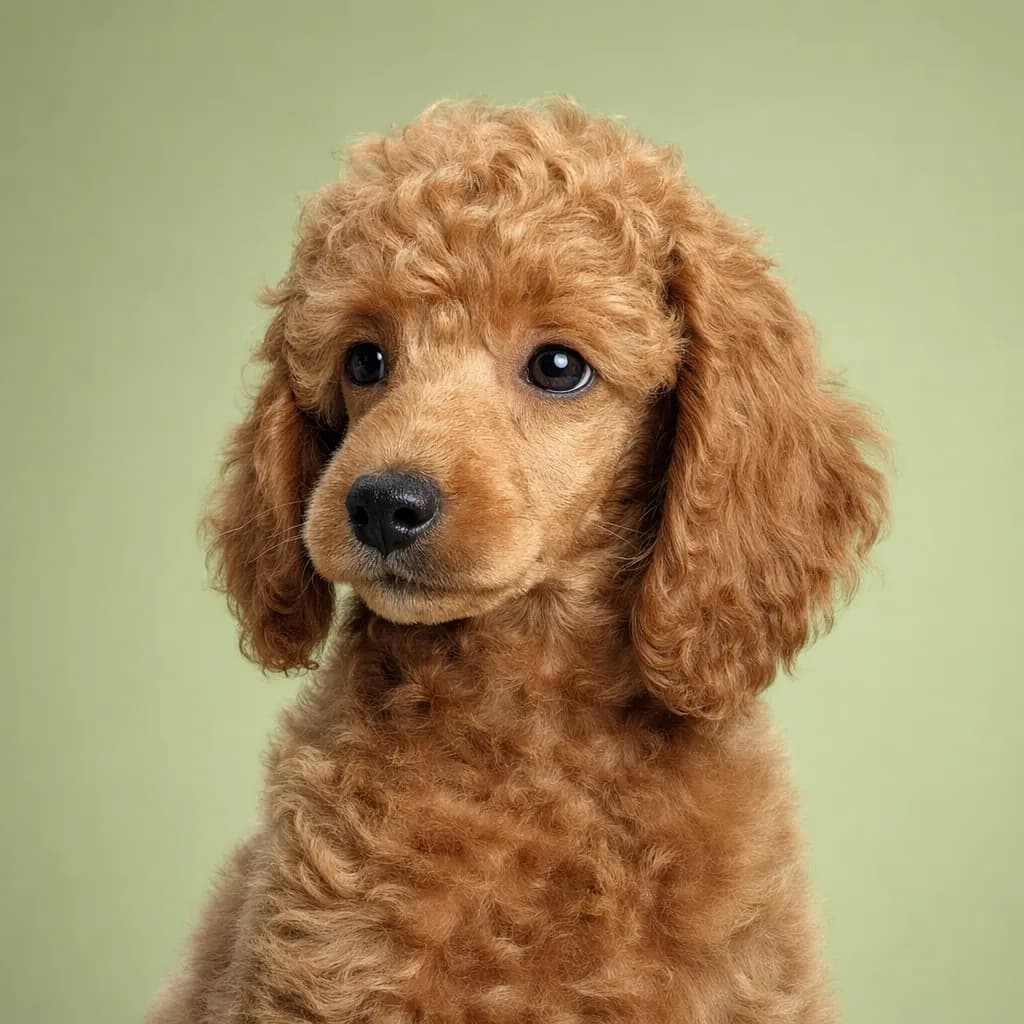
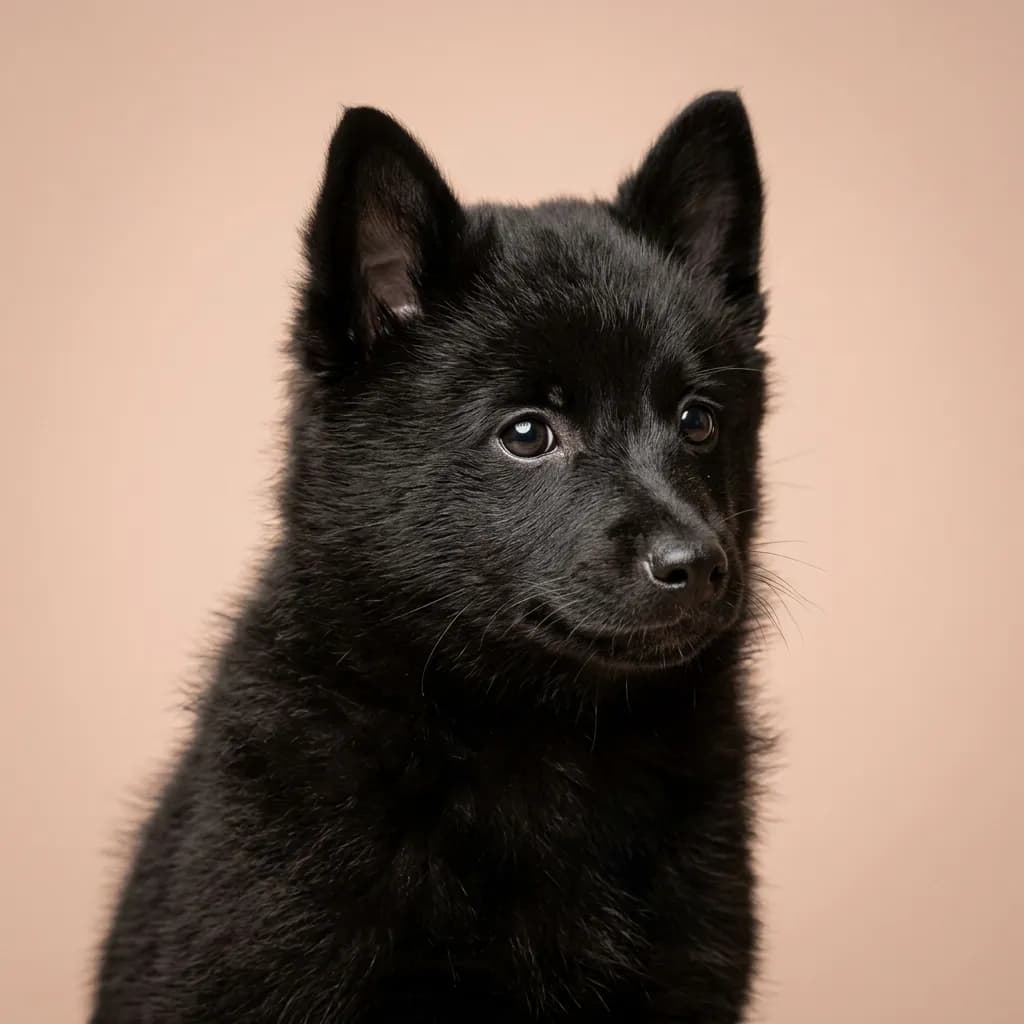
People compare Standard Poodles and Schipperkes because both are spirited, intelligent dogs with fox-like expressions and a certain regal flair. But that’s where the similarities end. You’re not just choosing between big and small. You’re choosing between a dog athlete and a tiny firecracker with a Napoleon complex. The Standard Poodle is the all-rounder genius. At 40 to 70 pounds, they’re substantial, graceful, and built for action. They thrive on dog sports, family hikes, and puzzle toys. Their trainability is off the charts. This is the dog that learns a new trick in ten minutes and remembers it for life. But you’ll pay for that brilliance with grooming. weekly brushing, regular clips, and trips to the salon. Skip it and their curly coat mats fast. They bond deeply with everyone, including kids, and adapt to city apartments or country homes if exercised well. The Schipperke, under 16 pounds, is a different beast. Originally guarding Belgian barges, they’re bold, inquisitive, and bark at anything that moves. They’re affectionate with their people but can be reserved or feisty with strangers and small pets. They shed moderately and need less grooming than a Poodle, but their energy is more about alertness than stamina. They’re clever, but with a stubborn streak. You’ll need patience in training, especially around distractions. The real insight? The Poodle needs a job, the Schipperke thinks it already has one. Poodles want to please. Schipperkes want to supervise. If you want a dog that’s always ready for the next challenge and don’t mind the upkeep, go Poodle. If you want a fearless little guardian with a big personality and can handle some bark and attitude, the Schipperke will own your home. and your heart. on its own terms.
Trait-by-trait
Higher bar = more of that trait. Shedding, barking, drooling, grooming flipped for readability.Where they diverge
Choose the Poodle if…
- Allergy sufferers
- Active families
- First-time owners
- You value good with young children — Poodle scores noticeably higher.
Choose the Schipperke if…
- Active owners
- Those wanting a small but bold breed
- Suburban or rural settings
- You value shedding level — Schipperke scores higher here.