Porcelaine vs Sussex Spaniel
Side-by-side comparison across all 14 AKC trait ratings, with a clear verdict on which breed fits which kind of household.

Not sure which breed fits your life?
Answer five questions about your home, your schedule, and your tolerance for shedding. We’ll match you to your top three breeds from over 200.
Porcelaine vs Sussex Spaniel
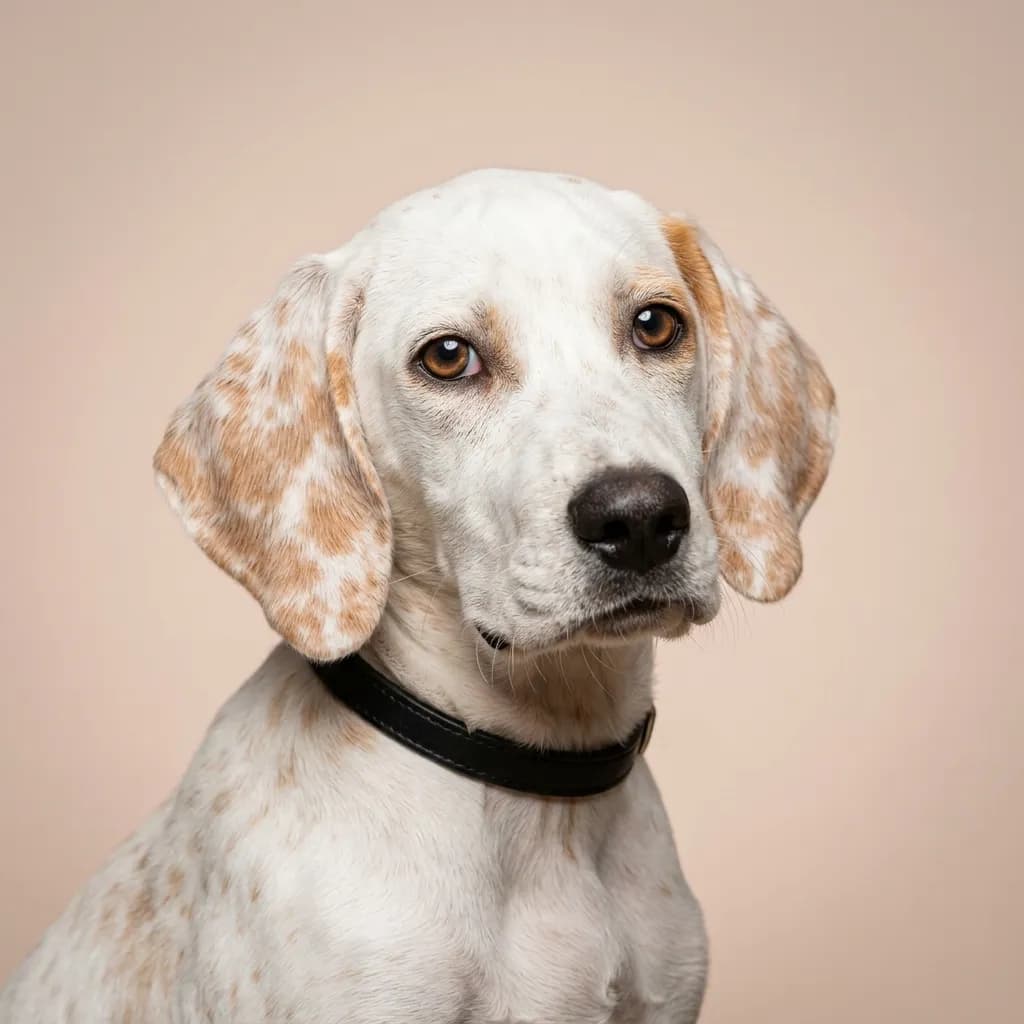
You’re probably comparing these two because they’re both rare, both spaniel-type dogs with rich histories in hunting, and both carry that old-world charm that makes dog nerds light up. But that’s where the similarities end. Think of the Porcelaine as the lean, driven athlete of the French woods, built to course through dense forests at speed, tracking big game with relentless focus. This is a dog that lives to work, with energy to burn and a nose that never clocks out. You’ll need acres, serious outdoor engagement, or hunting ambitions, because confining this dog to suburban life will backfire fast. It’s affectionate and smart, yes, but it demands purpose. The Sussex Spaniel, meanwhile, is the gentle soul of the English countryside. He’s built low and solid, moves deliberately, and thrives in rhythm with a slower, more deliberate hunt through thick underbrush. He’s deeply affectionate, loves being part of the family, and adapts better to different living situations. even if he still needs daily walks and some structure. The real difference? Pace and partnership. The Porcelaine is a teammate for the serious hunter or active handler who speaks fluent dog. The Sussex is a companion first, happiest with a steady routine and a lap nearby. Here’s the unspoken truth: the Sussex looks sturdy but is actually more medically fragile over time, especially with back and heart issues. The Porcelaine might be high-octane, but structurally, it’s often sounder. If you want a dog that leans into your life, pick the Sussex. If you want a canine partner that pulls you into theirs, the Porcelaine might be your match. just make sure you can keep up.
Trait-by-trait
Higher bar = more of that trait. Shedding, barking, drooling, grooming flipped for readability.Where they diverge
Choose the Porcelaine if…
- hunters
- active rural owners
- pack hound enthusiasts
- You value good with young children — Porcelaine scores noticeably higher.
Choose the Sussex Spaniel if…
- Moderately active owners
- Hunters in dense cover
- Families with children
- You value coat grooming — Sussex Spaniel scores higher here.