Portuguese Water Dog vs Shiba Inu
Side-by-side comparison across all 14 AKC trait ratings, with a clear verdict on which breed fits which kind of household.
Not sure which breed fits your life?
Answer five questions about your home, your schedule, and your tolerance for shedding. We’ll match you to your top three breeds from over 200.
Portuguese Water Dog vs Shiba Inu
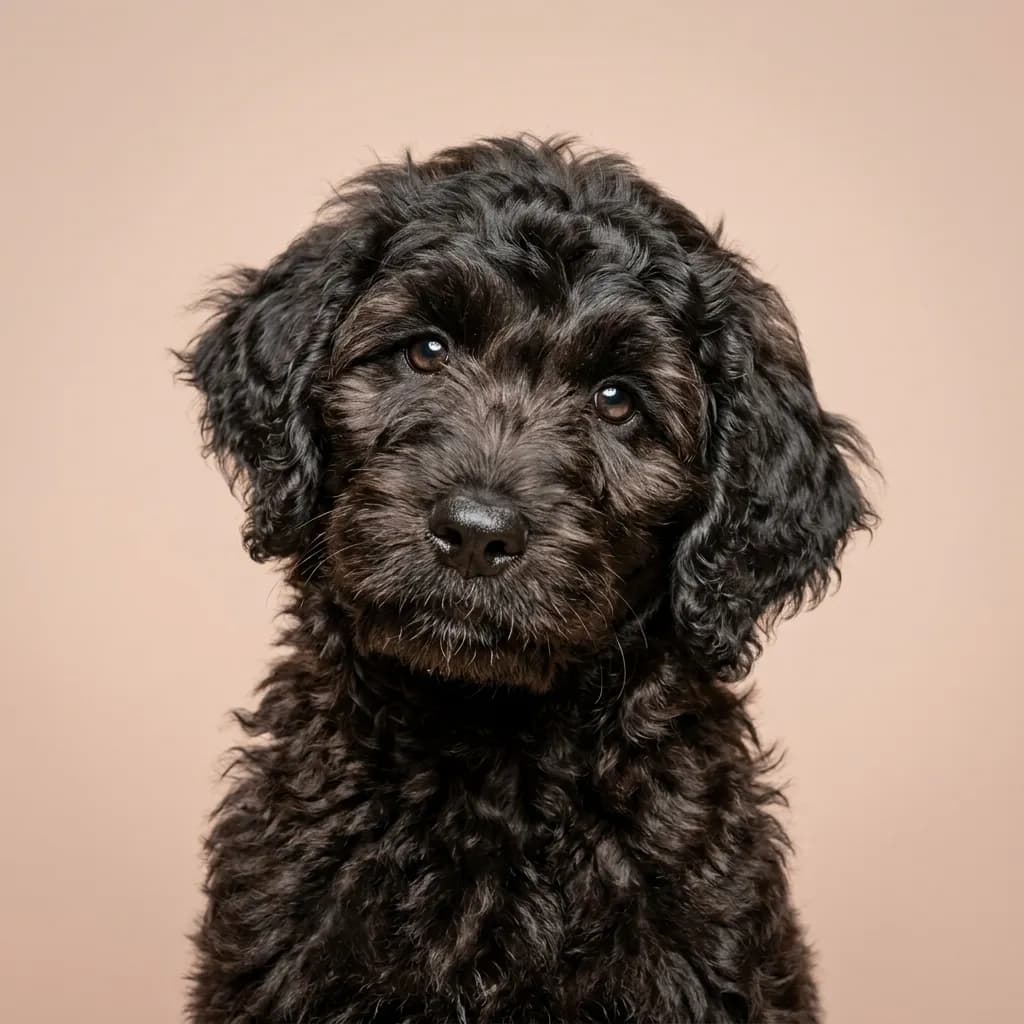
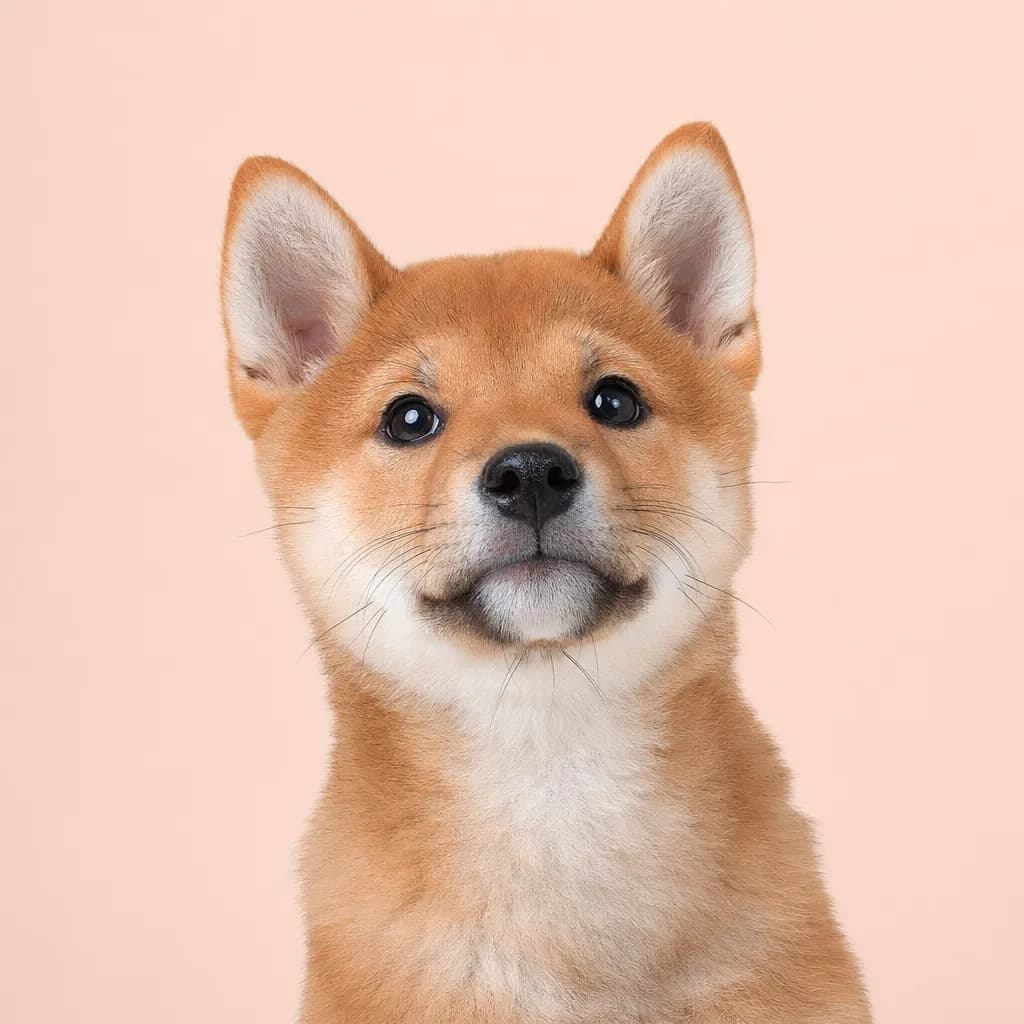
People often compare Portuguese Water Dogs and Shiba Inus because they look vaguely similar at a glance—curly or thick-coated, alert ears, and tails curled over their backs. But that’s where the surface-level resemblance ends. These breeds couldn’t be more different under the skin, and choosing between them really comes down to what kind of relationship you want with your dog. The Portuguese Water Dog is an all-in, full-hearted partner. Bred to work with people on boats, they thrive on connection, activity, and mental challenges. You’ll need to swim, hike, or do dog sports together regularly. They’re fantastic with kids, easy to train, and surprisingly adaptable—just don’t expect them to nap while you binge TV. They need grooming every few weeks, and while they’re considered hypoallergenic, that curly coat traps dander and needs maintenance. Then there’s the Shiba Inu—a dog that loves you deeply but on their terms. Think of them as the feline of the dog world. Independent, fastidiously clean, and notoriously stubborn in training. They’re not the kind of dog that will fetch for hours or follow complex commands reliably. But they bring a quiet dignity and fierce loyalty to homes with secure yards and patient, experienced owners. They don’t do well with small pets, and their strong prey drive means squirrels are basically sworn enemies. Here’s the real talk: if you want a dog that feels like an extension of your active life, go for the PWD. But if you want a reserved, charismatic companion who’ll keep you humble and occasionally ignore you—it’s the Shiba. And that independence? It’s not aloofness. It’s pride.
Trait-by-trait
Higher bar = more of that trait. Shedding, barking, drooling, grooming flipped for readability.Where they diverge
Choose the Portuguese Water Dog if…
- Allergy sufferers
- Active families
- Water and outdoor enthusiasts
- You value trainability — Portuguese Water Dog scores noticeably higher.
Choose the Shiba Inu if…
- Experienced dog owners
- Those wanting a cat-like independence
- Active owners
- You value shedding level — Shiba Inu scores higher here.