Pudelpointer vs Pyrenean Mastiff
Side-by-side comparison across all 14 AKC trait ratings, with a clear verdict on which breed fits which kind of household.
Not sure which breed fits your life?
Answer five questions about your home, your schedule, and your tolerance for shedding. We’ll match you to your top three breeds from over 200.
Pudelpointer vs Pyrenean Mastiff
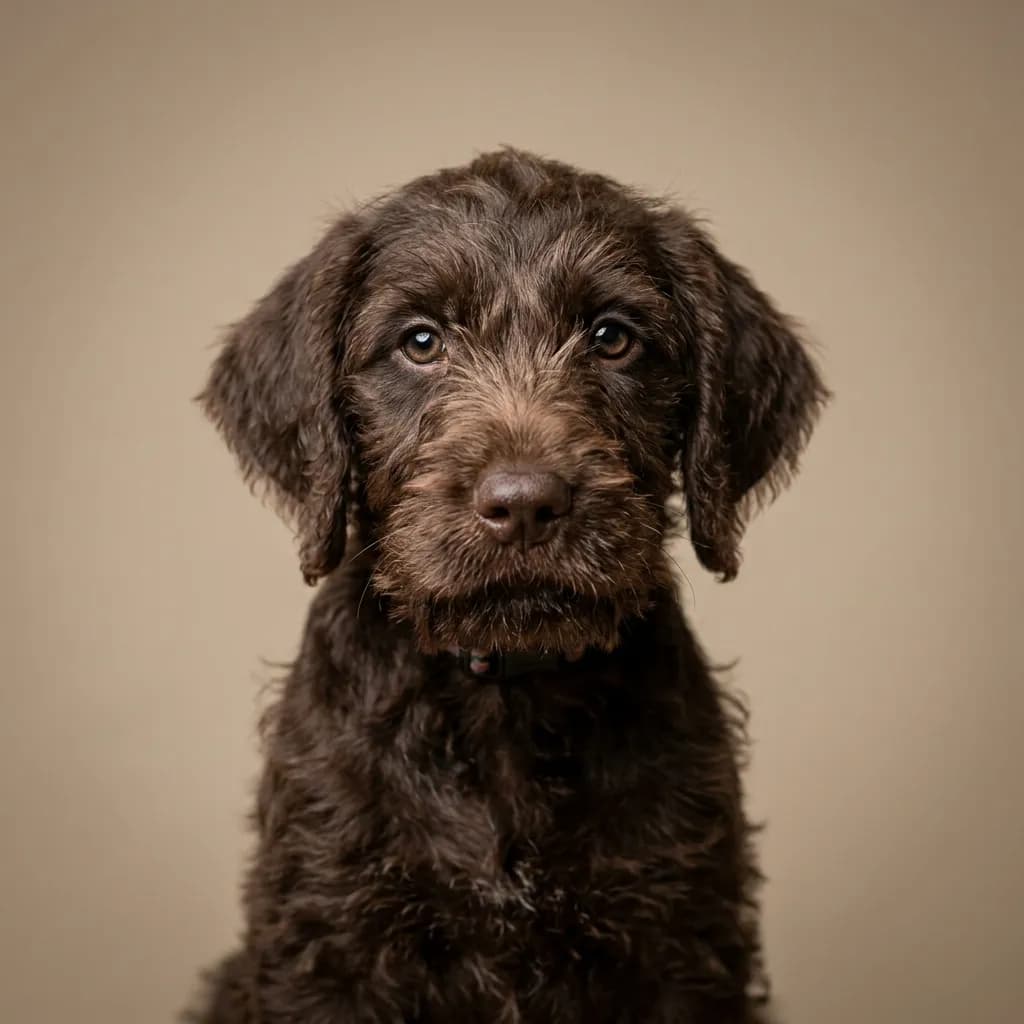
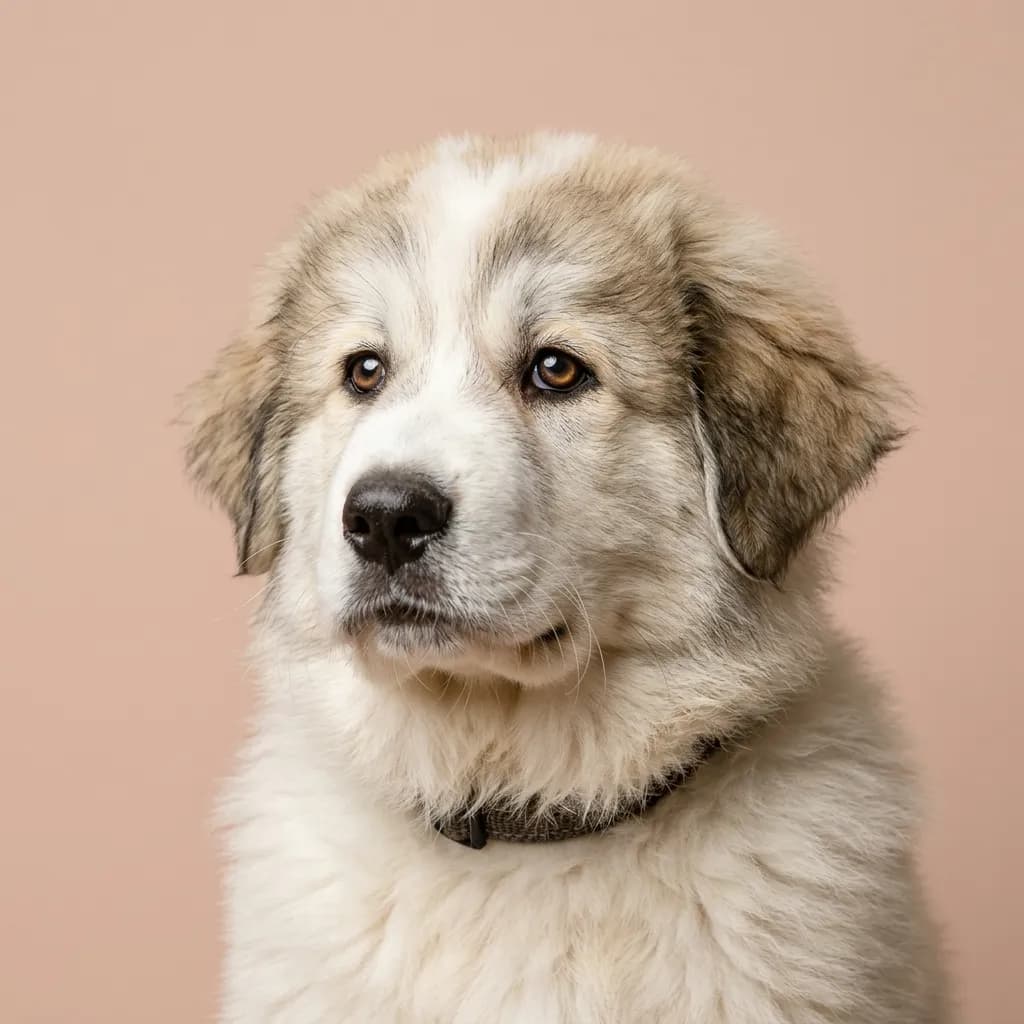
You don’t see Pudelpointers and Pyrenean Mastiffs in the same room very often—literally. One’s built for sprinting through marshes at dawn, the other for standing sentry over a flock in the high mountains. But people compare them when they’re deep in the weeds of working dog research, trying to understand what “versatile” really means across wildly different roles. The Pudelpointer is your partner in motion. If you’re up before sunrise, duck blind packed, or chasing birds across open fields, this dog lives for that rhythm. It’s smart, eager to learn, and thrives on mental and physical challenges. You’ll need space, time, and an outlet for its energy. Without it, you’ll get a frustrated thinker who re-routes your garden or barks at the mailman just to feel something. It’s affectionate but not clingy, and it’s great with kids if they’re part of the action. Just don’t expect it to nap on your lap. The Pyrenean Mastiff is the quiet giant who watches everything. It’s not fast, not flashy, but deeply loyal and instinctively protective. It doesn’t need hours of training drills—just space, structure, and a job like guarding a property or being part of a calm, experienced household. It’s gentle with kids, but its size alone means you need older ones. This isn’t a dog that adapts easily to city life or frequent travel. Here’s the real insight: the Pudelpointer needs a teammate. The Pyrenean Mastiff wants to be the protector. Pick based on who you are daily—not who you imagine you could be. One demands activity, the other demands respect for its space and role. Neither forgives being misunderstood.
Trait-by-trait
Higher bar = more of that trait. Shedding, barking, drooling, grooming flipped for readability.Where they diverge
Choose the Pudelpointer if…
- hunters
- very active owners
- waterfowl and upland bird hunters
- You value adaptability — Pudelpointer scores noticeably higher.
Choose the Pyrenean Mastiff if…
- Experienced large-breed owners
- Rural or farm settings
- Livestock guardian needs
- You value good with young children — Pyrenean Mastiff scores higher here.