Pudelpointer vs Rat Terrier
Side-by-side comparison across all 14 AKC trait ratings, with a clear verdict on which breed fits which kind of household.
Not sure which breed fits your life?
Answer five questions about your home, your schedule, and your tolerance for shedding. We’ll match you to your top three breeds from over 200.
Pudelpointer vs Rat Terrier
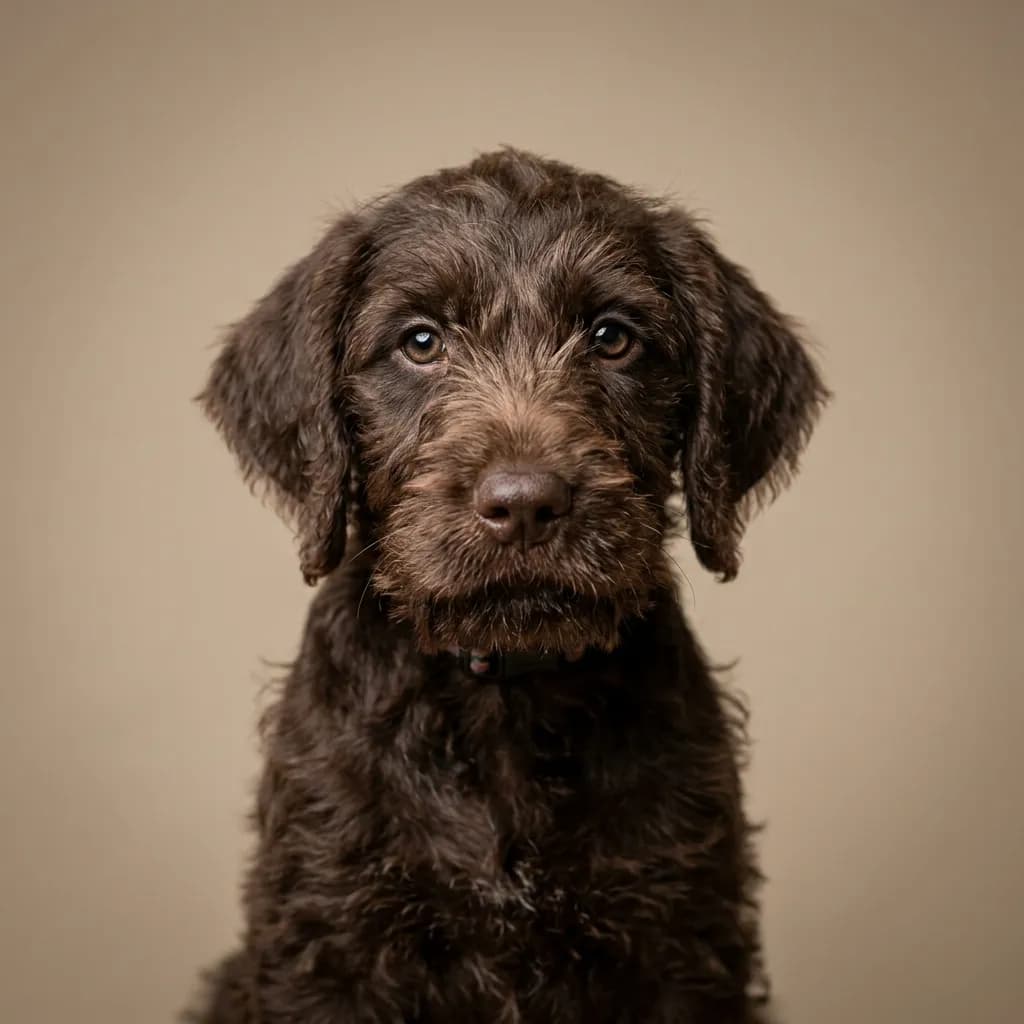
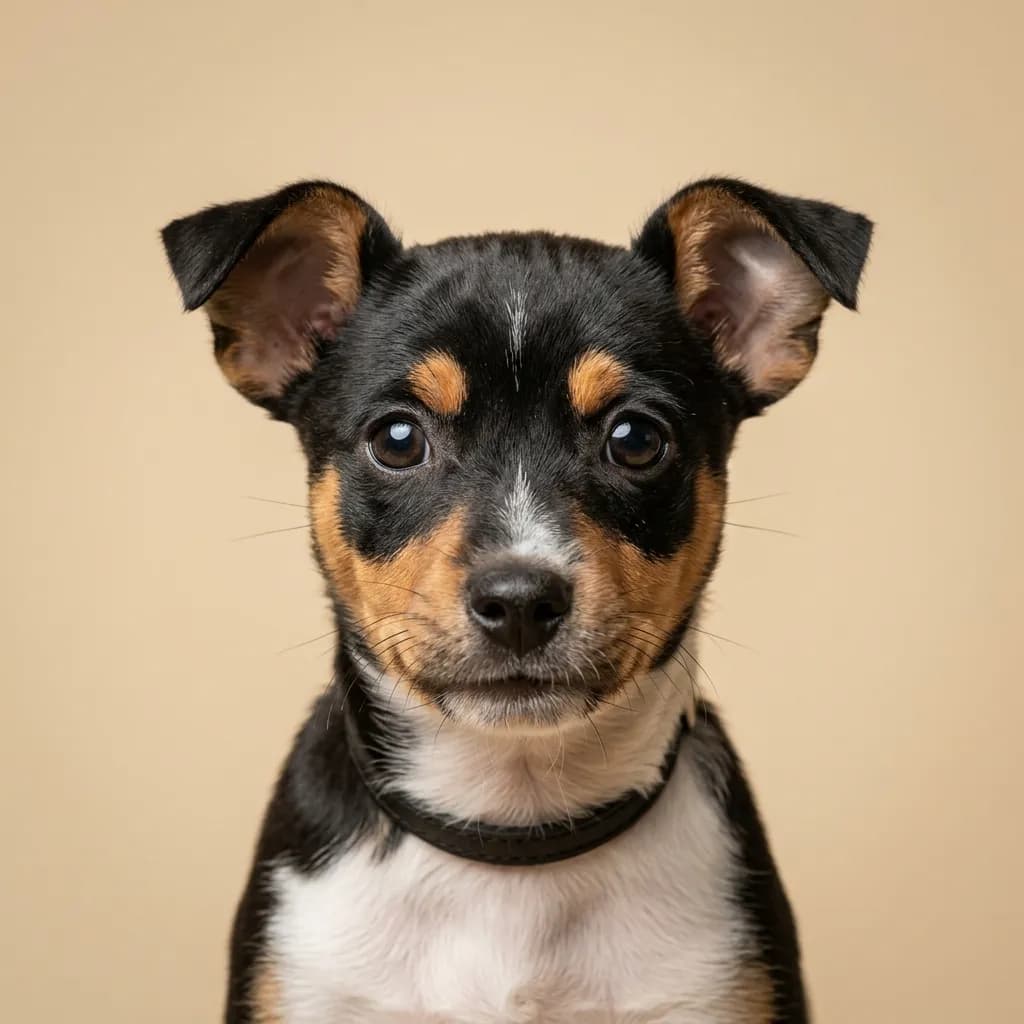
You don’t typically see a Pudelpointer and a Rat Terrier in the same dog park conversation, but people do compare them—usually because they’re hunting up a medium-energy, trainable dog that’s friendly with family and fun to train. Both are smart as whips, eager to please, and thrive on mental work. That’s where the similarity ends, though, and confusing them could mean a mismatch that lasts a lifetime. The Pudelpointer is a German-built hunting machine, 50 to 70 pounds of rugged, water-loving versatility. If you’re into bird hunting or spend weekends in the field tracking and retrieving, this dog will be your shadow. They’re calm indoors but need serious outdoor purpose—without it, they’ll find their own job, like redecorating your yard. They’re good with kids but not hyper-tuned to them, and they need space. A big yard is a start; a farm or access to fields is ideal. The Rat Terrier, meanwhile, clocks in under 25 pounds and fits in apartments just fine. Bred to chase rats off American barns, they’re feisty, curious, and deeply bonded to their people. They’re better with kids than Pudelpointers, more consistently affectionate, and adapt to city life without losing their spark. But they come with a warning: if you have a pet hamster or live near squirrels, they might not stay friends. Here’s the real talk: both need activity, but the Pudelpointer needs purpose. You can’t just walk a Pudelpointer. You have to work them. The Rat Terrier? They’ll be happy chasing a ball in a backyard or learning tricks on a balcony. Choose the Pudelpointer if your weekends smell like gun oil and wet grass. Choose the Rat Terrier if your life is full but urban, and you want a pocket-sized partner with a big personality.
Trait-by-trait
Higher bar = more of that trait. Shedding, barking, drooling, grooming flipped for readability.Where they diverge
Choose the Pudelpointer if…
- hunters
- very active owners
- waterfowl and upland bird hunters
- You value drooling level — Pudelpointer scores noticeably higher.
Choose the Rat Terrier if…
- Active families
- First-time dog owners
- Apartment or small home living
- You value good with young children — Rat Terrier scores higher here.