Pudelpointer vs Saluki
Side-by-side comparison across all 14 AKC trait ratings, with a clear verdict on which breed fits which kind of household.
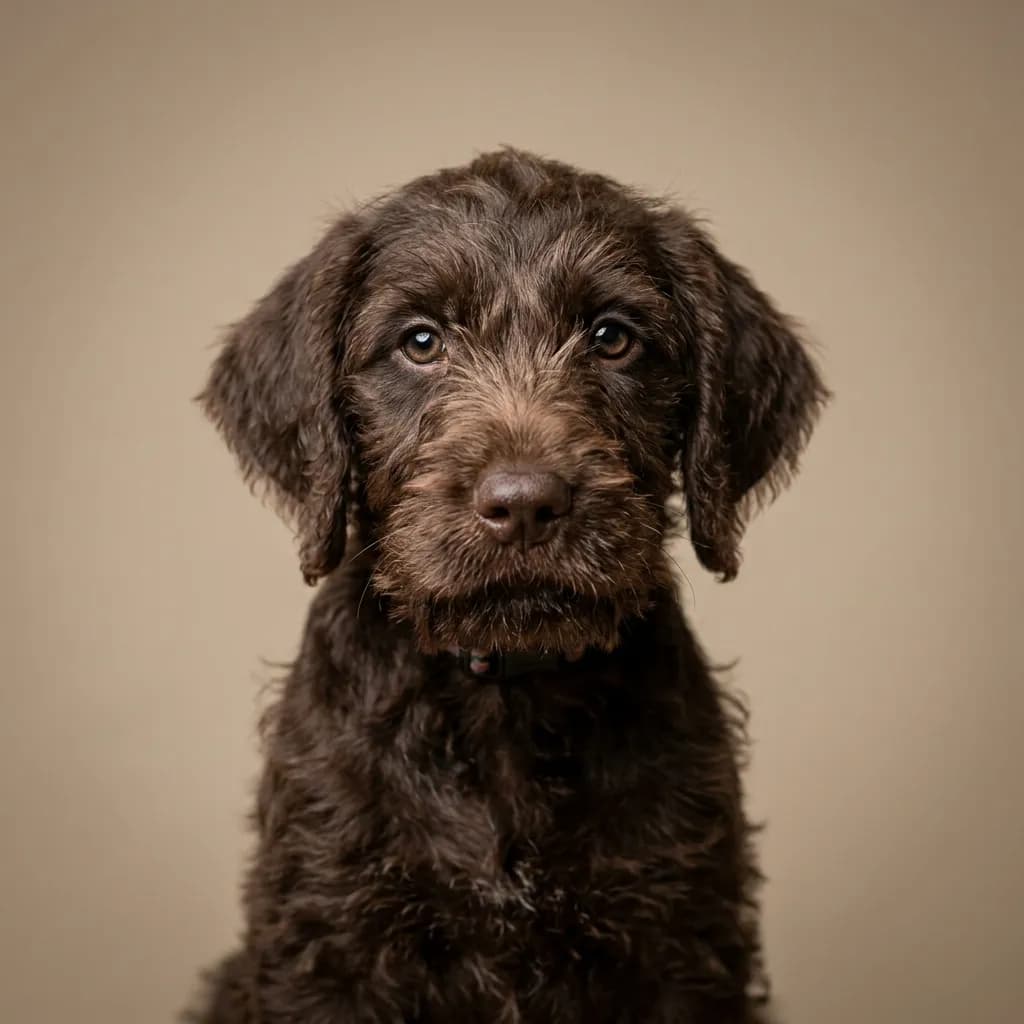
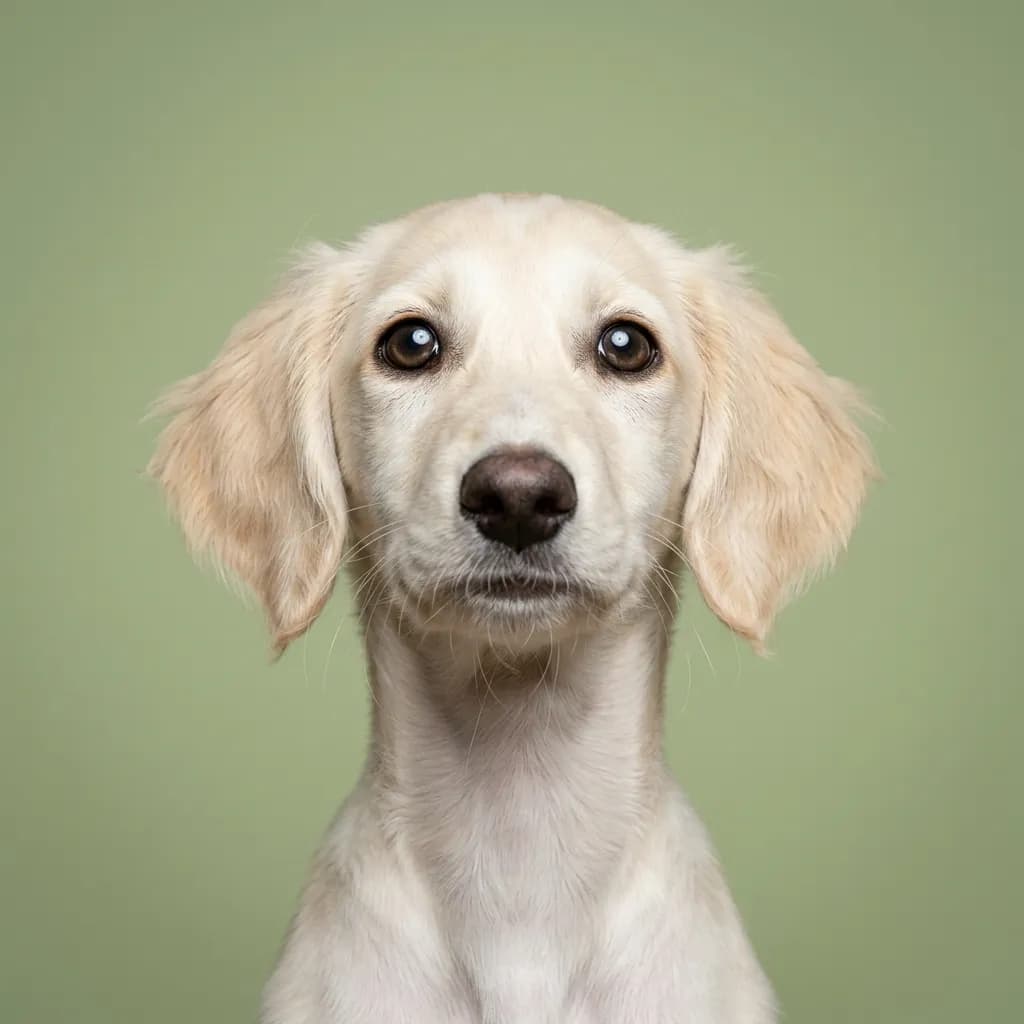
Not sure which breed fits your life?
Answer five questions about your home, your schedule, and your tolerance for shedding. We’ll match you to your top three breeds from over 200.
Pudelpointer vs Saluki
People compare Pudelpointers and Salukis because both are sleek, athletic dogs built for speed and endurance, and they share that rare combination of high energy with a calm indoor demeanor. On paper, they look somewhat similar—medium to large, graceful, bred for serious work. But their souls are different. If you’re torn between them, you’re really asking: Do I want a partner or a poet? The Pudelpointer is the ultimate hunting companion. This German versatile breed lives for the field. You’ll find them pointing birds, crashing through brush, diving into icy lakes—all with a grin. They’re smart, eager to please, and rank near the top in trainability. They bond deeply with active families and thrive on tasks. Without a job, they’ll invent one, like reorganizing your sock drawer at 3 a.m. They’re friendly but not overly clingy, and they do best with space and structure. The Saluki is more like a desert ghost—elegant, aloof, deeply sensitive. Bred to spot and chase prey across open terrain, they’re independent thinkers. You can’t boss them around. They’ll follow you with their eyes like silent philosophers, but don’t expect them to come when called every time. They’re affectionate on their terms, often choosing one person to shadow. They need secure fencing and safe spaces to sprint. Without it, they’ll vanish chasing a squirrel. Here’s the real difference: Pudelpointers want to work with you. Salukis want to work near you. Pick a Pudelpointer if you hunt, run, or train. Pick a Saluki if you appreciate quiet grace and can accept their emotional distance. And know this—both are escape artists, but for different reasons. The Pudelpointer will bolt after game. The Saluki will vanish into a daydream.
Trait-by-trait
Higher bar = more of that trait. Shedding, barking, drooling, grooming flipped for readability.Where they diverge
Choose the Pudelpointer if…
- hunters
- very active owners
- waterfowl and upland bird hunters
- You value drooling level — Pudelpointer scores noticeably higher.
Choose the Saluki if…
- Active owners with running space
- Experienced sighthound owners
- Those wanting an elegant, quiet breed
- You value affectionate w/ family — Saluki scores higher here.