Pudelpointer vs Sealyham Terrier
Side-by-side comparison across all 14 AKC trait ratings, with a clear verdict on which breed fits which kind of household.
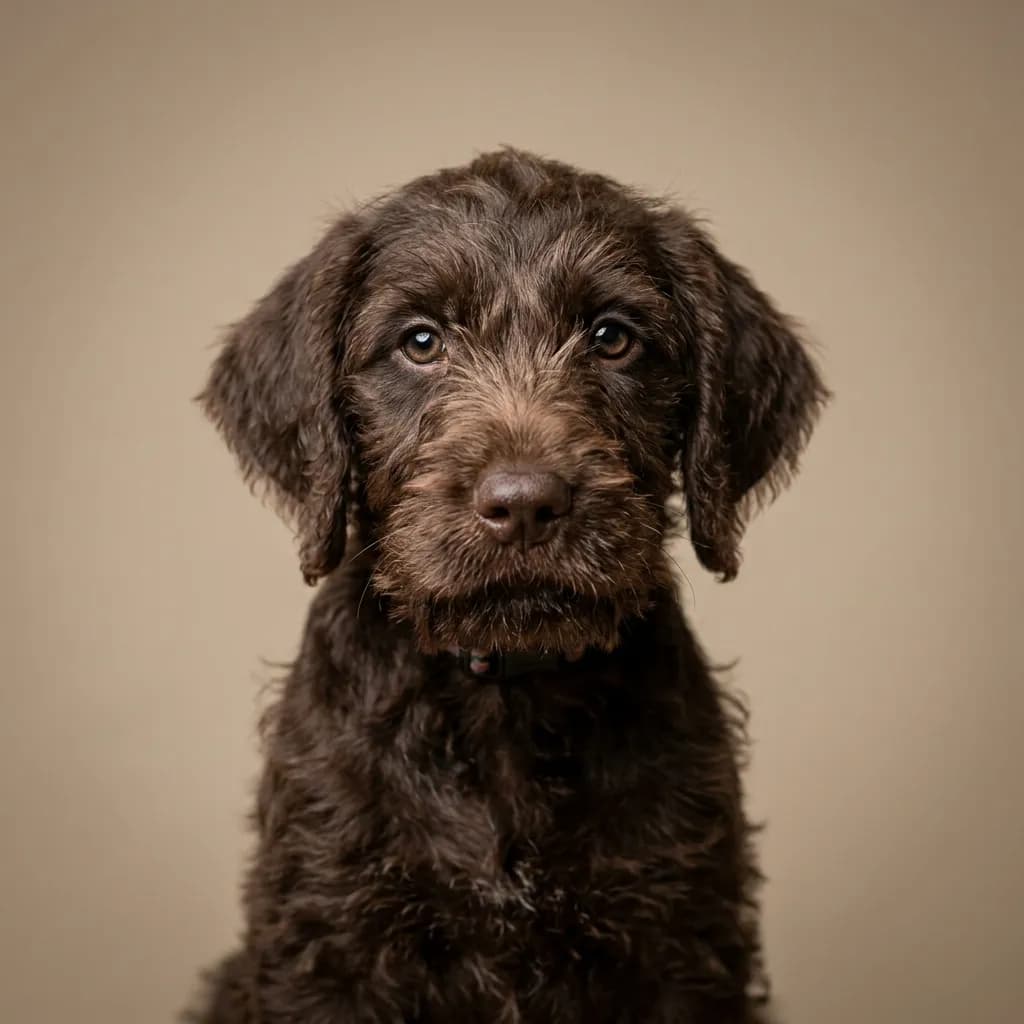
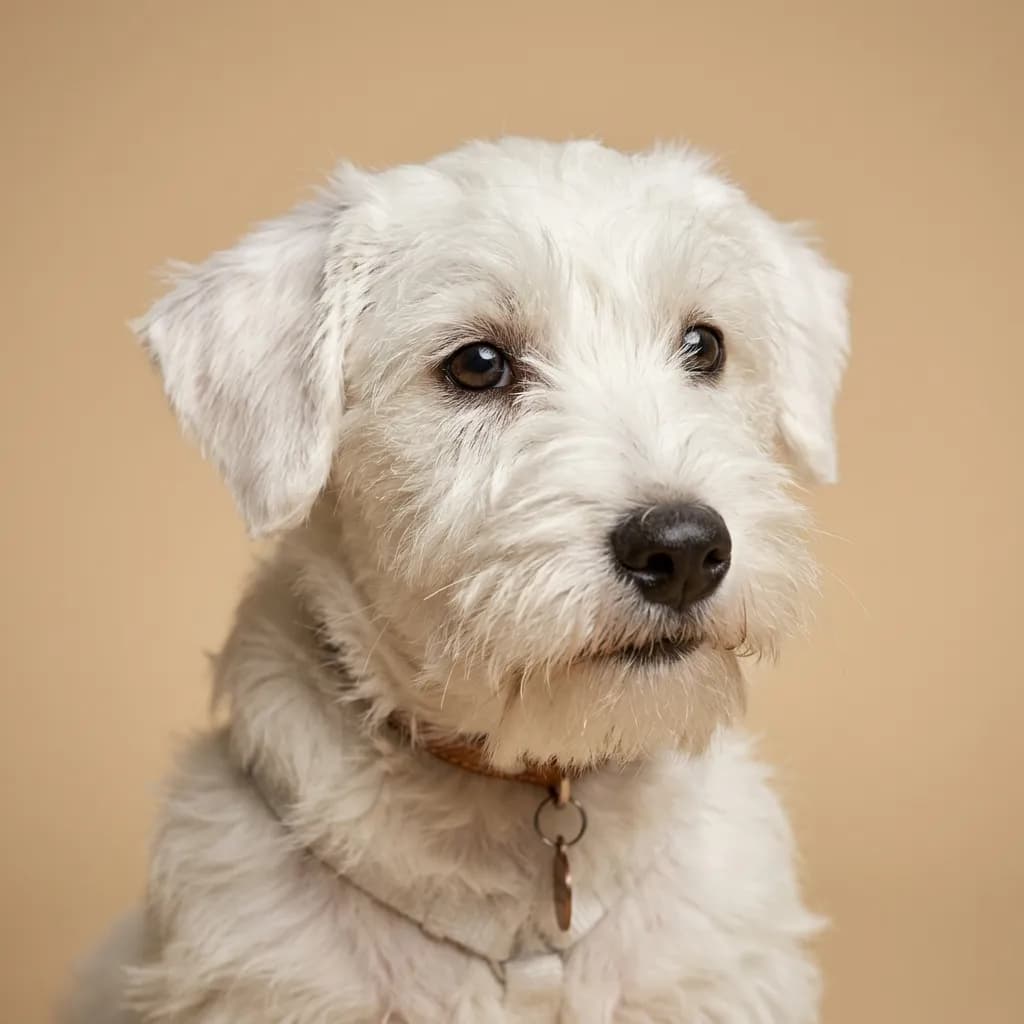
Not sure which breed fits your life?
Answer five questions about your home, your schedule, and your tolerance for shedding. We’ll match you to your top three breeds from over 200.
Pudelpointer vs Sealyham Terrier
You probably won’t see a Pudelpointer and a Sealyham Terrier squared off at the dog park, but people compare them because they’re both rare, both game-bred, and both pack strong personalities in medium-sized packages. That’s where the similarities end. This isn’t really a showdown—more like two different novels with the same cover. The Pudelpointer is the athlete, built for owners who measure weekends in miles hiked and birds retrieved. At 60-some pounds, this German-bred hunting machine lives for cold water, thick cover, and a job to do. It’s smart, eager, and will train all day if you ask. But don’t be fooled by the friendly demeanor—this dog needs space and purpose. Put it in an apartment, and you’ll pay for it in chewed baseboards and restless pacing. The Sealyham, on the other hand, is the sly character in a tweed jacket. Small, sturdy, with a beard that says “I have opinions,” this Welsh terrier was digging after badgers and foxes centuries ago. Today, it’s better suited to a quiet home with a senior who appreciates dry wit and a stubborn streak. It’s affectionate in its terrier way—selective love, not constant cuddles—and it’ll bark at squirrels like it’s personal. If you’re choosing between them, ask not what size dog you want, but what pace of life fits. The Pudelpointer thrives on motion; the Sealyham savors moments. Both need grooming, both have health concerns you must budget for, and both cost well over a grand. Here’s the truth the data won’t tell: the Pudelpointer needs a partner in adventure. The Sealyham just wants a seat by the fire and someone who laughs at its antics. Pick based on your rhythm, not your yard size.
Trait-by-trait
Higher bar = more of that trait. Shedding, barking, drooling, grooming flipped for readability.Where they diverge
Choose the Pudelpointer if…
- hunters
- very active owners
- waterfowl and upland bird hunters
- You value drooling level — Pudelpointer scores noticeably higher.
Choose the Sealyham Terrier if…
- Apartment living
- Seniors
- Those wanting a less active terrier
- You value coat grooming — Sealyham Terrier scores higher here.