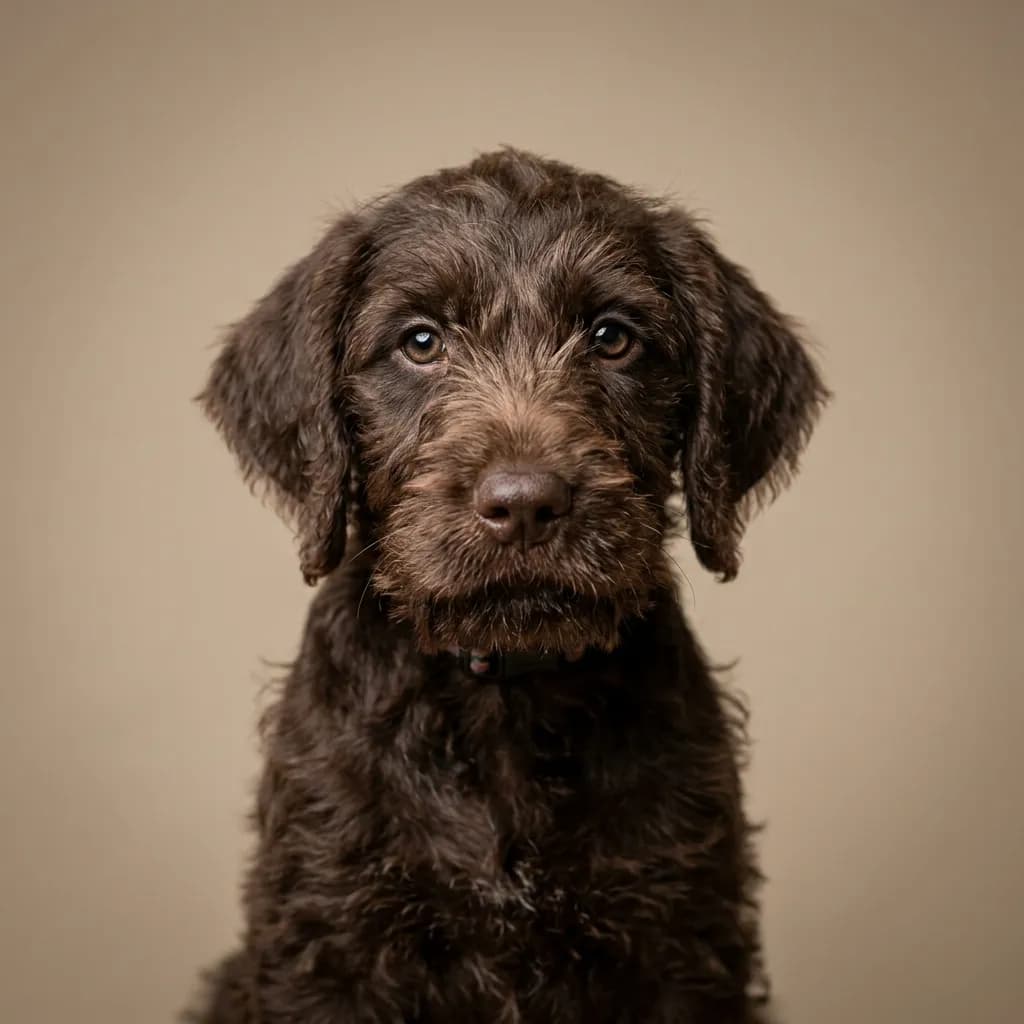
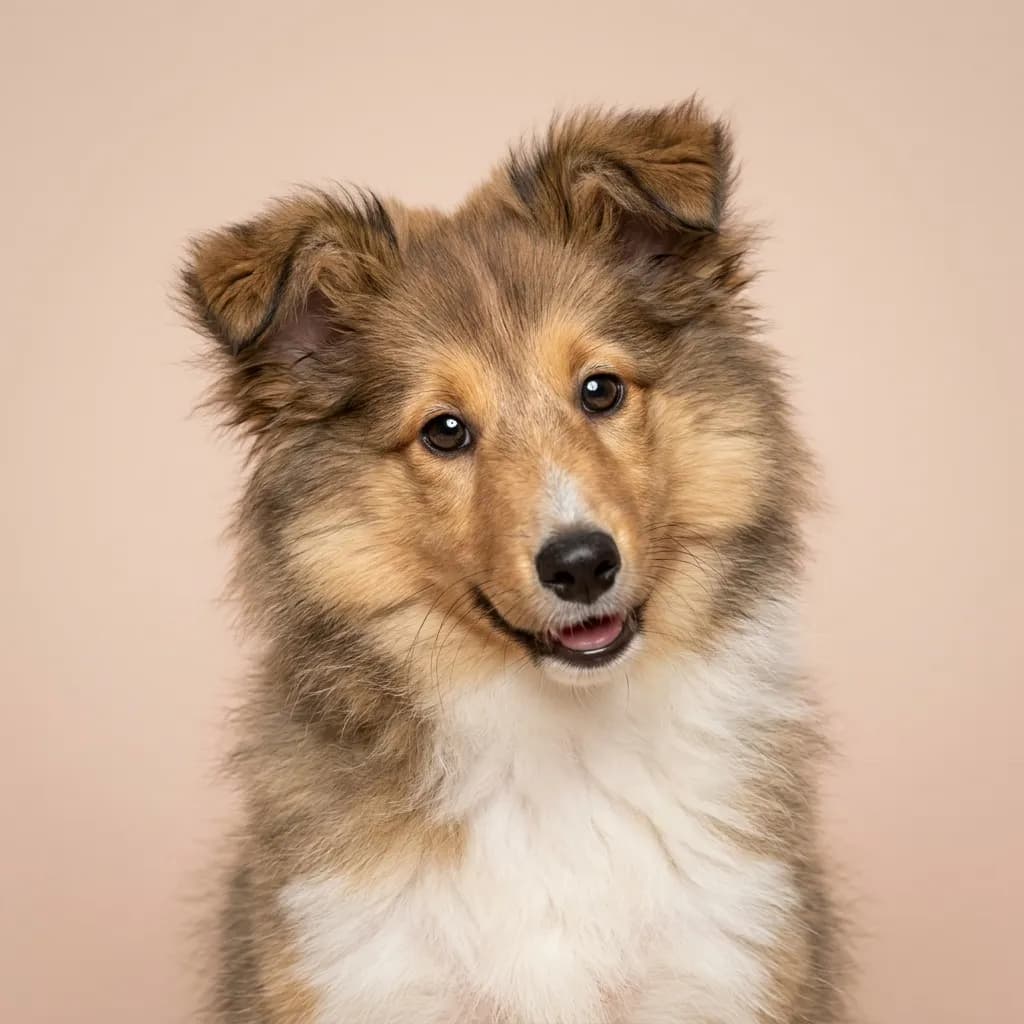
Pudelpointer vs Shetland Sheepdog
Side-by-side comparison across all 14 AKC trait ratings, with a clear verdict on which breed fits which kind of household.
Not sure which breed fits your life?
Answer five questions about your home, your schedule, and your tolerance for shedding. We’ll match you to your top three breeds from over 200.
Pudelpointer vs Shetland Sheepdog
People compare Pudelpointers and Shetland Sheepdogs because both are smart, trainable dogs with big personalities packed into very different bodies. On the surface, they share high energy and a need for mental challenge. But that’s where the similarities end. If you're picturing weekend hikes, duck hunts, or sprawling acres where a dog can run hard and work hard, the Pudelpointer fits like a favorite pair of boots. This German hunting machine lives for action—pointing birds, diving into cold water, tracking game. It's not just about exercise. This dog needs purpose. Without it, that brilliant 5/5 trainability turns into restless problem-solving, like redecorating your garden with its teeth. It’s affectionate and people-oriented, but it bonds best through activity. Kids? They can be fine, but only if the household keeps pace with the dog’s demands. Apartment life? Forget it. Now, step into a quieter yard—maybe suburban—with a family that values closeness, routine, and a dog that acts like a furry child. The Shetland Sheepdog thrives here. Loyal to a fault, it will shadow you from room to room, alerting the neighborhood to every passerby with its sharp 5/5 barking. It’s eager to learn tricks, dominate agility courses, or simply sit in your lap. Grooming is non-negotiable—those flowing coats demand weekly attention. Here’s the truth the data doesn’t shout loud enough: the Pudelpointer isn’t just a dog with a job. It’s a partner. And the Sheltie? It’s a sentinel of the heart. One guards your land and game. The other guards your family’s emotional pulse. Pick based on whose world you live in.
Trait-by-trait
Higher bar = more of that trait. Shedding, barking, drooling, grooming flipped for readability.Where they diverge
Choose the Pudelpointer if…
- hunters
- very active owners
- waterfowl and upland bird hunters
- You value drooling level — Pudelpointer scores noticeably higher.
Choose the Shetland Sheepdog if…
- Families with children
- Active owners
- Dog sports enthusiasts
- You value good with young children — Shetland Sheepdog scores higher here.