Pudelpointer vs Spanish Mastiff
Side-by-side comparison across all 14 AKC trait ratings, with a clear verdict on which breed fits which kind of household.
Not sure which breed fits your life?
Answer five questions about your home, your schedule, and your tolerance for shedding. We’ll match you to your top three breeds from over 200.
Pudelpointer vs Spanish Mastiff
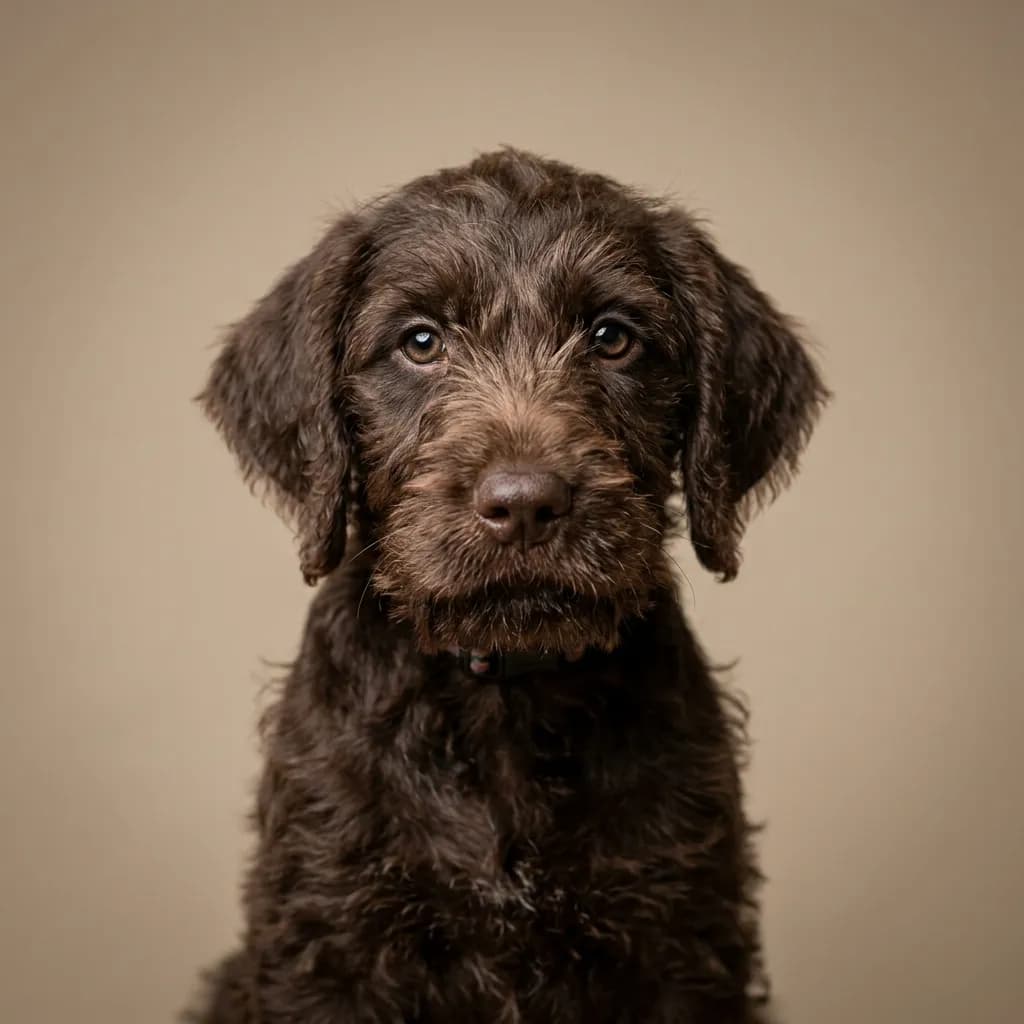
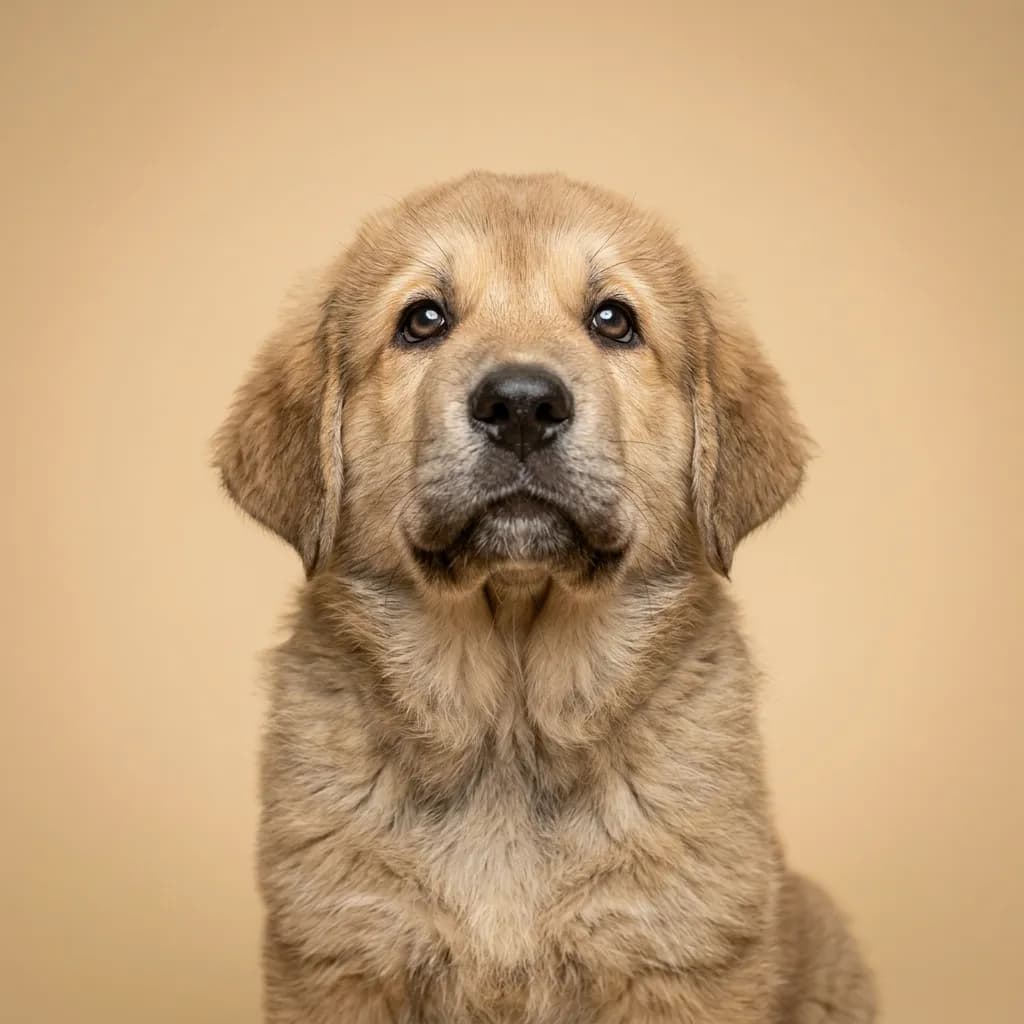
You don’t see a Pudelpointer and a Spanish Mastiff in the same conversation much—unless you’re deep in the weeds of rare breeds and big responsibilities. People compare them because both are Germanic in origin, both are serious dogs in demeanor, and both require commitment. But that’s where the similarities end. One is a finely tuned hunting machine built for stamina and partnership. The other is a living fortress, bred to stand alone against wolves. The Pudelpointer is for the person whose weekends involve mud, water, and a shotgun. At 50 to 70 pounds, they’re agile, eager, and mentally sharp—trainability off the charts. They bond tightly with their person and need a job, preferably one that involves pointing, retrieving, and hours of outdoor exertion. Without that outlet, they’ll find their own—like redecorating your backyard. They’re adaptable to different homes as long as energy is burned, but they won’t thrive in a city condo. The Spanish Mastiff? This isn’t a pet in the traditional sense. At 140 to 200 pounds, they’re massive, calm, and deeply territorial. They were born to guard, not fetch. You’re not taking this dog to the dog park. They’re low-energy but need space—acres, ideally. They’re affectionate with family but aloof with strangers, which makes them exceptional guardians. Training takes patience; they’re intelligent but independent. Here’s the real talk: the Pudelpointer will break your heart if you don’t keep them busy. The Spanish Mastiff will break your budget—and possibly your floor—if you don’t plan for their size and health risks. Pick the Pudelpointer if you want a partner in adventure. Pick the Spanish Mastiff if you’re ready to steward a gentle giant with a primal purpose.
Trait-by-trait
Higher bar = more of that trait. Shedding, barking, drooling, grooming flipped for readability.Where they diverge
Choose the Pudelpointer if…
- hunters
- very active owners
- waterfowl and upland bird hunters
- You value adaptability — Pudelpointer scores noticeably higher.
Choose the Spanish Mastiff if…
- Experienced large-breed owners
- Farm or rural settings
- Livestock guardian needs
- You value drooling level — Spanish Mastiff scores higher here.