Pudelpointer vs Whippet
Side-by-side comparison across all 14 AKC trait ratings, with a clear verdict on which breed fits which kind of household.
Not sure which breed fits your life?
Answer five questions about your home, your schedule, and your tolerance for shedding. We’ll match you to your top three breeds from over 200.
Pudelpointer vs Whippet
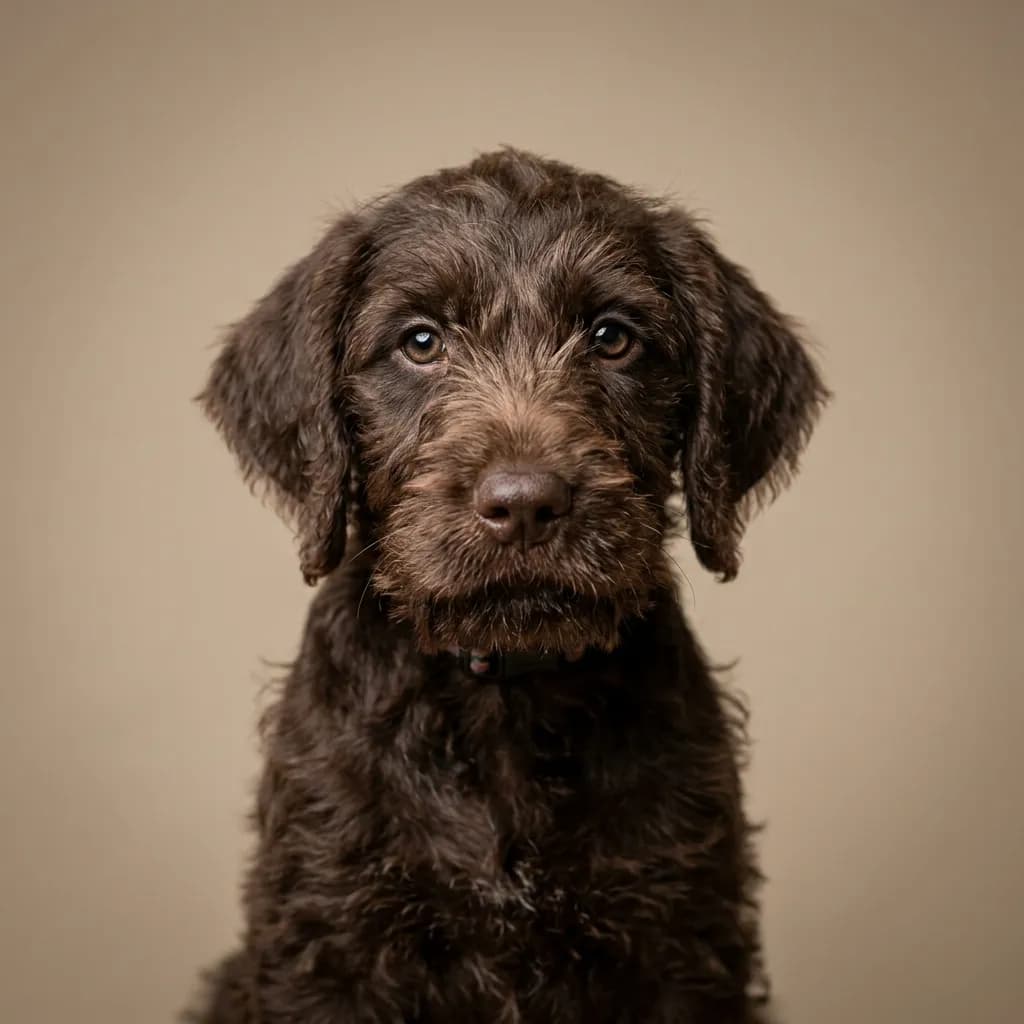
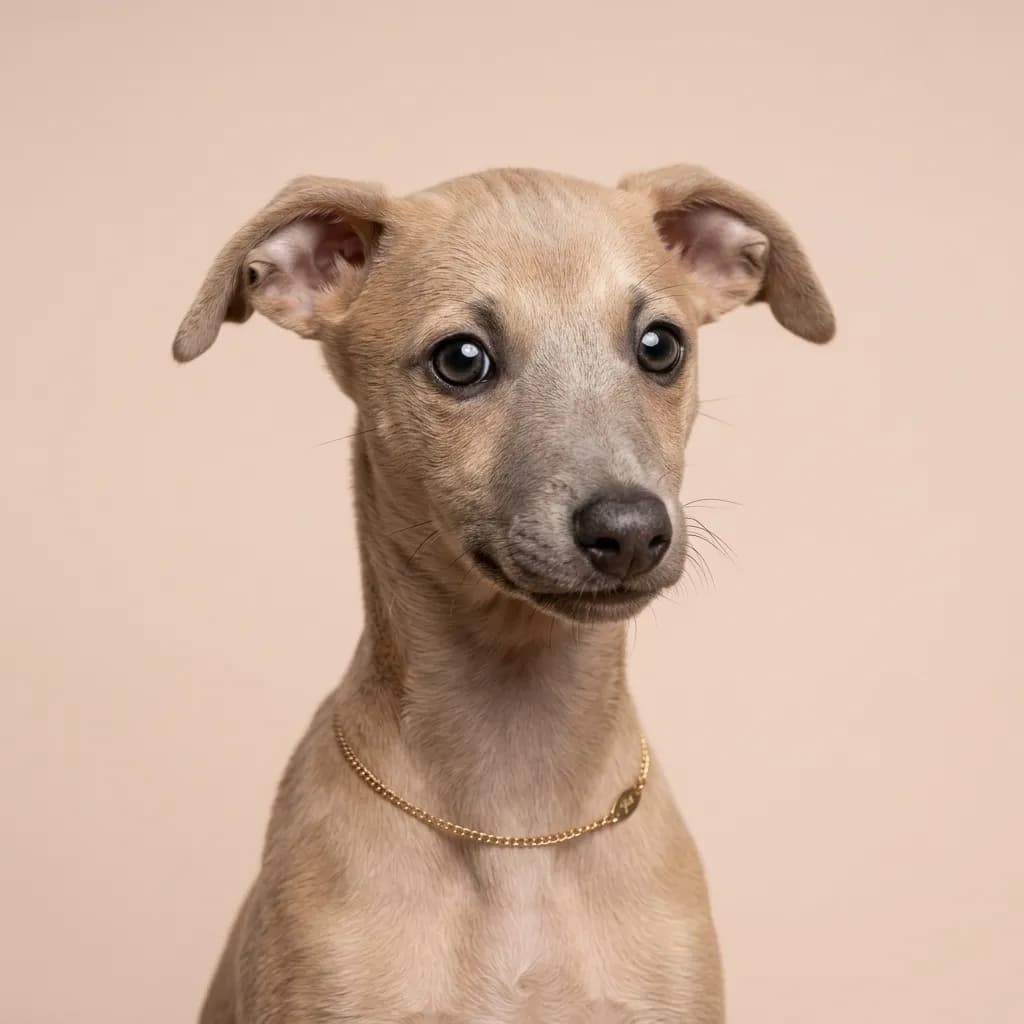
You don’t see Pudelpointers and Whippets compared often, but it makes sense when you think about it. Both are lean, athletic dogs with short coats and a need for movement. People look at them and see speed, efficiency, grace. But that’s where the surface-level similarity ends. The Pudelpointer is a full-throttle hunting partner built for people who live outdoors. Think upland bird season, duck blinds, miles of tracking through brush. They’re smart in a working way—like a mechanic who can fix any engine, not just recite the manual. They bond tightly with active owners and thrive on complex tasks. Without a job, they’ll find one, like reorganizing your sock drawer at 3 a.m. They’re not loud dogs, but they’ll bark when it matters. And yes, they shed a bit—more than a Whippet, less than a Golden. The Whippet is the quiet philosopher of the dog world. They sprint like lightning in the yard, then curl up on the couch like they’ve always been there. They’re deeply affectionate, quiet to the point of whispering, and generally good with kids. But they’re not workers in the field—they’re sprinters with a soft spot for comfort. And they can’t handle cold or prolonged outdoor exposure; their thin coat and low body fat mean they’re built for bursts, not endurance. Here’s the real difference: the Pudelpointer needs a mission. The Whippet needs a lap. Choose the Pudelpointer if you hunt, hike, or want a dog that learns fast and works harder. Choose the Whippet if you want a gentle, low-maintenance companion who happens to be lightning on legs. And one truth the breed standards won’t tell you: Whippets may look delicate, but they’ve got heart. Pudelpointers look rugged, but they’ll break if ignored. Both need love—just in very different dialects.
Trait-by-trait
Higher bar = more of that trait. Shedding, barking, drooling, grooming flipped for readability.Where they diverge
Choose the Pudelpointer if…
- hunters
- very active owners
- waterfowl and upland bird hunters
- You value drooling level — Pudelpointer scores noticeably higher.
Choose the Whippet if…
- Apartment living (if exercised)
- Families with older children
- Runners and joggers
- You value good with young children — Whippet scores higher here.